

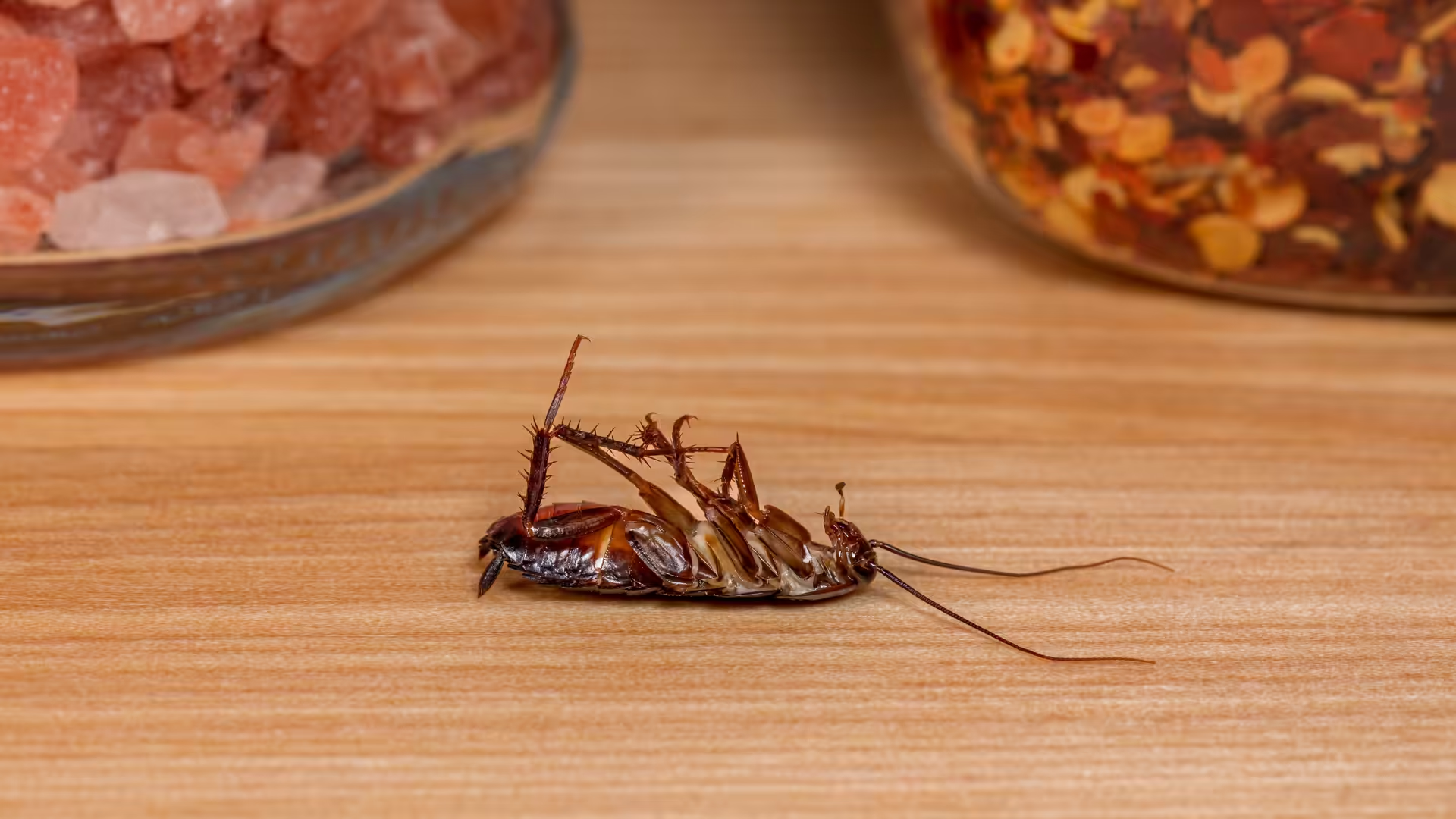
Cockroaches in Washington don’t get the attention they do in warmer states, but that doesn’t mean they’re rare. Washington’s climate creates conditions that work in cockroaches’ favor year-round, and homeowners across the Puget Sound region deal with roach problems more often than most expect.
If you’ve spotted one in your kitchen or bathroom, it’s worth understanding why they’re there and what it takes to get rid of them.
Why Washington’s Climate Attracts Cockroaches
The Pacific Northwest isn’t the first place people picture when they think about roaches, and that assumption leaves many Washington homeowners unprepared. Our climate is cool, damp, and mild through most of the year, and it suits several cockroach species well. Roaches don’t need heat. They need moisture and stable temperatures, and Washington delivers both.
Warm, humid summers accelerate cockroach activity and breeding. Our mild winters mean populations don’t get hit with the hard freezes that suppress roach numbers in colder climates. A colony that gets established in your walls or crawl space in spring can grow steadily through the year without a seasonal reset.
The Roach Species Washington’s Climate Favors
-
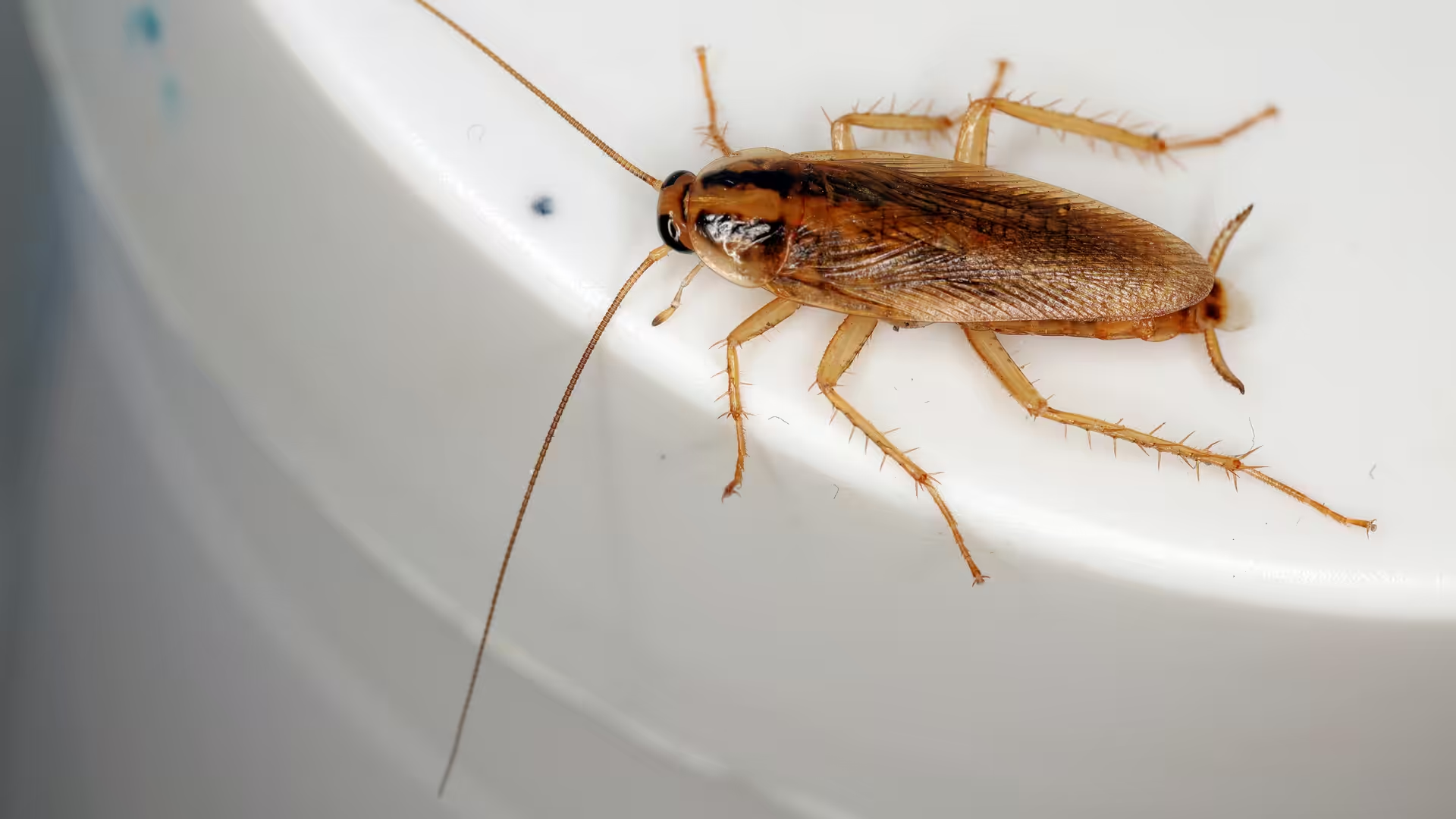
- German cockroach
-
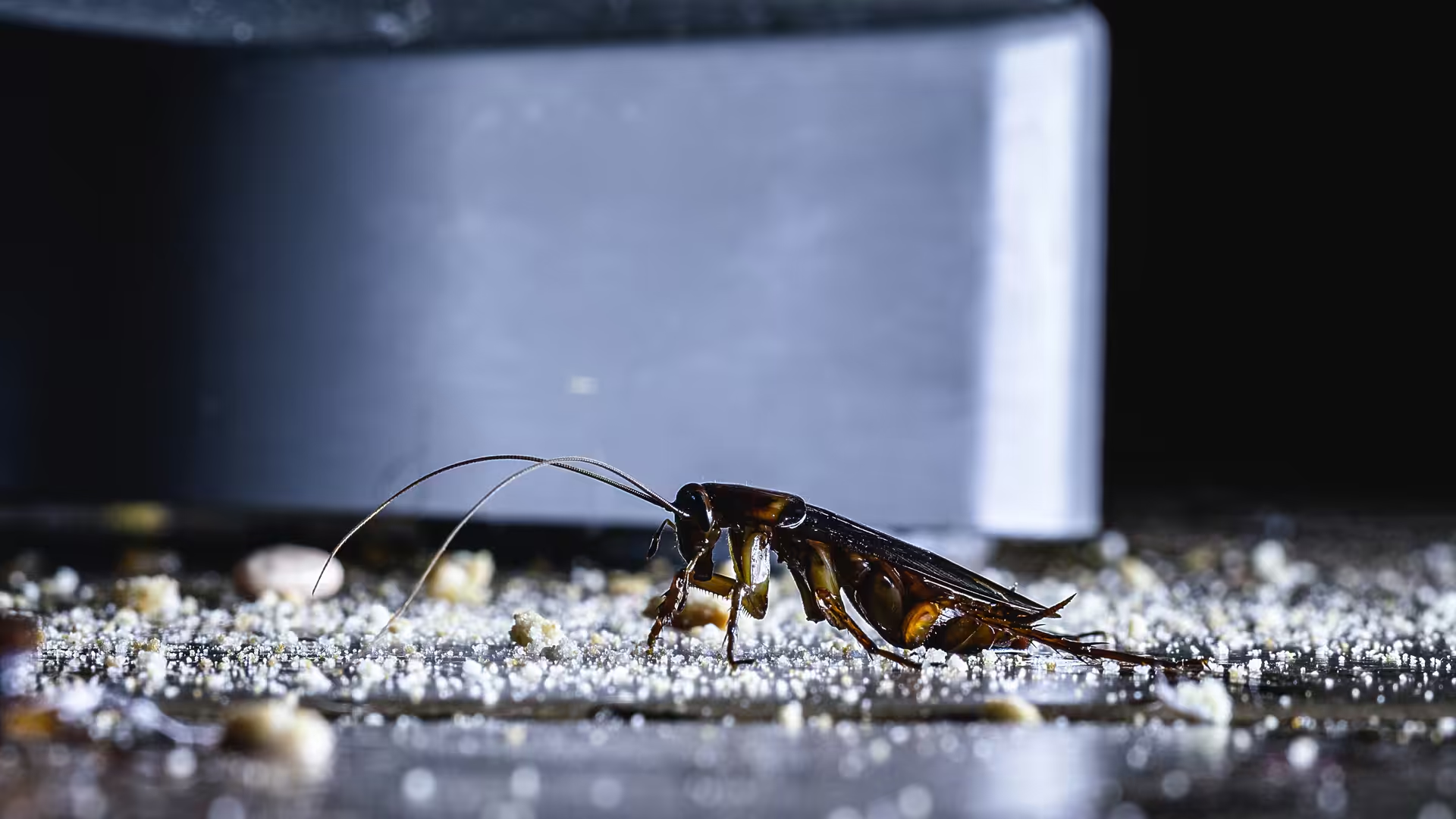
- Oriental cockroach
Fast reproduction is what makes German cockroaches so difficult to control once they’re inside. A single female can produce hundreds of offspring in her lifetime.
They’re resistant to many over-the-counter treatments, and they target kitchens and bathrooms specifically because both rooms put warmth and moisture within a few feet of each other. They’re the species we find in Washington homes more than any other.
Oriental cockroaches are less common. They tend to stay in crawl spaces and basements where standing moisture collects, and they move more slowly than German cockroaches. Finding them often points to a structural moisture problem that goes well beyond the pest itself.
How Cockroaches Get Into PNW Homes
A gap the width of a credit card is enough for an adult German cockroach to squeeze through. Juveniles need even less. Washington’s older housing stock tends to have more of these entry points simply from age and settling. Homes in Tacoma, Seattle, and surrounding cities built before the 1980s are particularly vulnerable.
The most common route in is gaps around plumbing penetrations where pipes enter walls or cabinets. From there, deteriorated door seals are next, followed by openings where utility lines meet the foundation. Roaches also travel in through cardboard boxes and secondhand appliances.
A used refrigerator picked up from a neighbor can carry egg cases that aren’t visible on inspection. Our cockroach identification guide covers the signs to look for by species if you’re trying to confirm what you’re dealing with.
How to Identify a German Cockroach Infestation
At about half an inch as adults, German cockroaches are small enough to hide almost anywhere. Tan to light brown with two dark stripes behind the head, they scatter when the lights come on. Seeing one during the day is a reliable sign that the population has grown large enough that competition for harborage is pushing individuals into the open.
Other signs worth checking for:
- Small dark droppings near appliances or in cabinet corners, similar to ground pepper
- A musty, oily odor in the kitchen that no food source can explain
- Tucked into cracks near heat sources, egg cases are easy to miss until the population is already established
- Smear marks low on walls where moisture regularly collects, particularly around sinks and under cabinets
Why DIY Cockroach Control Falls Short in Washington
Hardware store sprays and foggers aren’t useless, but they consistently underperform against established German cockroach infestations here.
Part of the problem is resistance. Washington populations have been exposed to the same active ingredients for decades, and resistant strains are widespread. Products that worked reliably ten years ago are significantly less effective on current populations.
Here’s the reach problem. German cockroaches spend most of their time deep inside wall voids and behind appliances. A fogger fills the air in a room, but doesn’t get there. Knock down the foragers you can see, and the rest move deeper into the structure, which makes the infestation harder to track and treat on the next attempt.
It’s a common cycle with DIY treatment, and it’s one of the reasons problems tend to drag on for months before homeowners call us.
What a Professional Treatment Actually Covers
Where the population actually lives is where we put the product. Gel baits go directly into the voids and junctions where cockroaches spend most of their time, not on open surfaces.
Residual treatments are applied to wall penetrations and structural gaps. And we follow up. A single visit rarely eliminates a mature German cockroach infestation, and the second visit is often where the real progress happens.
We also look at what’s bringing roaches in. If there’s a moisture issue in the crawl space or a structural gap serving as a regular entry point, treating the interior without addressing those conditions is a short-term fix. Our cockroach management service covers both, and if moisture is part of the picture, we can connect you with our crawl space cleaning services as well.
Get Rid of Cockroaches in Your WA Home
German cockroaches can move from a manageable problem to a full infestation faster than most homeowners expect, and Washington’s mild winters mean there’s no cold season to slow them down. If you’re seeing them in your home, call us at 253-538-2576 for an inspection and same-day service throughout the region.
We serve homeowners across: