

You spot a spider in your home and freeze. Is it dangerous? Should you worry? Most spiders in Western Washington are harmless, but a few species pose genuine health risks. Accurate identification determines whether you need professional intervention or simple removal.
Sentinel Pest Control helps homeowners identify spiders, understand real risks, and eliminate dangerous species from their properties.
Common House Spiders: Identification Guide
Spider identification requires observing size, color patterns, web type, and behavior. These characteristics reveal species identity more reliably than vague descriptions. Taking photos helps professionals confirm what kind of spider you've encountered when visual identification proves difficult.
Most indoor spiders measure less than an inch and build webs in corners, basements, or other undisturbed areas. They avoid human contact and only bite when threatened or accidentally trapped against skin. Understanding common species reduces unnecessary fear while helping you recognize the few that demand caution.
- Body shape and size: Note overall length including legs, body proportions, and whether the spider appears robust or slender
- Color and markings: Observe primary colors, distinctive patterns, stripes, or spots that distinguish species
- Web characteristics: Identify web type—messy cobwebs, organized orb webs, funnel webs, or no web at all
- Location and behavior: Consider where you found the spider, time of day, and whether it was stationary or actively hunting
These identification factors narrow possibilities quickly. A large brown spider with no web hunting at night suggests a wolf spider. A small spider with long thin legs in a messy basement web indicates a cellar spider. Distinctive red markings on a black spider's abdomen signal a widow species requiring immediate attention.
Professional identification becomes crucial when you suspect dangerous species or experience persistent spider problems. Our team recognizes subtle differences between harmless look-alikes and genuinely threatening spiders. We also assess whether spider populations indicate other pest problems attracting them to your home.
Non-Toxic Spiders
Most spiders in Western Washington homes pose no real danger. While any spider can bite defensively, non-toxic species produce only minor, localized reactions similar to mosquito bites. These beneficial predators actually help control other pest populations in and around your home.
Wolf Spider
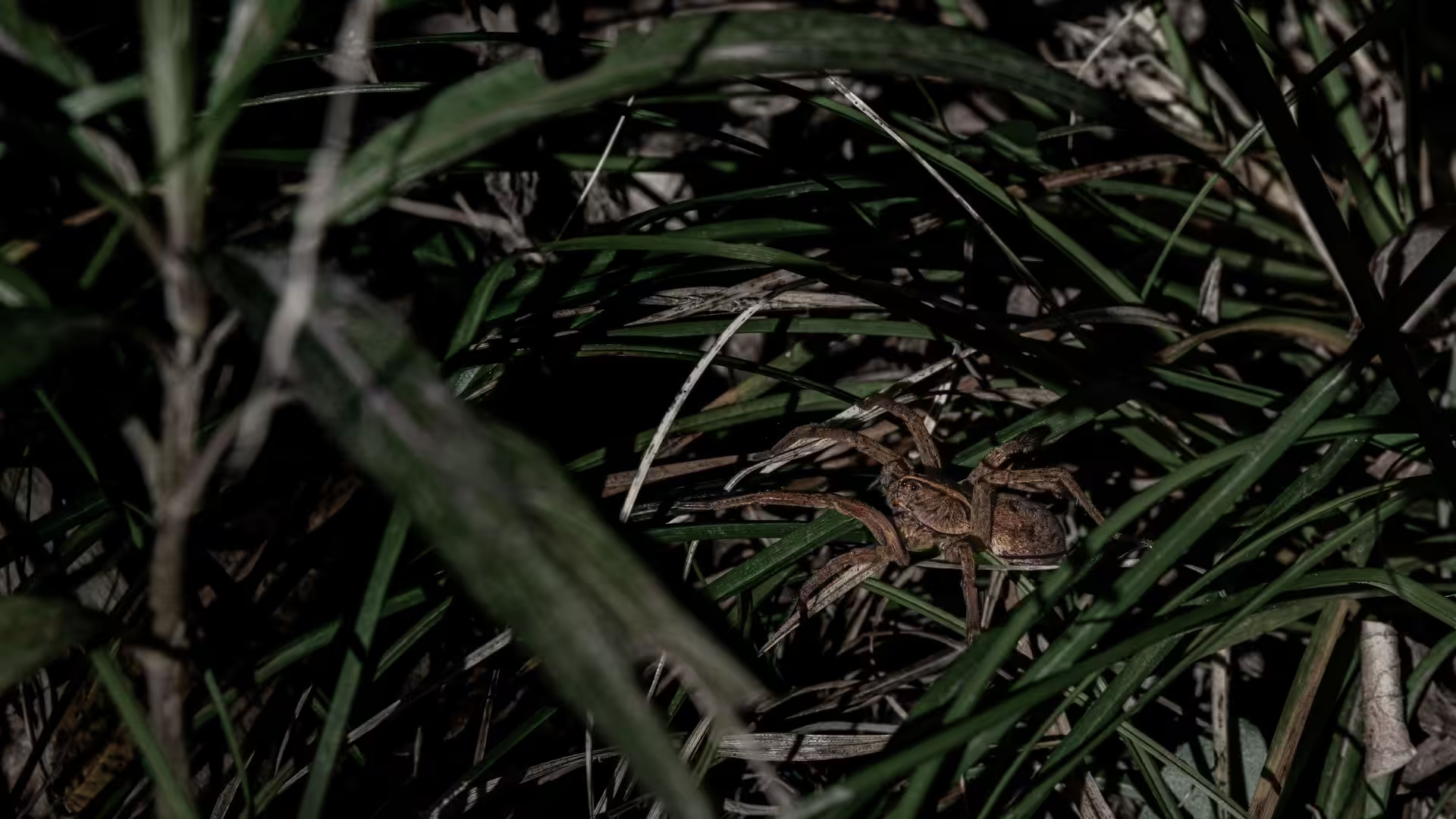
Wolf spiders alarm homeowners due to their size and speed, but they're completely harmless. These hunters don't build webs—they actively chase down prey across floors and walls, which explains why you might spot them running across open spaces.
Adult wolf spiders reach up to one inch in body length with robust, hairy legs. Their coloring ranges from brown to gray with distinctive striped patterns on their bodies. Large eyes arranged in three rows give them excellent vision for hunting.
Female wolf spiders carry egg sacs attached to their spinnerets, then transport newly hatched spiderlings on their backs. If you see a spider covered with dozens of tiny spiders, you've found a wolf spider mother—harmless despite the alarming appearance.
These spiders prefer ground-level habitats including basements, garages, and crawl spaces. They enter homes through gaps under doors and foundation cracks while hunting insects. Wolf spiders rarely bite humans, and their venom causes only mild, temporary discomfort if they do.
Cellar Spider
Cellar spiders—often called "daddy longlegs"—build messy cobwebs in dark, undisturbed areas. Their extremely long, thin legs and small bodies make them instantly recognizable. These fragile-looking spiders are among the most harmless species you'll encounter.
Their bodies measure just 1/4 inch, but leg span can reach two inches. Light brown or tan coloring helps them blend into corners and ceiling junctions where they establish webs. When disturbed, cellar spiders vibrate rapidly in their webs to confuse predators.
Despite urban myths claiming they possess potent venom but lack fangs to deliver it, cellar spiders are harmless. They can bite, but their tiny fangs rarely penetrate skin, and their venom produces no significant reaction in humans.
Basements, crawl spaces, closets, and garages provide ideal habitats. High humidity and abundant prey insects attract them. Large cellar spider populations actually indicate other pest problems providing their food source.
Toxic Spiders
Only two spider species in Western Washington pose legitimate health concerns. Both are relatively uncommon indoors but require immediate attention when found. Their venom can cause serious reactions requiring medical treatment, especially in children, elderly individuals, or people with compromised immune systems.
Western Black Widow
Black widow spiders are the most dangerous species in our region. Females deliver neurotoxic venom that causes severe symptoms including muscle pain, cramps, nausea, and difficulty breathing. Medical attention is essential after any suspected widow bite.
Female black widows have distinctive shiny black bodies with red hourglass markings on their undersides. They measure up to 1.5 inches including legs. Males are much smaller, brown, and harmless—only females produce dangerous venom.
These spiders build irregular, three-dimensional cobwebs in dark, protected locations. Outdoor habitats include woodpiles, sheds, meter boxes, and yard debris. Indoors, they hide in basements, crawl spaces, and storage areas.
Black widows are not aggressive. Black widow bites typically occur when humans accidentally contact spiders in gloves, shoes, or stored items. The spiders bite only when pressed against skin or defending egg sacs.
Yellow Sac Spider
Yellow sac spiders account for most indoor spider bites in North America. While less dangerous than black widows, their cytotoxic venom causes painful bites that develop into slow-healing lesions. These spiders are more aggressive than other common species.
They measure 1/4 to 3/8 inch with pale yellow to beige coloring. Their legs appear slightly darker than their bodies. Unlike most spiders, they build silken retreat sacs in ceiling corners and wall junctions rather than traditional webs.
Nocturnal hunting behavior brings yellow sac spiders into contact with sleeping humans. They wander across beds and furniture at night, biting when trapped against skin by movement. Bites initially resemble bee stings, then develop redness, swelling, and sometimes necrotic tissue.
These spiders commonly enter homes during fall seeking warmth. They hide in wall voids, behind picture frames, and inside folded fabrics during daylight. Finding white silken sacs in room corners indicates active yellow sac spider populations.
When to Call Sentinel Pest Control
Professional spider control makes sense when you identify dangerous species or face persistent infestations. Any black widow discovery on your property warrants immediate professional treatment. These spiders reproduce quickly, and DIY elimination risks dangerous bites.
Recurring spider problems despite cleaning and sealing efforts indicate underlying pest issues. Spiders congregate where prey insects are abundant. Our pest control specialists identify what's attracting spiders and eliminate both the spiders and their food sources.
Large wolf spider populations or dozens of cellar spider webs suggest pest pressure requiring comprehensive treatment. While individually harmless, heavy spider activity indicates conditions supporting extensive arthropod populations.
Sentinel's service programs address spiders alongside other common household pests:
- SafeHome™ Program: Regular treatments control spiders, ants, rodents, cockroaches, and other common pests through scheduled inspections
- SafeHome Plus™ Program: Comprehensive coverage including all SafeHome™ pests plus specialized treatment for difficult species
- CustomCare™ Program: Tailored solutions for unique situations requiring intensive spider elimination or structural modifications
Don't risk dangerous spider bites or live with persistent spider invasions. Contact Sentinel Pest Control today for accurate spider identification and effective treatment. Our Western Washington team responds quickly to protect your home and family from the few spider species that pose genuine threats.