

Medical Disclaimer: This content is for informational purposes only and does not replace professional medical advice. If you believe you have been bitten by a black widow spider, seek immediate medical attention.
While most spiders you encounter around your Washington home are harmless, the black widow spider is one of the few species whose venom can cause serious symptoms in humans. The good news is that black widow bites are uncommon. These spiders are naturally shy and bite only when they feel threatened or cornered. However, when bites do occur, they deserve prompt attention due to potential complications.
In this guide, you’ll learn how to identify black widow spiders in Washington, recognize the symptoms of a bite, respond effectively if someone is bitten, and take practical steps to keep these spiders away from your home with help from Sentinel Pest Control.
What the Bite Looks Like and Symptoms
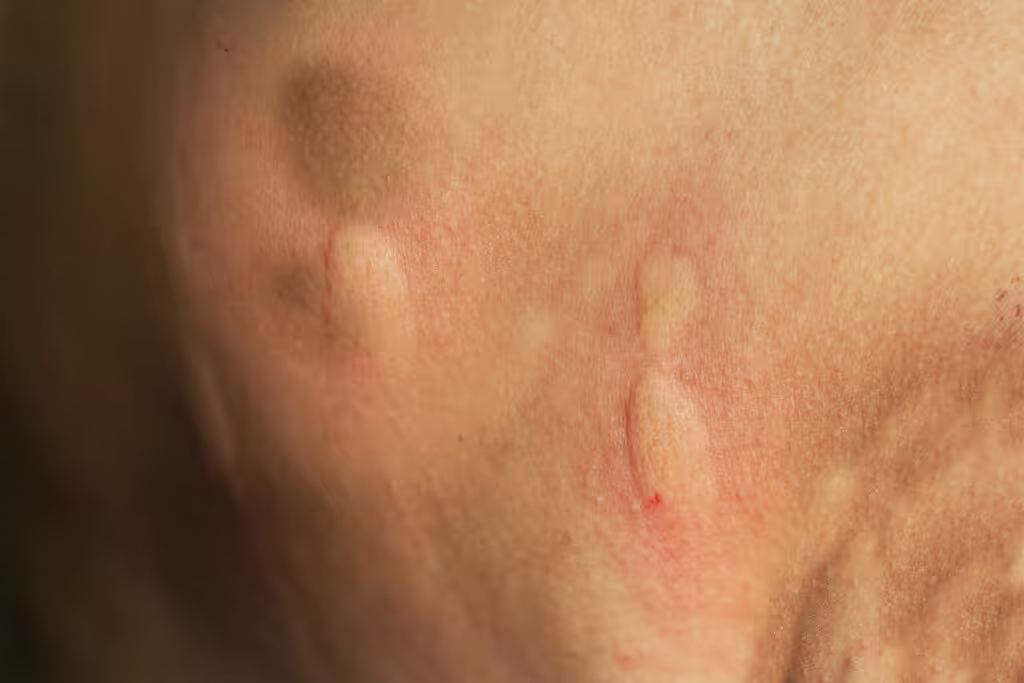
Black widow bites often feel like a sharp sting or pin-prick at first. The initial bite site may show mild redness or slight swelling, and you might notice two small puncture marks where the spider’s fangs penetrated the skin. In some cases, people don’t realize they’ve been bitten until symptoms begin to develop.
Within minutes to hours, the venom can cause more concerning symptoms:
- Pain that spreads from the bite site to surrounding muscles
- Muscle cramps and spasms, often concentrated in the abdomen, chest, or back
- Nausea and sometimes vomiting
- Excessive sweating, especially around the bite area
- Fatigue and general weakness
More severe reactions may include:
- Persistent headache
- Droopy or swollen eyelids
- Elevated blood pressure
- Difficulty breathing or chest tightness
- Restlessness or anxiety
Immediate Response and First Aid
If someone has been bitten, here are the recommended first steps:
What to do:
- Stay calm and move away from the area to prevent additional bites
- Wash the bite site gently with soap and water to reduce the risk of infection
- Apply an ice pack wrapped in a thin cloth or towel to the affected area for 10 minutes at a time. This helps reduce pain and slow the spread of venom
- Elevate the affected limb if the bite is on an arm or leg, keeping it at or above heart level if comfortable
- Remove tight clothing or jewelry near the bite site before swelling occurs
What NOT to do:
- Don’t cut into the wound or attempt to suck out venom
- Don’t apply a tourniquet or constrict blood flow
- Don’t apply heat to the bite area
- Don’t give the person food or drink if they’re experiencing severe symptoms
When to seek emergency care immediately:
- Pain that intensifies or spreads rapidly
- Muscle cramps, especially in the abdomen or chest
- Trouble breathing or tightness in the chest
- Severe nausea, vomiting, or sweating
- Symptoms in young children, pregnant women, or older adults
- Any signs of an allergic reaction
If possible, safely capture the spider or take a clear photo of it. Bringing the spider (dead or alive, in a sealed container) or a photo to the hospital helps medical professionals confirm the species and determine the best treatment approach.
Finally, remember that preventing future encounters is just as important as treating the bite. Professional pest control services from Sentinel can inspect your Washington property, eliminate current spider populations, and put preventive measures in place to reduce the risk of repeat incidents.
Medical Treatment and Recovery
When you arrive at a medical facility with a suspected black widow bite, healthcare providers will assess your symptoms and determine the appropriate level of care. Treatment typically focuses on managing pain and muscle spasms while the venom naturally breaks down in your system.
Common medical interventions include:
- Pain relief medication to ease discomfort at the bite site and throughout affected muscles
- Muscle relaxants to control cramping and spasms
- Intravenous fluids to maintain hydration and help flush the venom
- Blood pressure monitoring and medication if needed to control cardiovascular symptoms
- Antivenom (antivenin) in rare, severe cases, particularly for children, older adults, pregnant women, or people with serious reactions. Antivenom can dramatically reduce symptoms but is reserved for cases where the benefits outweigh potential side effects
Hospitalization may be necessary for vulnerable individuals or when symptoms become severe. This allows medical staff to monitor breathing, heart function, and overall condition until the worst effects pass. Children and older adults are more likely to require hospital observation due to their increased risk of complications.
The encouraging news is that most people recover fully within 24 to 48 hours with appropriate medical care. Serious long-term complications are rare, and fatalities from black widow bites are extremely uncommon in modern times thanks to improved medical treatment and the availability of antivenom when needed.
Timely medical attention is key. Getting professional care quickly not only ensures a smoother recovery but also provides peace of mind that any complications will be caught and treated early. After recovery, many people feel motivated to take the next important step: preventing future spider encounters around their Washington homes.
Eschar Formation After a Bite
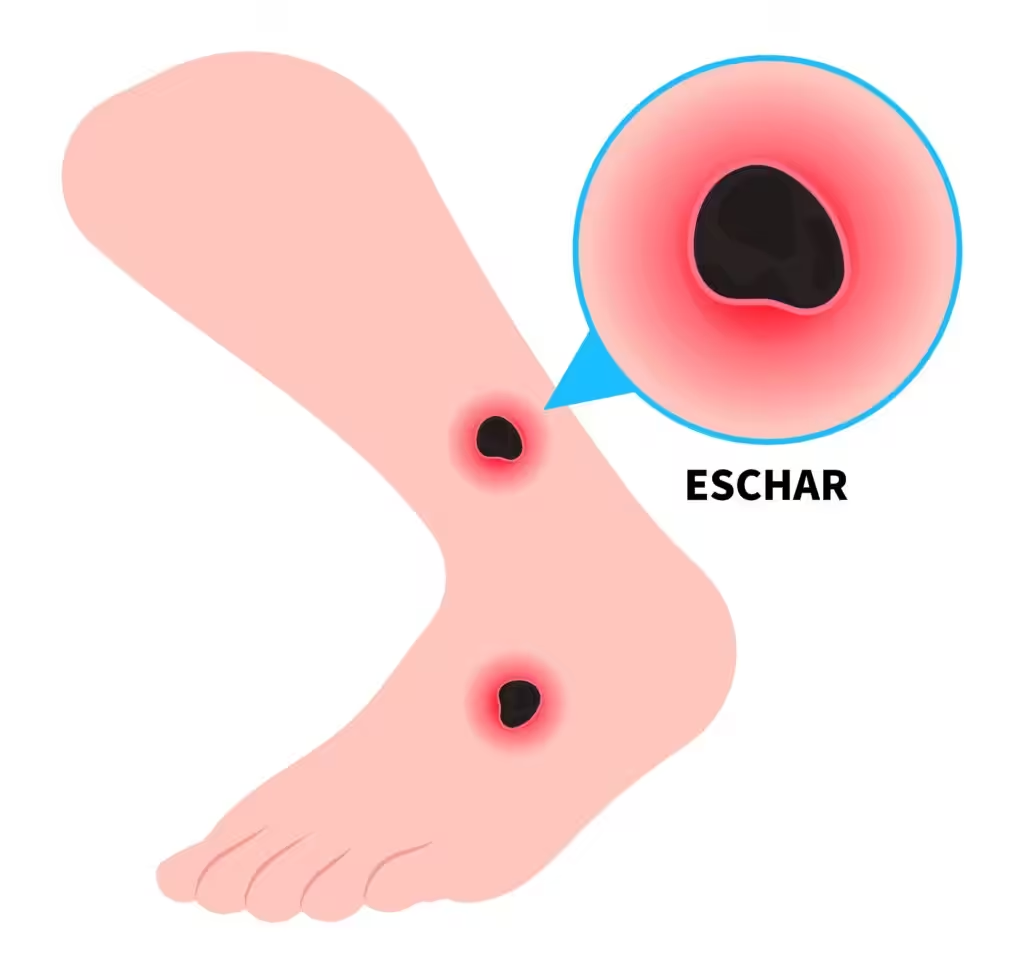
In rare cases, a black widow bite may lead to an eschar—a dark, dry scab that forms when damaged skin tissue dies and begins to heal. Eschars are usually black or brown and may look thick or crusted. They signal that the tissue beneath is regenerating. While this is more common in other types of necrotic wounds, it can occur after a spider bite if the area becomes infected or the tissue is severely irritated. Do not pick at or remove the eschar, as this can delay healing or cause infection. A doctor should evaluate the wound to ensure it’s healing properly and to rule out complications.
Identifying the Black Widow Spider in Washington
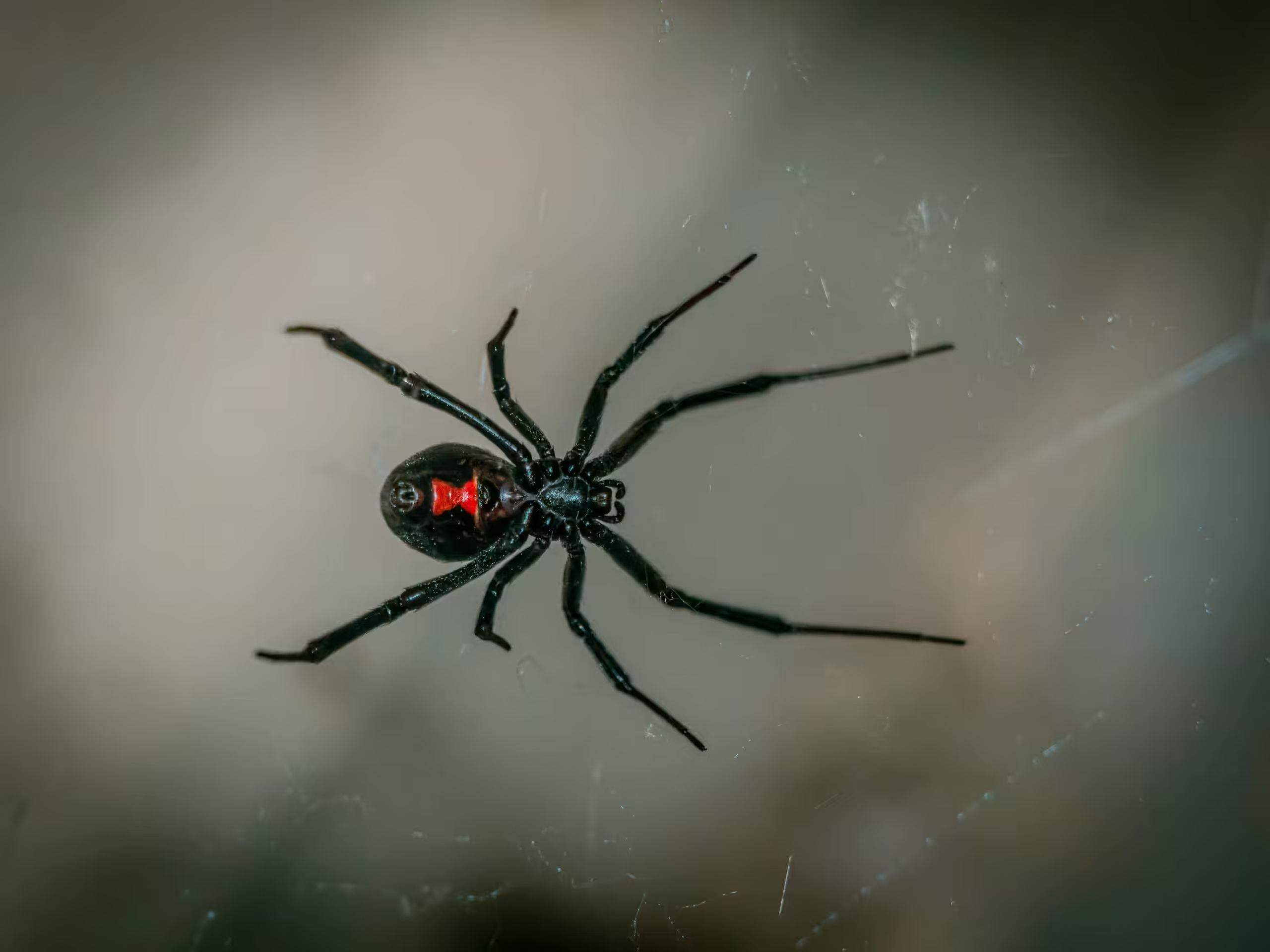
Recognizing a black widow spider is your first line of defense. Female black widows have a distinctive appearance: a glossy, jet-black body with a bright red hourglass-shaped marking on the underside of their abdomen. These spiders are relatively small, measuring between ¼ and 1⅜ inches in body length (about the size of a quarter when their legs are extended).
Black widows in Washington State are most commonly found in the warmer, drier eastern regions (including areas around Spokane, the Tri-Cities, and Yakima), though they can also be present in western Washington, particularly during warmer months. They thrive in our state’s varied climate, seeking shelter during cooler periods and becoming more active in spring and summer.
Around your Washington home, you’re most likely to find them in:
- Garages and storage sheds
- Basements and crawl spaces
- Woodpiles and stacked lumber (especially common given Washington’s wood-burning culture)
- Outdoor furniture, especially pieces that haven’t been moved in a while
- Under eaves, deck railings, and porch steps
- Inside shoes, gloves, or boxes left in storage
- Around barbecue grills and outdoor equipment
- Near compost bins and yard debris piles
Despite their fearsome reputation, black widows are actually shy creatures. They don’t hunt humans and will retreat when given the chance. Bites typically happen only when the spider feels trapped against your skin, such as when you slip your hand into a glove where one is hiding or move a box where the spider has built a web.
Understanding where black widows live and how they behave helps you stay alert in the right situations and take sensible precautions when working in spider-friendly areas around your Washington property.
Preventing Black Widow Bites in Washington
The best way to handle black widow spiders is to avoid encountering them in the first place. With some straightforward prevention strategies tailored to Washington’s climate and lifestyle, you can significantly reduce the likelihood of these spiders taking up residence near your home.
Reduce clutter and hiding spots:
- Keep garages, sheds, and basements organized and clutter-free. Black widows thrive in undisturbed piles of boxes, old newspapers, and unused items
- Store firewood at least 20 feet from your home and keep it elevated off the ground on a rack. This is especially important in Washington, where many homes use wood stoves or fireplaces during our rainy, cool seasons
- Move outdoor equipment, flower pots, and decorative items away from the foundation of your house
- Pay special attention to areas where you store camping gear, fishing equipment, or outdoor recreational items
Practice caution in spider-prone areas:
- Shake out shoes, gloves, gardening gear, and clothing before putting them on, especially if they’ve been stored in a garage or shed
- Wear gloves and long sleeves when cleaning storage areas, moving firewood, or working in spaces where spiders might hide
- Use a flashlight to inspect dark corners and crevices before reaching into them
- Be extra vigilant during spring and summer when black widows are most active in Washington
Seal entry points:
- Inspect your home’s exterior for cracks and gaps around windows, doors, and the foundation
- Use caulk or weatherstripping to seal openings where spiders and other pests might enter
- Repair torn window screens and install door sweeps to close gaps at the bottom of exterior doors
- Check utility entry points (where pipes, wires, and cables enter your home) and seal any spaces around them
- Pay attention to vents and attic access points, which are common entry routes in Washington homes
Maintain your outdoor spaces:
- Trim vegetation away from the exterior walls of your home, including the blackberry bushes and native plants common in Washington landscapes
- Remove leaf litter, grass clippings, and debris from around the foundation
- Keep outdoor storage areas tidy and inspect them regularly
- Clear away yard debris promptly, especially after Washington’s fall leaf drop
- Maintain clear zones around decks, patios, and porches
Washington-specific considerations:
- During our wet winter months, spiders may seek shelter indoors more frequently—inspect crawl spaces and basements regularly
- Eastern Washington residents should be particularly vigilant due to the higher black widow population in drier climates
- Check around outdoor faucets, sprinkler systems, and irrigation equipment where spiders may hide
While these steps can greatly reduce your risk, even the most diligent Washington homeowner may encounter black widows from time to time. That’s where professional pest control becomes invaluable.
Sentinel Pest Control offers comprehensive spider prevention services for Washington homes, including:
- Thorough property inspections to identify current spider activity and potential problem areas specific to Washington’s climate zones
- Web removal and habitat treatment to eliminate existing spiders and discourage new ones from moving in
- Exclusion strategies that seal entry points and make your property less attractive to spiders
- Ongoing monitoring and maintenance to keep your home protected year-round through Washington’s changing seasons
With Sentinel’s expertise and understanding of local spider populations, you gain an extra layer of protection and the confidence that your Washington home environment is being professionally managed.
Why Choose Sentinel Pest Control
At Sentinel Pest Control, we understand that your Washington home should be a safe, comfortable space for your family. When it comes to managing spiders like the black widow, we take a comprehensive, science-based approach that delivers lasting results for homes throughout our state.
Our integrated pest management (IPM) methods focus on:
- Accurate identification of spider species and understanding their behavior and habitats in Washington’s unique climate
- Targeted treatments that address the root causes of infestations, not just the symptoms
- Habitat modification to make your property less inviting to spiders and other pests
- Preventive measures that reduce the likelihood of future problems, customized for Washington’s seasonal pest patterns
We prioritize family-safe and environmentally responsible treatments. As a Washington-based company, we’re committed to protecting not only your family but also our state’s natural environment. Our technicians are trained to use products and methods that effectively control pests while minimizing impact on your household, pets, and the surrounding ecosystem.
Regular professional inspections are crucial because spider problems are much easier to manage before they become established. A proactive approach saves you time, stress, and the potential health risks associated with venomous spiders. Our team will work with you to develop a customized treatment plan based on your property’s unique needs, whether you’re in urban Seattle, the farmlands of eastern Washington, or anywhere in between.
Black Widow Spider Control in Washington
Don’t wait until a spider bite puts your family at risk. Contact Sentinel Pest Control today to schedule a comprehensive home inspection or discuss a treatment plan tailored to your Washington property. Our experienced team is ready to help you create a safer, spider-free environment.
Medical Disclaimer: This content is for informational purposes only and does not replace professional medical advice. If you suspect a black widow bite, seek medical attention immediately.