

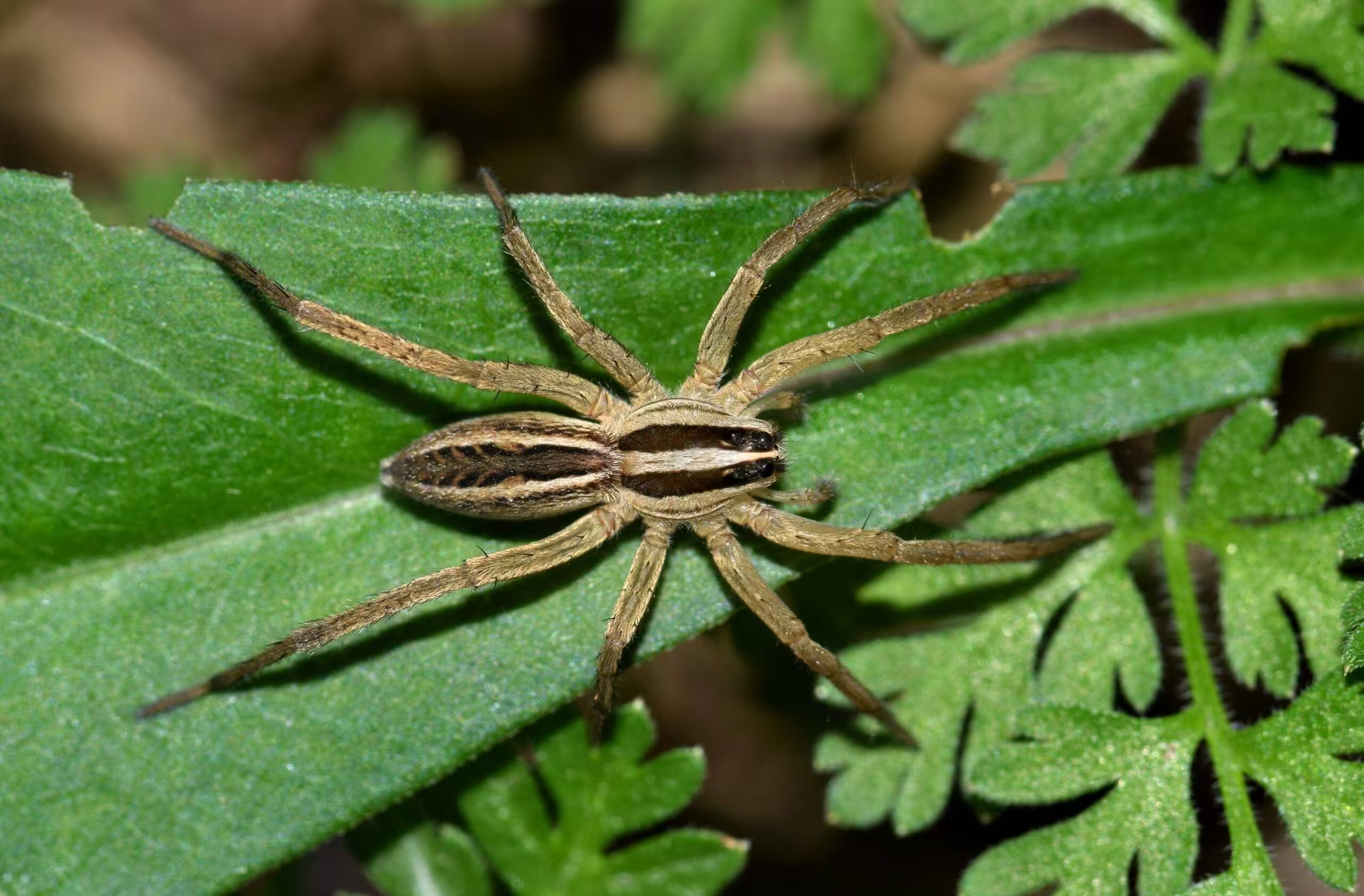
Seeing a large, fast-moving spider sprint across the floor can startle anyone. In Washington, that spider is often a wolf spider, a common ground-dwelling hunter across the state. Their size and speed look intimidating, but they are far less dangerous than they appear. Learning their habits and behavior helps reduce worry and makes indoor encounters easier to handle. Because several local species share similar coloring, people sometimes confuse wolf spiders with other harmless ground hunters. Some homeowners also use essential oils that deter spiders to add a gentle layer of prevention around doors and baseboards.
What Do Wolf Spiders Look Like?
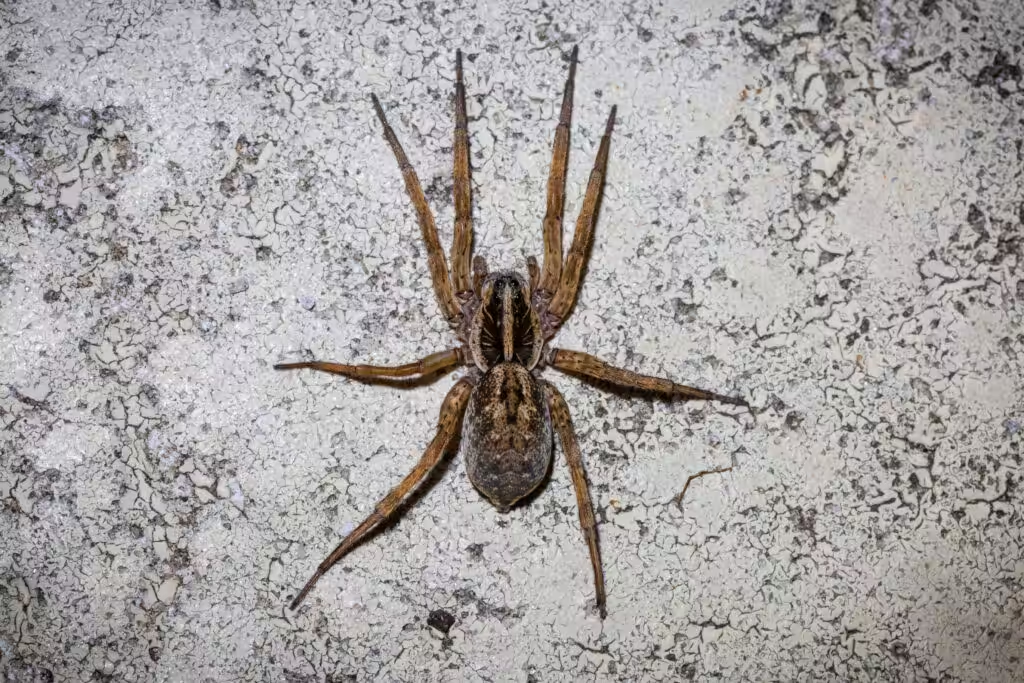
Wolf spiders have a distinct appearance that becomes easier to recognize once you know what details to look for. Their bodies are usually brown or gray with darker stripes across the back, giving them a camouflaged look that blends well with dirt, bark, and ground debris. They possess eight eyes arranged in three rows, giving them excellent nighttime vision. When a flashlight or phone light passes over them, their eyes produce a reflective shine that many homeowners notice during late-night encounters.
Their legs are long, sturdy, and covered in fine hair. These legs help them run quickly across floors, patios, and yard surfaces, which is why many people feel startled when one darts out of hiding. Because they do not build webs to trap prey, wolf spiders spend their time actively hunting, often moving across floors instead of resting in corners.
Key identifying traits include:
- Brown or gray coloring with darker stripes
- Eight eyes in three rows with a reflective shine
- Sturdy, hairy legs built for running
- A long, low body shape distinct from hobo spiders
Wolf spiders usually retreat as soon as they’re disturbed. Their instinct is to escape, not to defend themselves, which helps separate them from Washington’s medically significant spiders.
How Big Do Wolf Spiders Grow?
Wolf spider sizes vary widely depending on age, habitat, and the specific species. Some measure about half an inch in body length, while larger adults—especially females—may exceed an inch. When legs are included, many wolf spiders can span two inches or more. Because they move quickly and often appear in dim lighting, they can look larger than they actually are. Their bold appearance is one reason they are sometimes mistaken for hobo spiders, but their eye arrangement and body shape provide clearer identification once you know the differences.
What Do Wolf Spiders Eat?
Wolf spiders are skilled hunters and play an important ecological role. Their diet includes insects such as:
- Crickets
- Beetles
- Ants
- Roaches
- Flies
Because they hunt at ground level, they help reduce pest activity around foundations, patios, and garden beds. Even though they contribute to natural pest control, most people still prefer not to encounter them indoors. When sightings increase, many compare home prevention methods with professional support if the DIY approach doesn’t work.
Can Wolf Spiders Bite?
Wolf spiders can bite, but they rarely do. They avoid contact with people and only bite when pressed directly against the skin, such as inside a shoe, glove, or stored clothing. Their primary response to danger is to flee. If a bite occurs, it usually feels similar to a bee sting—uncomfortable but not dangerous.
Venom and Safety Considerations
Wolf spider venom is not considered harmful to humans. Redness, mild swelling, and temporary irritation are the most common symptoms. Many Washington residents familiar with local spiders find wolf spiders less concerning once they understand their behavior. While no spider bite should be ignored if symptoms worsen, wolf spiders are among the least threatening species commonly found in Washington homes.
Are Wolf Spiders Dangerous?
Wolf spiders are not deadly, and serious medical reactions are extremely rare. Anyone who experiences trouble breathing, significant swelling, or persistent discomfort should seek medical care, but these cases occur infrequently. Most encounters end with the spider simply escaping to another part of the room.
Where Wolf Spiders Live
Wolf spiders thrive across Washington’s varied landscapes. They prefer environments with loose soil, moisture, and plenty of insects. Outdoors, they hunt through gardens, forest floors, tall grass, mulch beds, and landscaped areas. Their natural camouflage makes them blend into bark mulch, leaf litter, and dirt.
Common wolf spider habitats include:
- Forest floors and leaf litter
- Gardens and landscaped beds
- Tall grass and brush
- Garages, sheds, and crawl spaces
- Basements and ground-level rooms
Around homes, wolf spiders rest in basements, garages, sheds, crawl spaces, and other quiet, ground-level areas. They do not create large webs, but during fall temperatures you may notice more web activity from other species. Some homeowners even ask if spiders learn your daily routine because sightings can feel predictable during seasonal peaks.
Preventing Wolf Spider Encounters
Prevention begins with good home maintenance—sealing small openings, reducing clutter, and limiting insect activity. Regular vacuuming removes both insects and hiding spots. Storing items in sealed containers instead of cardboard helps limit shelter opportunities for all spider species. Outdoors, trimming vegetation and clearing debris reduces moisture and insect activity that attract wolf spiders to the home’s perimeter.
Helpful prevention measures include:
- Sealing cracks and gaps around the home
- Reducing clutter in basements and garages
- Keeping vegetation trimmed and away from walls
- Storing belongings in sealed plastic containers
Adjusting outdoor lighting can also reduce nighttime insect traffic near entry points. Many residents prefer natural repellents as an added layer of protection, especially around doors and windows.
Professional Spider Control in Washington
Wolf spiders are helpful outdoors, but most homeowners prefer to keep them outside where they belong. When sightings increase or when long-term prevention is needed, Sentinel Pest Control offers spider control designed for Washington homes. Their team understands local spider species, seasonal behavior, and the structural conditions that allow spiders inside. Sentinel provides treatments that block entry points, reduce attractants, and prevent spiders from settling indoors.
Contact Sentinel Pest Control today to schedule an inspection and get long-lasting protection from unwanted spider activity.