

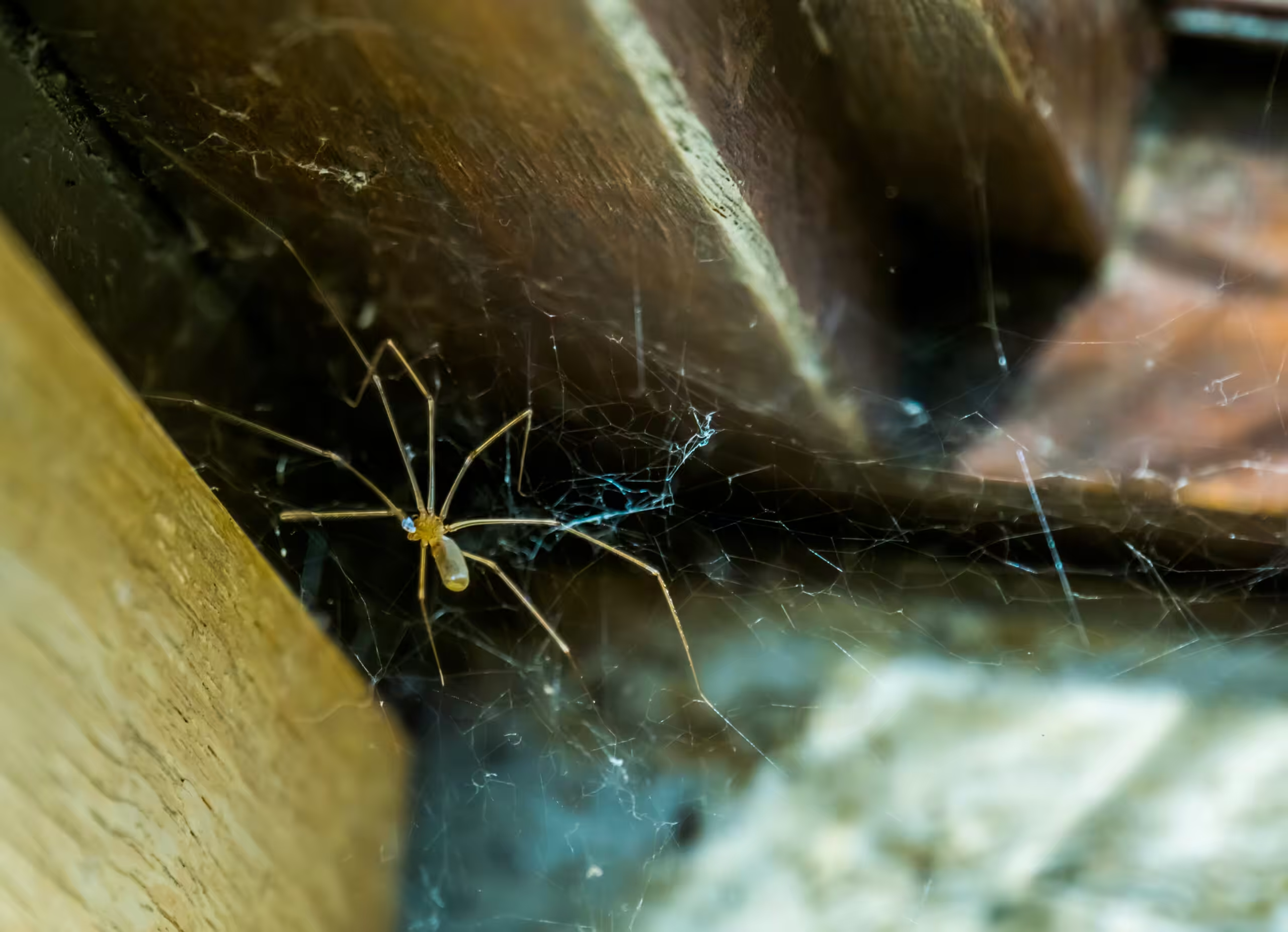
Are Daddy Longlegs Spiders? And Are They Poisonous?
As the autumn mist rolls over Capitol Lake in Tumwater, and something eight-legged is making its way into your basement, you might think you have a spider infestation on your hands.
But what you’re calling a spider might not be a spider at all. That gangly creature with impossibly long legs scuttling across your Westside neighborhood basement floor is the creature responsible for sparking one of the most persistent myths in pest identification.
The confusion around the question, “are daddy longlegs spiders?” has persisted for decades, creating unnecessary fear and misunderstanding. Let’s untangle this web of misinformation once and for all.
Understanding Daddy Longlegs: Anatomy and Spider Classification
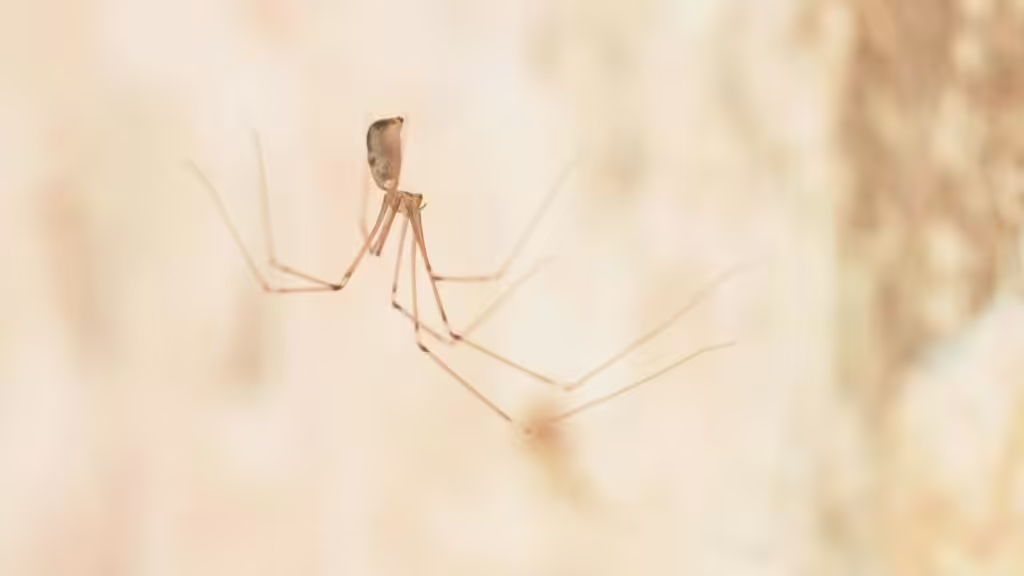
When people ask, “are daddy longlegs spiders?”, they’re often surprised by the answer: most of what we call “daddy longlegs” aren’t actually spiders. True spiders belong to the order Araneae and have distinct body characteristics that separate them from their eight-legged cousins.
Real spiders have two main body segments: a cephalothorax (head and chest combined) and an abdomen connected by a narrow waist. They also produce silk and have specialized fangs for injecting venom.
The creatures commonly called daddy longlegs in Tumwater actually belong to the order Opiliones, also known as harvestmen. These arachnids have several key differences:
- One fused body segment instead of two separate parts
- No silk production capabilities
- No fangs or venom glands
- Different feeding mechanisms (they’re scavengers rather than predators)
Some long-legged spiders, particularly cellar spiders (Pholcidae), are also called daddy longlegs. These are true spiders, complete with the classic spider body plan and silk-spinning abilities. So when residents near Tumwater’s Bush Prairie ask about daddy longlegs, they might actually be referring to three different creatures.
The Truth About Whether Daddy Longlegs Are Poisonous

The persistent myth that daddy long legs are poisonous but unable to bite humans has been thoroughly debunked by entomologists and arachnologists. This urban legend likely stems from confusion between the different types of creatures called daddy longlegs.
- Harvestmen (Opiliones) are not poisonous because they lack venom glands entirely. These beneficial creatures actually help control pest populations by eating decomposing organic matter, small insects, and plant material. They’re essentially the cleanup crew of the arachnid world.
- Cellar spiders (the true spider daddy longlegs) do have venom, but it’s specifically designed for their tiny prey, like gnats, mosquitoes, and other small insects. Their fangs are perfectly capable of piercing human skin, but their venom poses no threat to humans. In fact, researchers have tested this directly, disproving the old myth completely.
Studies show that cellar spider venom has virtually no effect on humans, causing no more irritation than a mosquito bite in the rare instances when bites occur. These spiders are actually beneficial residents in Tumwater homes, controlling populations of more problematic insects.
The question, “are daddy long legs poisonous?” often comes up during late summer, the time when both harvestmen and cellar spiders become more active. The answer remains the same: neither poses any venomous threat to humans or pets.
Managing Daddy Longlegs and Other Spiders in Tumwater Homes
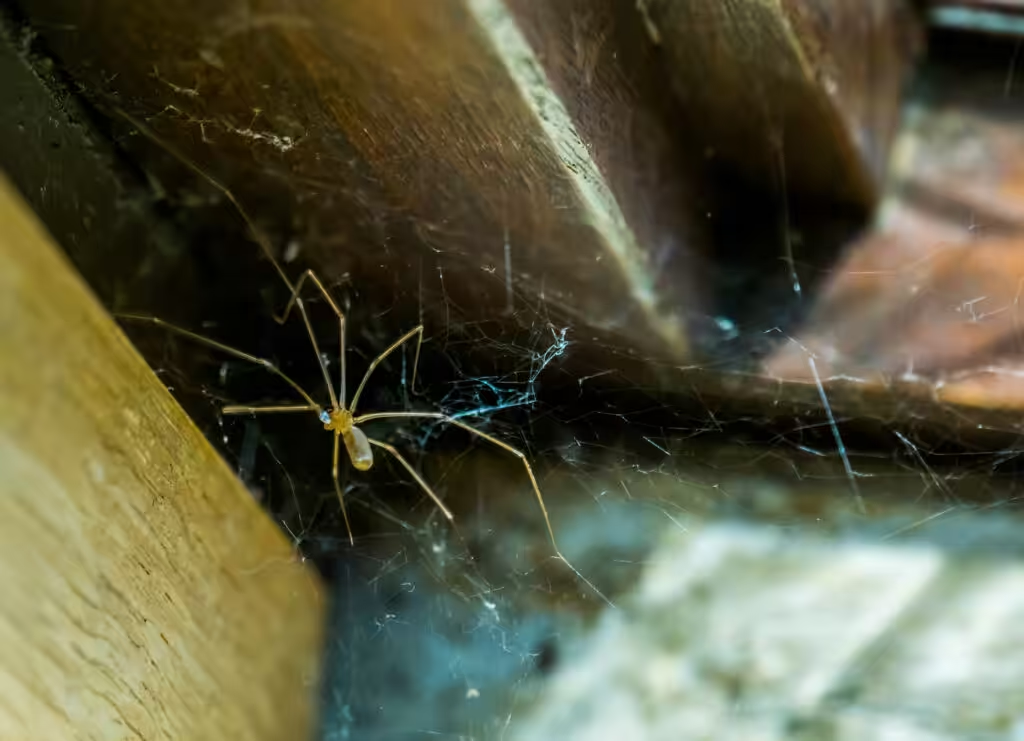
daddy long legs spider in its web, common house spider, Cannibalistic specie when food is scares
While daddy longlegs aren’t dangerous, many Tumwater homeowners prefer to minimize their indoor populations (can’t say we blame them!). The Pacific Northwest’s damp climate creates ideal conditions for these arachnids, especially in basements, crawl spaces, and garages near neighborhoods like Littlerock and Maytown.
The best prevention strategies will be ones that focus on moisture control and exclusion:
- Reducing humidity through proper ventilation and dehumidification makes your home less attractive to these moisture-loving creatures.
- Sealing entry points around windows, doors, and foundation cracks prevents easy access.
- Regular cleaning of storage areas eliminates the debris and organic matter that attract harvestmen.
For residents dealing with larger populations, professional pest management offers the most comprehensive solutions. We understand the difference between beneficial daddy longlegs and problematic spider species, creating targeted treatment plans that protect your family while preserving ecological balance.
Did You Know?
Harvestmen have been around for over 400 million years, making them older than dinosaurs and among the first terrestrial arthropods. Unlike spiders, they can regenerate lost legs, a survival adaptation that’s served them well throughout their ancient evolutionary journey. Some species can even detach legs voluntarily when threatened, similar to how lizards drop their tails.
When to Call Pest Control for Daddy Longlegs
Most daddy longlegs situations don’t require professional intervention, but there are certain circumstances that warrant expert attention. If you’re seeing hundreds of these creatures in your Tumwater home, you might have underlying moisture issues that need addressing. Large populations often indicate water damage, poor ventilation, or structural problems creating ideal habitat conditions.
You may also want to consider professional pest control when daddy longlegs are accompanied by other concerning pests, or when their presence interferes with your comfort in storage areas and living spaces. We can identify exactly which type of “daddy longlegs” you’re dealing with and recommend appropriate management strategies.
At Sentinel Pest Control, we help Tumwater families understand and manage their eight-legged visitors safely and effectively. Whether you’re dealing with harvestmen, cellar spiders, or other arachnids, our local expertise ensures the right solution for your specific situation.
Contact Sentinel Pest Control today for a thorough inspection and customized treatment plan that keeps your Tumwater home comfortable year-round.
FAQ
Are all daddy longlegs the same species?
No, “daddy longlegs” refers to several different arachnids including harvestmen (Opiliones) and cellar spiders (Pholcidae). True harvestmen aren’t spiders at all.
Can daddy longlegs bite humans?
Harvestmen cannot bite humans as they lack fangs. Cellar spiders (true spider daddy longlegs) can bite but rarely do, and their bites are harmless to humans.
Why do I see more daddy longlegs in fall?
Both harvestmen and cellar spiders seek shelter indoors as temperatures drop and outdoor food sources become scarce during autumn months.
Should I remove daddy longlegs from my home?
Daddy longlegs are generally beneficial, controlling pest insects and decomposing organic matter. Removal is typically unnecessary unless populations become excessive.
What attracts daddy longlegs to houses?
Moisture, darkness, and food sources (small insects for cellar spiders, organic debris for harvestmen) attract these arachnids to basements, crawl spaces, and storage areas.