

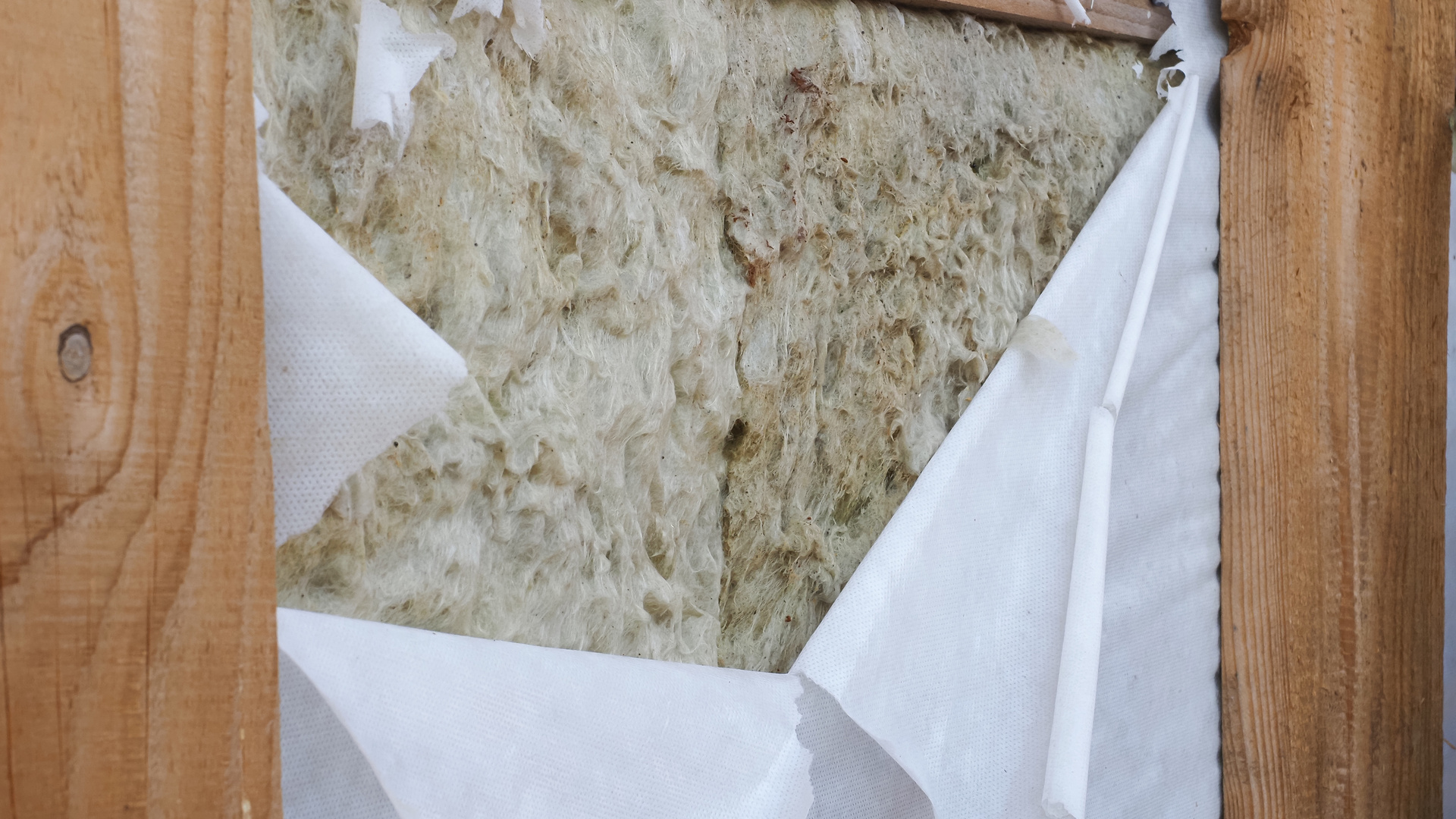
Vapor barrier installation cost typically runs between $0.50 and $1.50 per square foot installed, with most crawl spaces landing somewhere in the $600 to $2,000 range depending on size and access. That’s a wide spread, and the reason has less to do with the material itself than with what’s already down there waiting to be worked around.
What Determines Installation Cost
Square footage sets the baseline. A 1,200 square foot crawl space with 30 inches of clearance costs far less to work in than the same square footage with 14 inches of clearance and a support beam running through the middle.
Crews working on their hands and knees for six hours cost more than crews who can move freely and finish in three. Access shapes labor time more than almost any other single factor, and labor is where most of the cost actually lives.
Material grade adds another layer. A standard 6-mil polyethylene liner sits at the low end of the range. A reinforced 12-mil or 20-mil vapor barrier, the kind rated for crawl spaces with a history of standing water, costs more per square foot but holds up longer against tears and punctures from the ground.
Choosing a thinner liner to save money upfront in a space with a history of moisture problems usually means a replacement conversation within a few years.
Square Footage and Crawl Space Access
A few factors shift the per-square-foot number more than people expect:
- Crawl space height under 18 inches usually adds a labor surcharge
- Working around support beams, ductwork, and plumbing runs slows installation time
- Existing debris or old insulation comes out before the liner goes in
- With only one tight entry point instead of several, the job takes longer
None of these show up in a generic per-square-foot quote pulled from a national average. That’s why two homes of the same size can get very different numbers.
Labor and Material Cost Breakdown
Material typically makes up a smaller share of the total than most homeowners assume, usually somewhere between 20 and 35 percent of the project. Labor accounts for the rest, and that split makes sense once the actual work gets broken down.
Crawling through a confined space takes time on its own. Sealing seams and running the liner up foundation walls adds more. Taping every penetration point rounds out the job, regardless of how much the plastic itself costs per roll.
A basic 1,000 square foot installation with good access might run $600 to $900 total. The same square footage with poor access, old insulation removal, and a few structural obstacles can push past $1,800 before anything unusual gets factored in. The gap between those two numbers isn’t padding or upselling.
It reflects real differences in how many hours a crew spends underneath the house and what they find once they’re down there. A quote that doesn’t account for access and existing conditions is usually a quote based on square footage alone, and square footage alone rarely predicts the final invoice accurately.
What Can Push the Price Higher
A handful of conditions consistently push costs above the baseline estimate:
- Standing water or a history of flooding often needs a sump pump before the barrier goes in
- If mold is visible, remediation happens first and gets priced separately
- Sagging insulation or damaged vapor barrier from a previous install adds removal time
- Floor joists or support posts needing structural repair get addressed before anything gets sealed shut
Skipping any of these to save money upfront usually means redoing the work within a few years once the underlying issue resurfaces.
Why Moisture Control Matters for Pests
A sealed crawl space does more than protect the structure. It removes one of the main reasons pests move toward a foundation in the first place. Damp soil under a home stays several degrees cooler and more humid than the air above it, and that combination draws in exactly the kind of activity nobody wants directly under their living room.
Homes without a vapor barrier at all tend to show the clearest version of this pattern, since nothing is stopping ground moisture from working its way up into the subfloor year-round.
Rodents and Termites Drawn to Dampness
Moisture and structural pest activity show up together often enough that we treat crawl space conditions as part of the inspection, not a separate issue:
- Rodents seek out damp, dark crawl spaces for nesting material and shelter
- Consistent moisture contact is what subterranean termites need to survive and spread
- Wood-destroying fungi soften structural lumber long before termites ever arrive
- Even with a vapor barrier in place, an infestation already established underneath won’t stop on its own
A crawl space job on our end includes an inspection alongside the crawl space cleaning and installation quote, not as an upsell afterward, but because moisture and pest activity are usually the same underlying problem wearing two different names.
A vapor barrier installed without addressing an active rodent or termite issue underneath solves the moisture problem and leaves the pest problem completely untouched. That overlap shows up constantly in our broader residential pest control visits too.
Crawl space condition gets checked during a standard pest inspection for exactly that reason, rather than waiting for a separate appointment.
Get a Crawl Space Quote Today
If a crawl space hasn’t been checked in the past few years, or there’s a musty smell coming up through the floor vents, that’s worth a look before fall moisture season adds to the problem.
Give us a call at 253-538-2576 or reach out through our contact page, and we’ll assess the space, the access, and the actual work needed rather than quoting a flat rate that doesn’t match the job.
We serve homeowners throughout the Puget Sound region, including: