

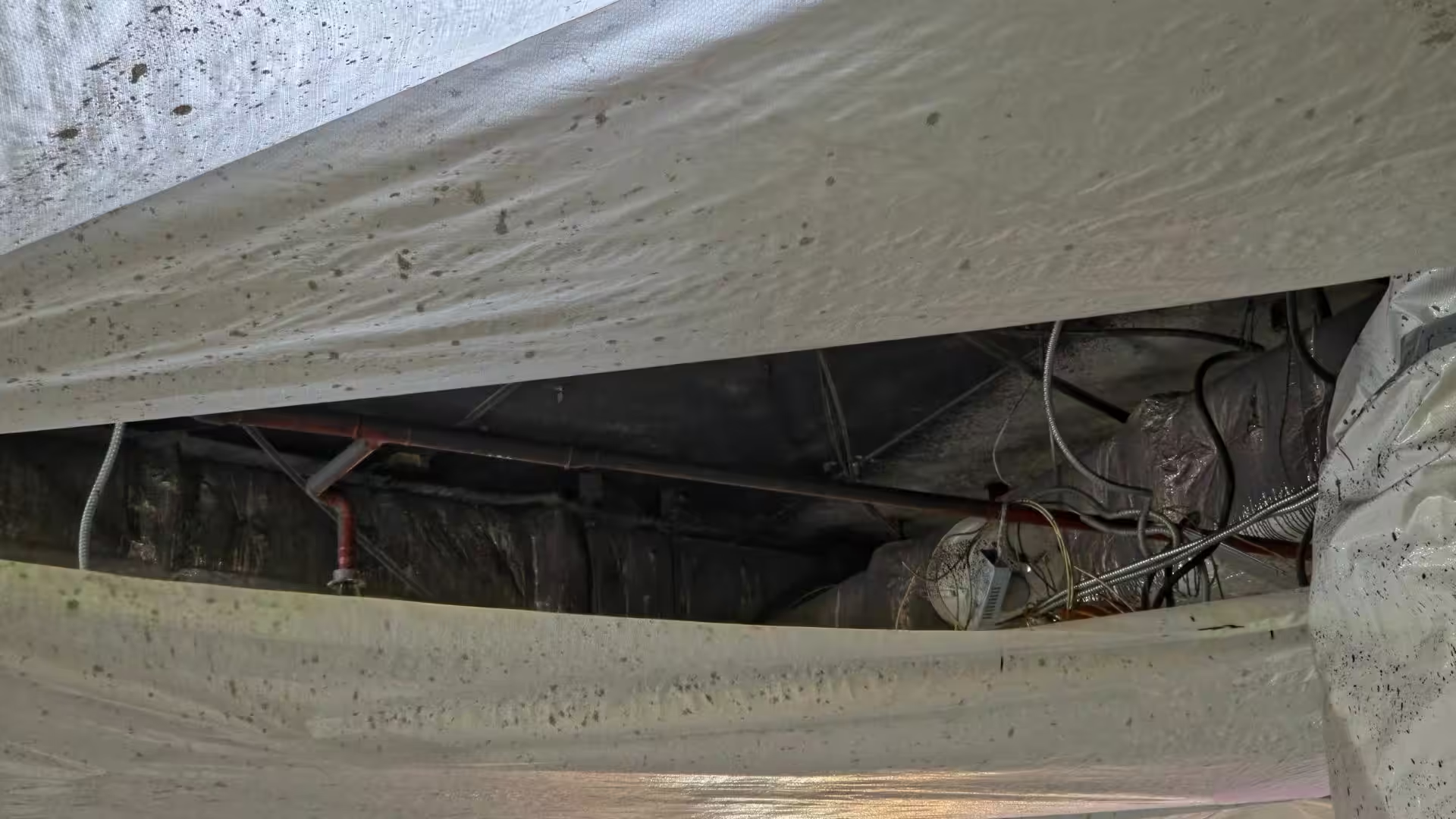
A damaged crawl space vapor barrier does more than create moisture problems—it rolls out the welcome mat for destructive pests. Rodents, termites, carpenter ants, silverfish, cockroaches, and other moisture-loving invaders thrive in damp, accessible crawl spaces. Understanding how vapor barrier damage contributes to pest infestations helps homeowners protect their property before colonies establish.
Below, we break down how pests exploit crawl space conditions, warning signs of pest activity, and how proper moisture barriers serve as your first line of defense against infestations.
How Damaged Vapor Barriers Create Pest Highways
When vapor barriers fail, they don’t just allow moisture—they create ideal conditions for pest activity and provide direct access routes into your home.
Why Pests Target Damp Crawl Spaces
Pests need three things to survive: moisture, food, and shelter. A damp crawl space with a damaged vapor barrier provides all three. Termites and carpenter ants seek moisture-weakened wood to establish colonies. Rodents find nesting materials and water sources. Silverfish, cockroaches, and centipedes thrive in humid environments.
Torn or missing sections of vapor barrier give pests direct contact with soil, allowing subterranean termites easy access to wood framing. Rodents burrow through damaged barriers to create nests in insulation. Standing water attracts mosquitoes and provides drinking sources for larger pests.
Common pest attractants in compromised crawl spaces include:
- Moisture-softened wood that termites and carpenter ants target
- Standing water that draws rodents, cockroaches, and insects
- Gaps and tears in barriers that provide entry points from soil
- Humid conditions ideal for silverfish, centipedes, and spiders
- Rotting organic material that feeds insects and attracts scavengers
The Pest Domino Effect
Once pests establish in your crawl space, problems multiply rapidly. Termites silently consume structural wood. Rodents chew through insulation, wiring, and ductwork. Their droppings contaminate your home’s air supply as it circulates upward through floors.
Carpenter ants follow termite damage, expanding existing colonies. Spiders move in to prey on smaller insects. Before long, your crawl space becomes a thriving pest ecosystem—with your living space directly above suffering the consequences.
What Makes Your Crawl Space Vulnerable to Pests
Several factors determine whether pests can access and colonize your crawl space. Understanding these vulnerabilities helps you address the root cause.
Size, Access Points, and Pest Entry Routes
Larger crawl spaces provide more territory for pest colonies to establish undetected. Low clearance and difficult access mean infestations often go unnoticed until serious damage occurs.
Every gap, crack, or torn section of vapor barrier serves as a pest entrance. Rodents only need openings the size of a quarter. Termites enter through soil contact with wood. Insects crawl through the smallest tears in deteriorated barriers.
Pest entry factors that increase infestation risk include:
- Total square footage available for colony expansion
- Soil-to-wood contact where barriers have failed
- Vents and foundation cracks that pests exploit
- Existing pest damage to insulation, wood, or barriers
- Debris and organic material that attracts initial colonizers
High Moisture Levels = High Pest Activity
The more moisture present, the more pests you’ll attract. Termites require moisture to survive and specifically target damp wood. Carpenter ants won’t establish in dry wood—they need water-damaged lumber.
Rodents seek water sources and prefer damp nesting areas. Cockroaches, silverfish, and centipedes physically require humid environments to prevent dehydration. A single moisture problem can trigger multiple simultaneous pest infestations.
Heavy pest activity requires additional treatment and exclusion work beyond simple barrier replacement. Established termite colonies need professional treatment. Rodent infestations require trapping, removal, and sanitization. The longer pests remain, the higher your costs climb.
Understanding Pest-Driven Vapor Barrier Replacement Costs
When pests damage your crawl space, replacement costs reflect both barrier installation and pest remediation.
Pest Remediation vs Barrier Materials
Professional pest treatment often represents the largest expense. Active termite infestations require targeted treatment before barrier installation. Rodent removal includes trapping, cleanup of droppings and nesting material, and sanitization of contaminated areas.
Carpenter ant colonies need elimination at the source. Heavy cockroach or silverfish populations may require residual insecticide application. Only after pest activity is controlled can proper vapor barrier installation begin.
Material costs for reinforced, pest-resistant barriers run higher than standard options, but they prevent future damage. Heavy-duty barriers resist rodent chewing and prevent termite soil contact more effectively.
Why Professional Installation Prevents Pest Re-Entry
DIY vapor barrier installation rarely addresses pest exclusion properly. Professionals seal foundation cracks, secure barrier edges to walls, and eliminate soil-to-wood contact points that pests exploit.
Proper installation creates a continuous moisture barrier that doubles as pest exclusion. Every seam gets sealed. Every penetration point gets protected. Wall edges get secured to prevent rodent access. This comprehensive approach stops pest entry from below while controlling the moisture that attracts them.
Cutting corners on installation invites pests back in. A single unsealed gap allows termites access. One loose edge gives rodents entry. Professional installation delivers lasting pest protection—not just temporary fixes.
Warning Signs: When Pests Exploit Your Crawl Space
Don’t wait for visible structural damage. Recognize early pest warning signs to act before colonies establish.
Pest Activity Indicators You Can’t Ignore
Rodent evidence appears first. Droppings near vents, baseboards, or in cabinets signal crawl space activity. Scratching sounds from below floors indicate active nesting. Gnaw marks on wood, wiring, or stored items confirm their presence.
Termite signs include mud tubes on foundation walls, discarded wings near vents, or hollow-sounding wood when tapped. Subterranean termites leave visible tubes from soil to wood framing—clear evidence they’ve exploited your damaged vapor barrier.
Carpenter ant activity often appears after termite damage. Large black ants emerging from baseboards, tiny wood shavings near walls, or rustling sounds inside walls signal established colonies in moisture-damaged wood.
Common pest indicators during inspections include:
- Rodent droppings, urine stains, or nesting materials
- Termite mud tubes on foundation walls
- Carpenter ant frass (wood shavings) near structural members
- Shed insect skins or egg casings
- Cockroach droppings or dead insects in crawl space corners
- Spider webs indicating prey insect populations
- Chewed insulation, wiring, or vapor barrier material
Moisture Conditions That Trigger Infestations
A musty smell means moisture levels are high enough to attract pests. That distinctive odor signals ideal conditions for termites, carpenter ants, and moisture-loving insects.
Standing water or consistently damp soil gives subterranean termites direct access to your home’s structure. Condensation on pipes provides drinking water for rodents and cockroaches. High humidity supports silverfish and centipede populations.
Visible mold growth attracts insects that feed on organic decay. Wood rot signals advanced moisture damage that termites and carpenter ants target aggressively. These conditions don’t just damage your home—they announce “pest paradise” to every destructive species in your area.
Health Risks from Pest-Contaminated Crawl Spaces
Pest droppings and urine contaminate your home’s air supply as it rises through floors. Rodent waste carries hantavirus and salmonella. Cockroach allergens trigger asthma and respiratory problems, especially in children.
Termite and carpenter ant frass contains fungi and bacteria. Dead insects and shed skins become airborne allergens. If family members experience worsening allergies, respiratory symptoms, or unexplained illness, crawl space pest contamination may be the hidden culprit.
Don’t Wait Until Pests Cause Serious Damage—Contact Sentinel Pest Control Today
Every day you delay gives pests more time to establish colonies, damage structure, and multiply exponentially. Termites consume wood 24/7. Rodents breed rapidly—one pair can produce dozens of offspring in months. Carpenter ants expand their galleries deeper into your home’s framework.
Replacing your vapor barrier isn’t just about moisture control—it’s about stopping pest invasions before they compromise your home’s structural integrity and your family’s health.
Contact Sentinel Pest Control and schedule a comprehensive crawl space inspection. We’ll identify active pest activity, assess vapor barrier damage, eliminate existing infestations, and install proper moisture barriers that serve as pest exclusion systems. Don’t wait until you’re facing thousands in structural repairs or health hazards from pest contamination—take action now and protect your home from the ground up.