

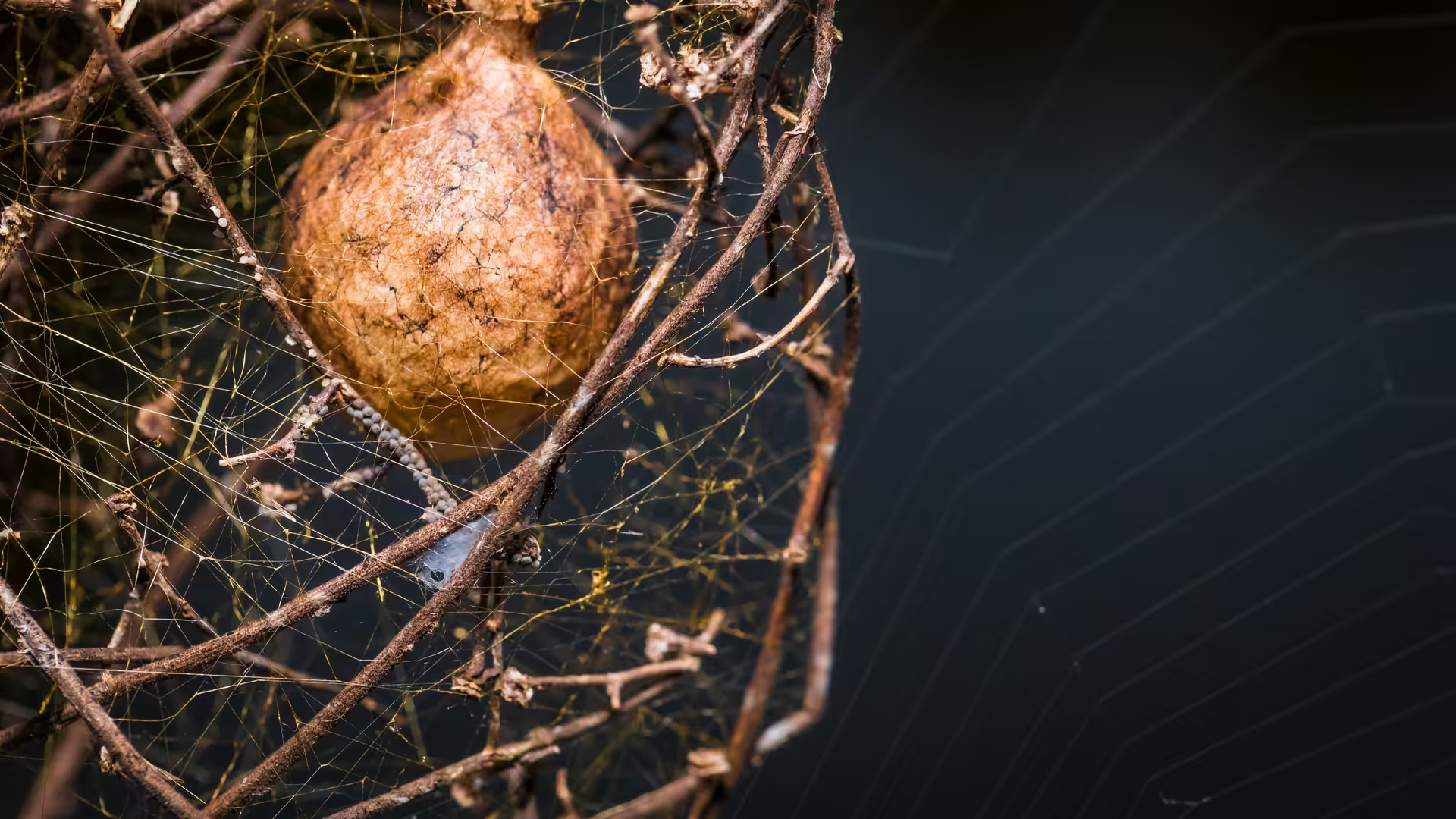
Spider eggs don’t look like eggs. They come wrapped in silk, in tight little balls easy to mistake for lint or a seed pod until you catch one moving. Knowing what an egg sac looks like and where to find it tells you whether to leave it alone. Below are the species you’ll see in Washington homes and how to handle their sacs.
What Do Spider Eggs and Egg Sacs Look Like?
Spider eggs almost never appear loose. A female wraps her eggs in a silk pouch called an egg sac, and that pouch is what you’ll actually find.
Now, what do spider eggs look like once you crack a sac open? Tiny pale orbs the size of a pinhead, packed in dozens or hundreds, depending on species. Most homeowners never see the eggs themselves, only the silk wrapping.
Sacs range from pea-sized to roughly the size of a marble. Color and texture shift by species. Spider egg sac identification matters before you do anything about it, because the wrong move on a black widow sac creates a worse problem than leaving it alone.
How to Identify Egg Sacs by Spider Species in Washington
A few traits separate one sac from another:
- Color runs cream, tan, or off-white in most cases
- Texture varies from papery and stiff to soft and almost fluffy
- Some sacs hang exposed in corners; others are guarded by the mother spider directly
- Round, teardrop, or slightly flattened shapes show up depending on the species
A white spider egg sac stuck high in a corner of your basement is most often a common house spider. Find a heavier, papery one in a woodpile and you’re probably looking at a black widow. Wolf spider sacs work differently. The mother carries hers around with her until the spiderlings emerge.
Black Widow, Wolf Spider, and Common House Spider Egg Sacs
-
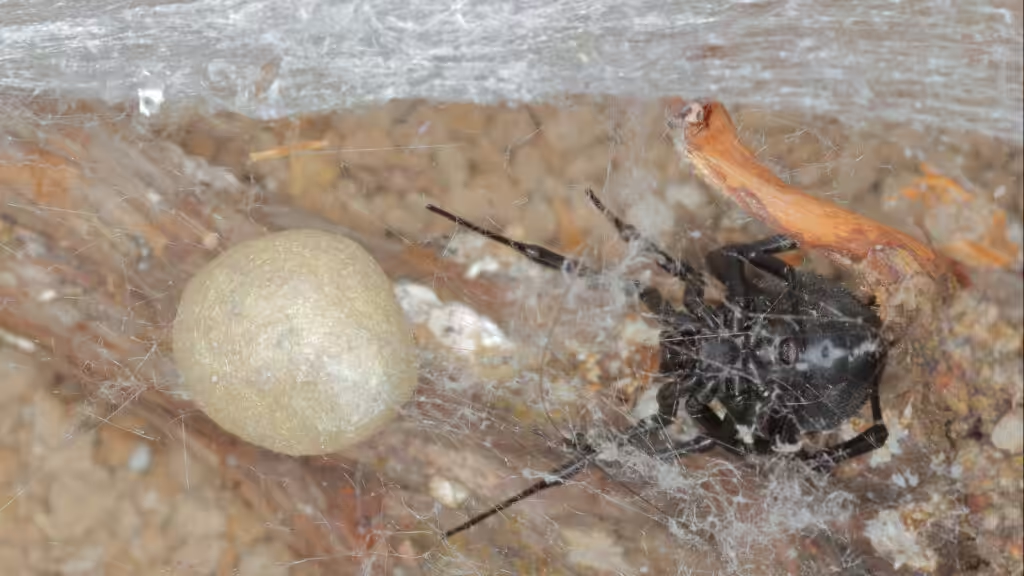
- Widow Egg Sac
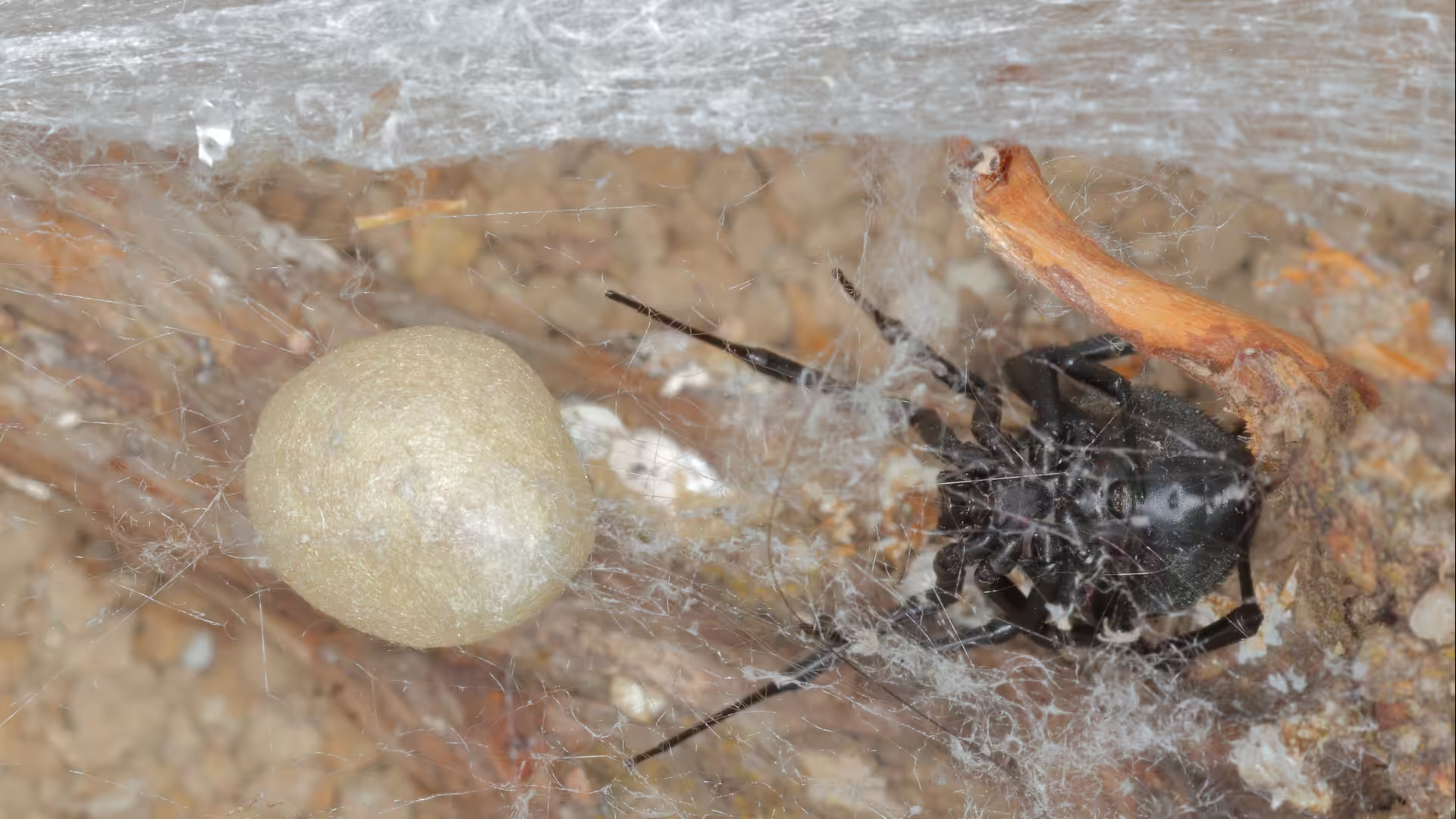
-
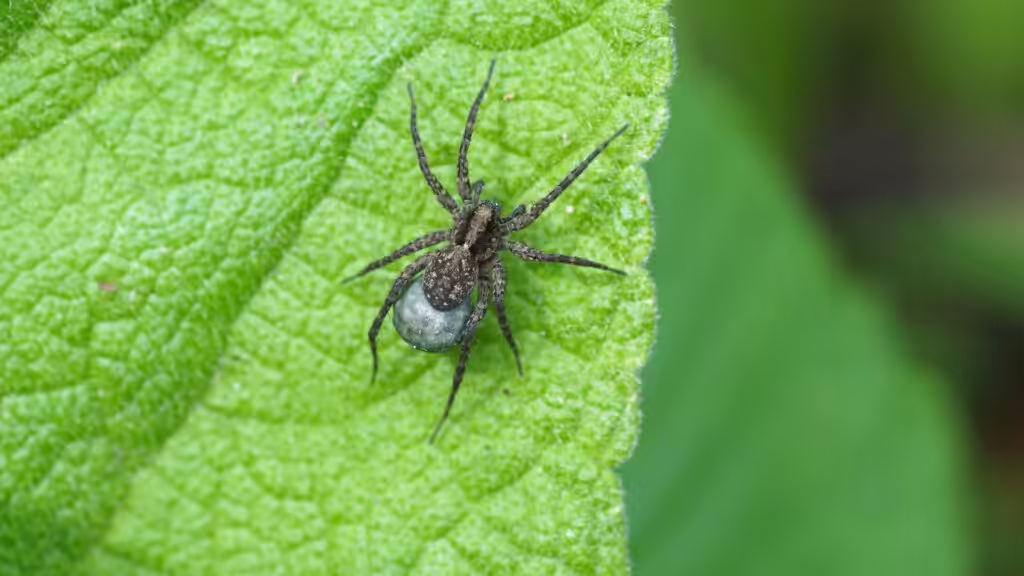
- Wolf Spider Egg Sac
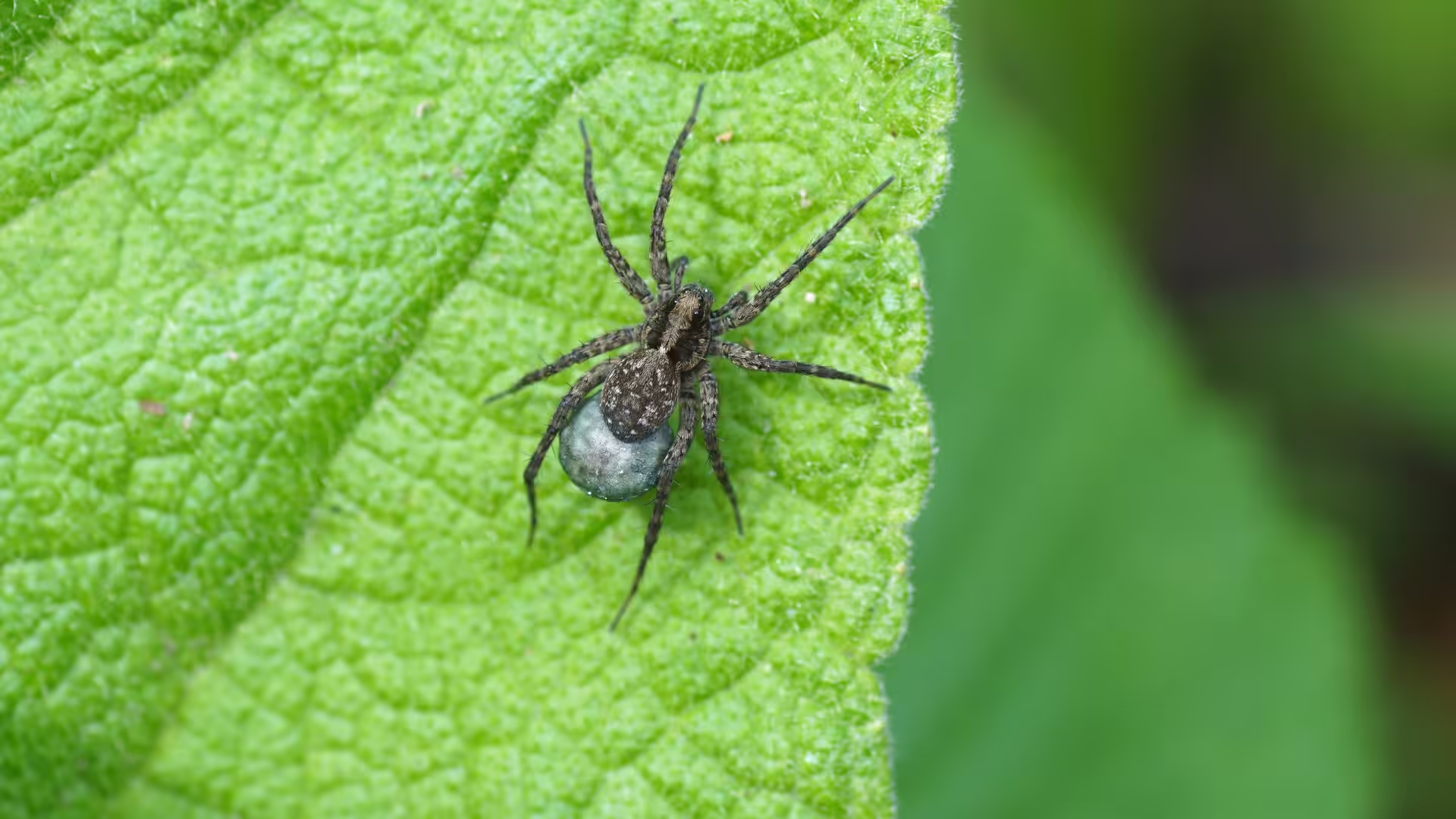
-
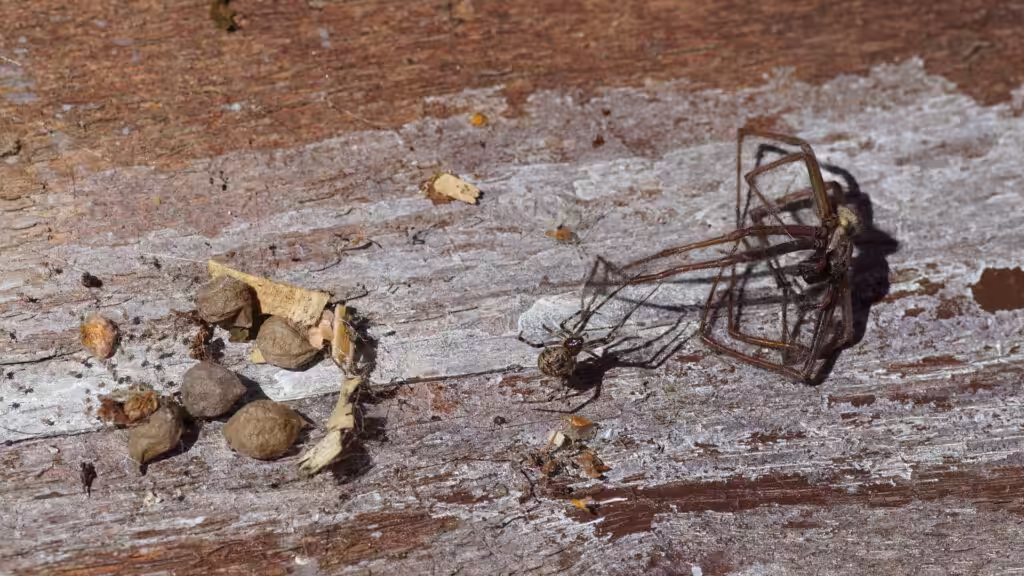
- House Spider Egg Sac
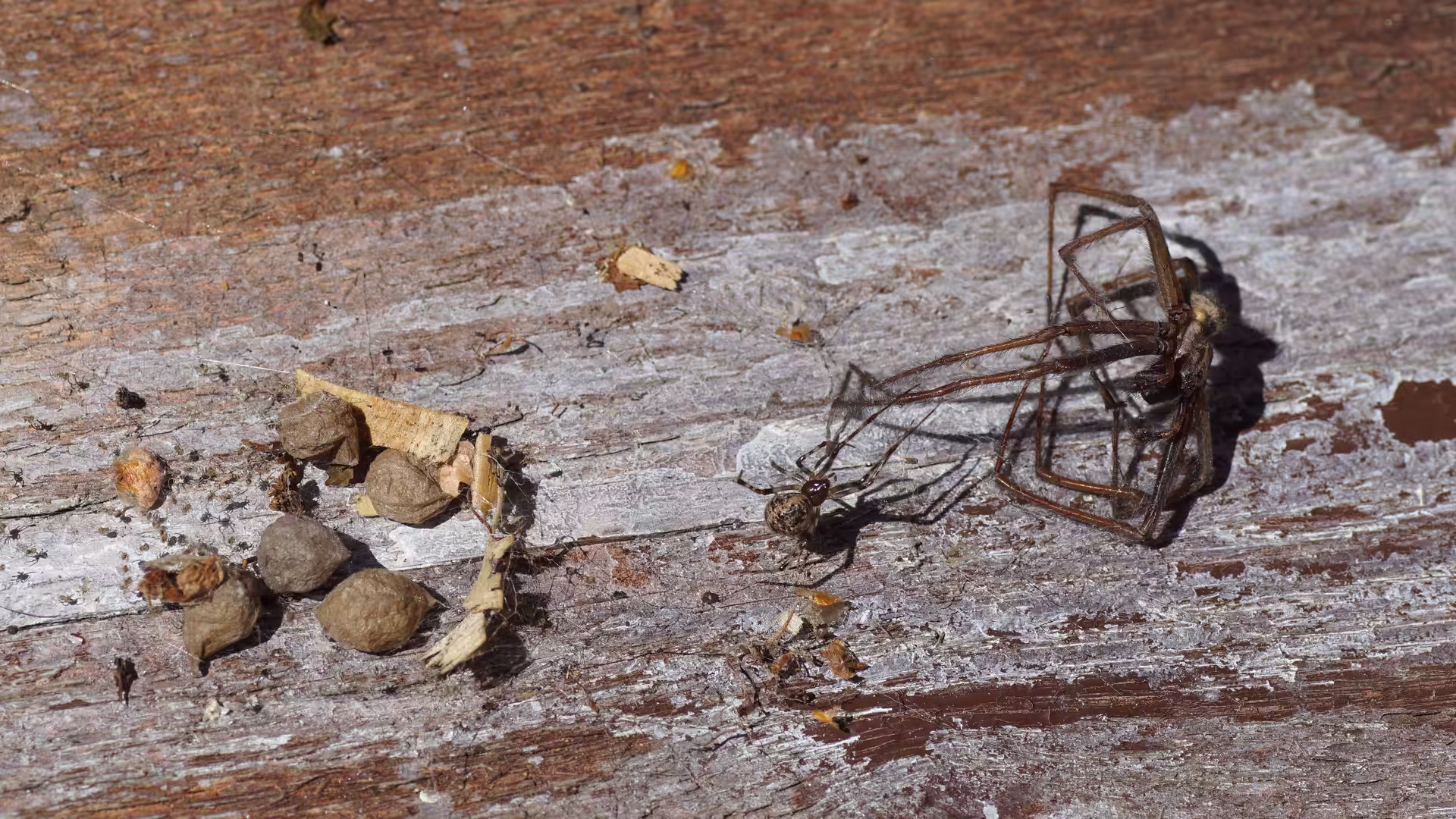
Three species you’ll actually run into in Washington homes:
The black widow egg sac is the one to know first. Pea-sized and tan or grayish in color, with a leathery texture much tougher than what most other species spin.
A western black widow lays around 200 to 400 eggs per sac, though only a fraction survive to adulthood. In our state, black widows favor woodpiles and undisturbed garage corners over open living spaces. If you suspect one, our black widow bite guide covers what to watch for if you’ve already been bitten.
A wolf spider egg sac breaks every other rule on this list. These spiders don’t anchor their sacs to a surface. Instead, the mother attaches the sac directly to her spinnerets and carries it everywhere she goes until the spiderlings emerge.
Round and off-white, the sac runs roughly marble-sized. Spotting one usually means spotting the spider too. More on the wolf spiders that show up in Washington homes if you want to confirm the ID.
The common house spider builds the egg sacs that most people actually find. Hers are round to teardrop-shaped and brownish-tan, often grouped in twos or threes near her web. She’ll produce several sacs over a single summer. That’s how one spider in a window frame becomes a full spider nest in the house by August.
If you’re unsure what’s in front of you, our spider identification guide walks through the most common species in our region.
Where Spiders Lay Eggs in Your Home
Indoor spiders want low light and low foot traffic, with stable humidity to match. Your finished living spaces don’t qualify. The places that do are usually the ones you only visit twice a year, if that.
Basements, Garages, Window Frames, and Crawl Spaces
The most common spots for a spider egg sac in the house:
- Inside corners of basement ceilings, where the wall and ceiling meet
- Behind boxes in the garage, especially ones that haven’t moved in months
- Window frames in lesser-used rooms (guest bedrooms, finished basements)
- Crawl spaces, particularly along joists and the underside of the subfloor
- Under the outdoor furniture stored against the house
Crawl spaces deserve their own mention. Damp and dark with almost no foot traffic, they check every box a female spider looks for. A torn or missing vapor barrier makes the problem worse because moisture pulls in the small insects that spiders eat. Our notes on crawl space vapor barriers and pest control cover that fix.
The answer to how many eggs do spiders lay matters here, too. A single common house spider can produce several sacs in a season, with each one holding 100 to 400 eggs. Multiply that by a handful of females in an undisturbed garage. That’s why spider eggs hatching in the house during late summer turns into a real problem fast.
Should You Destroy a Spider Egg Sac? How to Do It Safely
If the sac belongs to a black widow, or anything you can’t confidently identify, leave it alone and call a pro. Crushing a sac can scatter spiderlings into the room you were trying to clear.
For a clearly identified common house spider sac in a low-risk spot, the safe steps for how to get rid of spider egg sacs look like this:
- Start with gloves. Spiderlings are tiny but capable of biting on contact, and some sacs hold a guarding mother nearby
- Use a vacuum with a hose attachment to pull the sac and a few inches of surrounding silk in one pass. Don’t tap it loose first
- Outside, empty the canister or bag straight into a trash bin with a tight lid
- A wipe-down with soapy water cleans the silk and chemical traces that draw other spiders to the same spot
Skip the bug spray for this. Pesticides aimed at the sac rarely penetrate the silk, and the residue does nothing for spiderlings that emerge later. Physical removal works better.
Found Spider Eggs in Your Home? Sentinel Pest Control Gets Rid of Them for Good
A handful of sacs in a corner is one thing. Several across multiple rooms means a population that’s been there longer than you realized. Reach out to Sentinel Pest Control and we’ll find the source.