

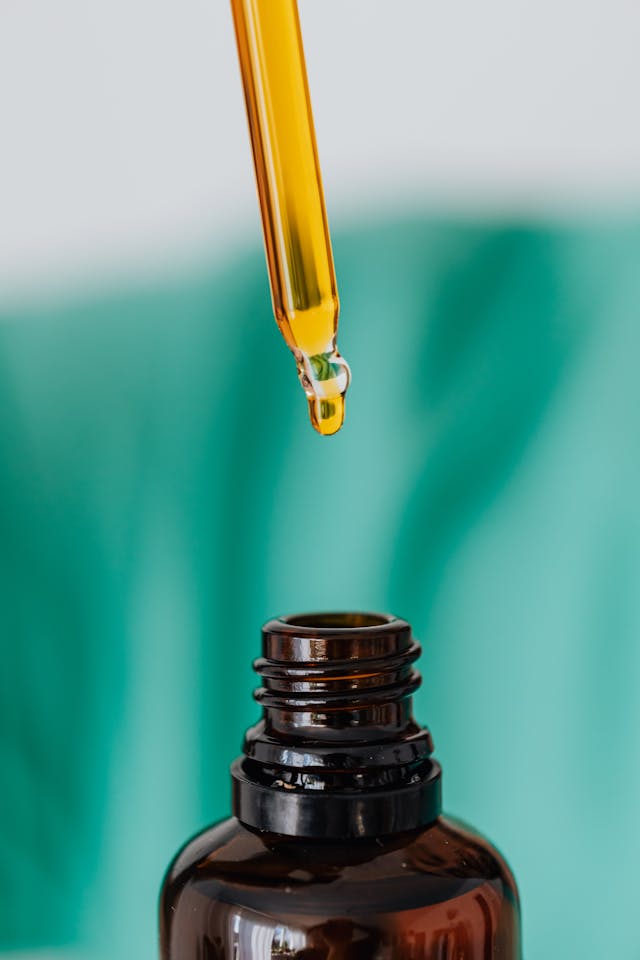
Peppermint oil ranks as the best essential oil for spiders overall, with tea tree and lavender close behind. All three disrupt a spider’s sensory organs on contact, though the effect fades within a day or two and needs regular reapplication near entry points.
Does Peppermint Oil Really Repel Spiders?
Peppermint earns the top spot for a reason. Its sharp menthol scent overwhelms the sensory organs spiders rely on to navigate, and that disruption is strong enough to make a treated area genuinely unappealing rather than just unpleasant.
A basic mix of ten to fifteen drops per cup of water, sprayed along baseboards and corners, covers most of what peppermint has to offer. Homeowners searching for what scent spiders hate most consistently land on peppermint first, and the research backs up the reputation more than it does for most natural remedies.
The catch is durability. Menthol compounds break down fast, especially in a warm room or near a heat vent, so a spray that worked Monday morning can be back to smelling like plain water by Wednesday. Combining it with other deterrents extends the effect further than relying on peppermint by itself.
A weekly reapplication schedule, rather than a one-time treatment, is what actually keeps the deterrent effect consistent through a full season.
Is Lavender Oil Effective Against Spiders?
Lavender works on the same principle as peppermint, just with a gentler scent profile and a shorter effective radius. It won’t clear a spider problem on its own, but it holds up well in enclosed spaces where a strong menthol smell would be unwelcome. Closets and bedrooms are good candidates, along with anywhere people spend a lot of time nearby.
Mixed with water at the same general ratio as peppermint, lavender spray works best in enclosed spaces where the scent can concentrate. Open areas with airflow dilute it too quickly to matter, so a lavender spray used outdoors or near an open window rarely delivers the same result it does inside a closed room.
Do Citrus Oils Keep Spiders Away?
Lemon and other citrus oils repel spiders through a different mechanism than menthol-based oils. The acidic, zesty compounds bother a spider’s chemoreceptors rather than overwhelming them outright, and the effect tends to be milder as a result.
Citrus oils work well as a secondary layer around windowsills and doorframes rather than a primary defense, especially in kitchens where a strong menthol or tea tree smell would compete with cooking.
Orange and grapefruit oil follow the same pattern as lemon. Any of the three can be substituted depending on what’s already in the cabinet.
Citrus peels themselves, rubbed directly along a doorframe, offer a weaker but genuinely free alternative to buying a bottle of oil specifically for pest control. This makes citrus the easiest option to try before spending money on anything else.
How Well Does Tea Tree Oil Work?
Tea tree oil’s reputation as an antiseptic carries over into pest deterrence. Its potent smell holds up slightly longer than peppermint in testing, too.
A cotton ball soaked in tea tree oil and tucked into a corner keeps working for several days before needing a refresh. That makes it a reasonable choice for spots that don’t get checked often, like the back of a closet or behind a bookshelf.
One caution matters here more than with the other oils. Tea tree oil is toxic to cats and dogs in concentrated form, so it needs to go in spots pets can’t reach rather than anywhere at floor level in a home with animals.
Diluting it more heavily than the standard ratio reduces the risk somewhat, though the safest approach in a pet-heavy household is sticking to peppermint or citrus instead.
Getting the Most Out of an Essential Oil Routine
A few habits separate a spray that actually works from one that fades into nothing within a day:
- Mix ten to fifteen drops of oil per cup of water and shake well before every use
- Target entry points directly: doors, windows, and any visible cracks
- Reapply on a schedule rather than waiting until the smell is already gone
- Soaked cotton balls in corners and closets last longer than a spray in high-traffic areas
Combining two oils, peppermint with lavender or tea tree with citrus, tends to outperform any single oil used alone. Eucalyptus can be added to this same rotation for homeowners who prefer its scent, since it works through a nearly identical mechanism to tea tree.
None of these combinations replace the basics, but they do make a real difference in how long a room stays spider-free between treatments.
Essential oils work best as reinforcement, not a replacement for the basics. A clean home matters more than any spray. So does sealing entry points and cutting down on clutter, since spiders that can’t find food or shelter have far less reason to stay regardless of scent.
Our guide on what repels spiders and keeps them out covers the exclusion side of prevention in more depth if oils alone haven’t solved it.
Heavy Infestation? Call Sentinel for Spider Control
Essential oils handle prevention and light deterrence well. A genuine infestation is a different situation entirely. Multiple sightings in a week is one signal. Egg sacs tucked into corners are another. Spiders showing up faster than a spray routine can keep pace with rounds out the list, and any one of these calls for more than a cotton ball rotation.
That’s when professional spider control makes the difference between managing symptoms and solving the problem underneath them. A technician can identify the actual entry points and nesting areas that a homeowner doing a visual walkthrough tends to miss. That turns the treatment from guesswork into something targeted.
Give us a call at 253-538-2576 or reach out through our contact page, and we’ll take a look at the property before recommending a treatment plan.
We serve homeowners throughout the Puget Sound region, including: