

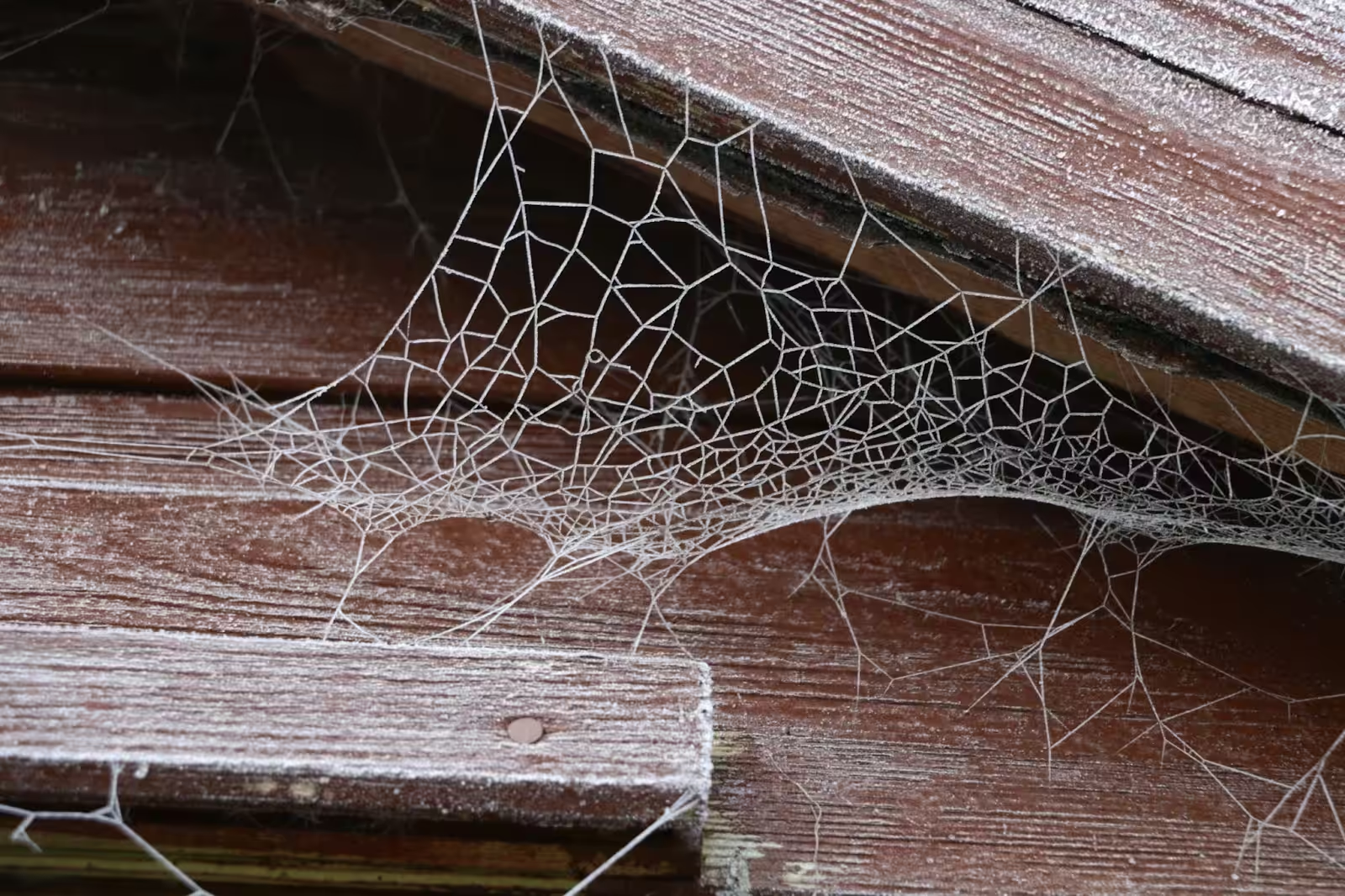
While most Pacific Northwest spiders are harmless, nobody wants eight-legged pestsmaking themselves comfortable in their living spaces. Having a good idea of what repels spiders can help you maintain a spider-free home without harsh chemicals or expensive treatments.
With Port Orchard’s mild, wet climate creating perfect conditions for spider activity year-round, knowing how to keep spiders out of your house becomes essential for every homeowner.
From natural deterrents to smart home maintenance, the right spider repellent indoor strategies can create an invisible barrier that keeps these unwanted guests outside where they belong.
What Repels Spiders: Effective Indoor Spider Repellents
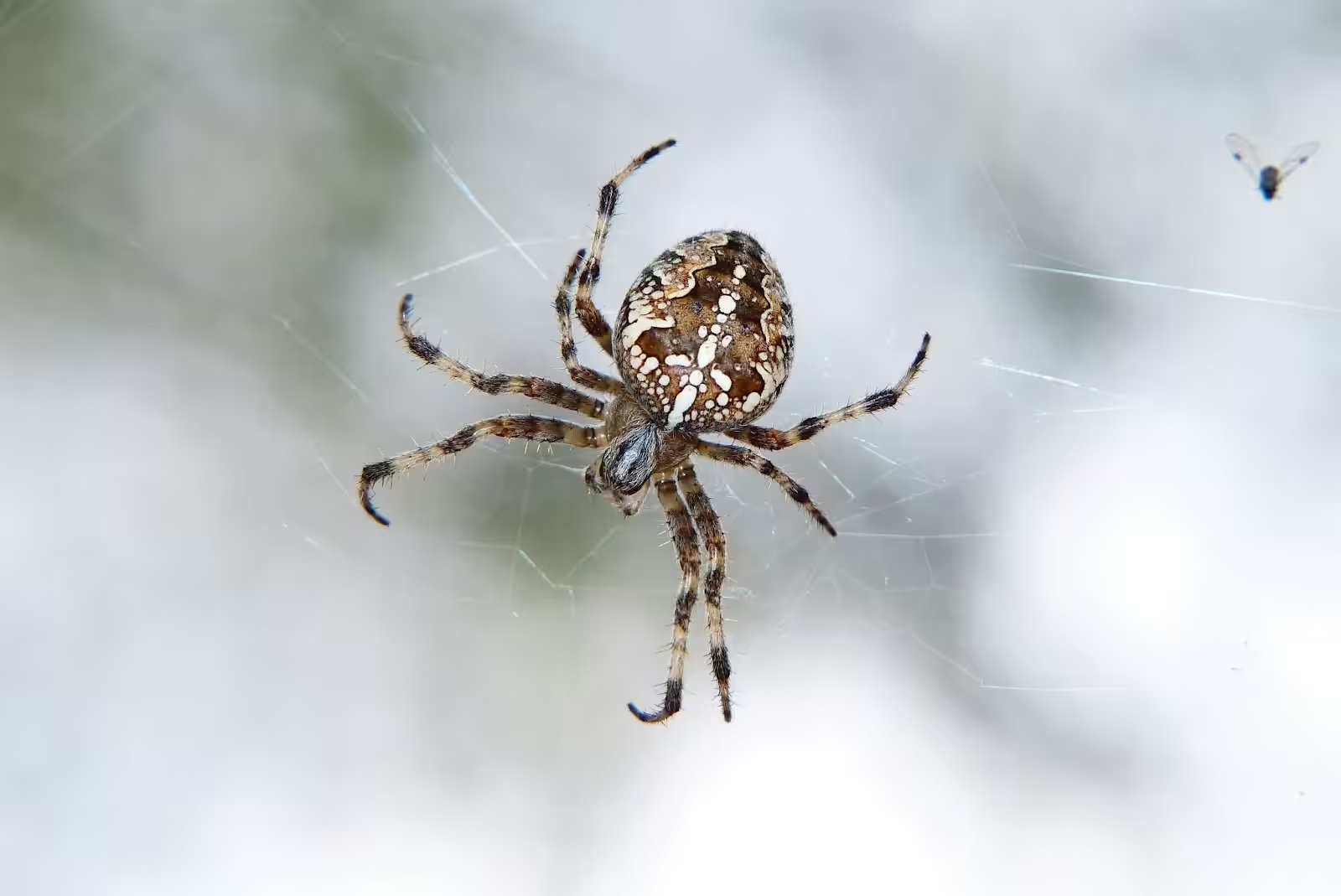
Spiders rely heavily on their sense of smell and vibration to navigate their world, making certain scents and textures powerful deterrents:
- Essential Oils: These natural oils top the list of natural spider repellents, with peppermint oil leading the charge. The menthol compound in peppermint creates an overwhelming sensory experience for spiders, essentially “burning” their sensitive leg receptors.
- Citrus Peels: Citrus peels work similarly well. Save those orange and lemon rinds from your morning routine and place them in areas where spiders typically gather. The limonene in citrus naturally disrupts spider pheromone trails, making your home less attractive to web-builders.
- White Vinegar: Vinegar serves double duty as both a cleaner and spider deterrent. A 50/50 vinegar-water solution sprayed along baseboards, window sills, and door frames creates an acidic barrier that spiders prefer to avoid.
- Diatomaceous Earth: DE offers a physical barrier approach. This fine powder, made from fossilized algae, feels like walking through broken glass to spiders and other insects. Sprinkle food-grade diatomaceous earth around entry points, but keep it away from areas where children and pets play.
Natural Spider Repellent Indoor Options That Work
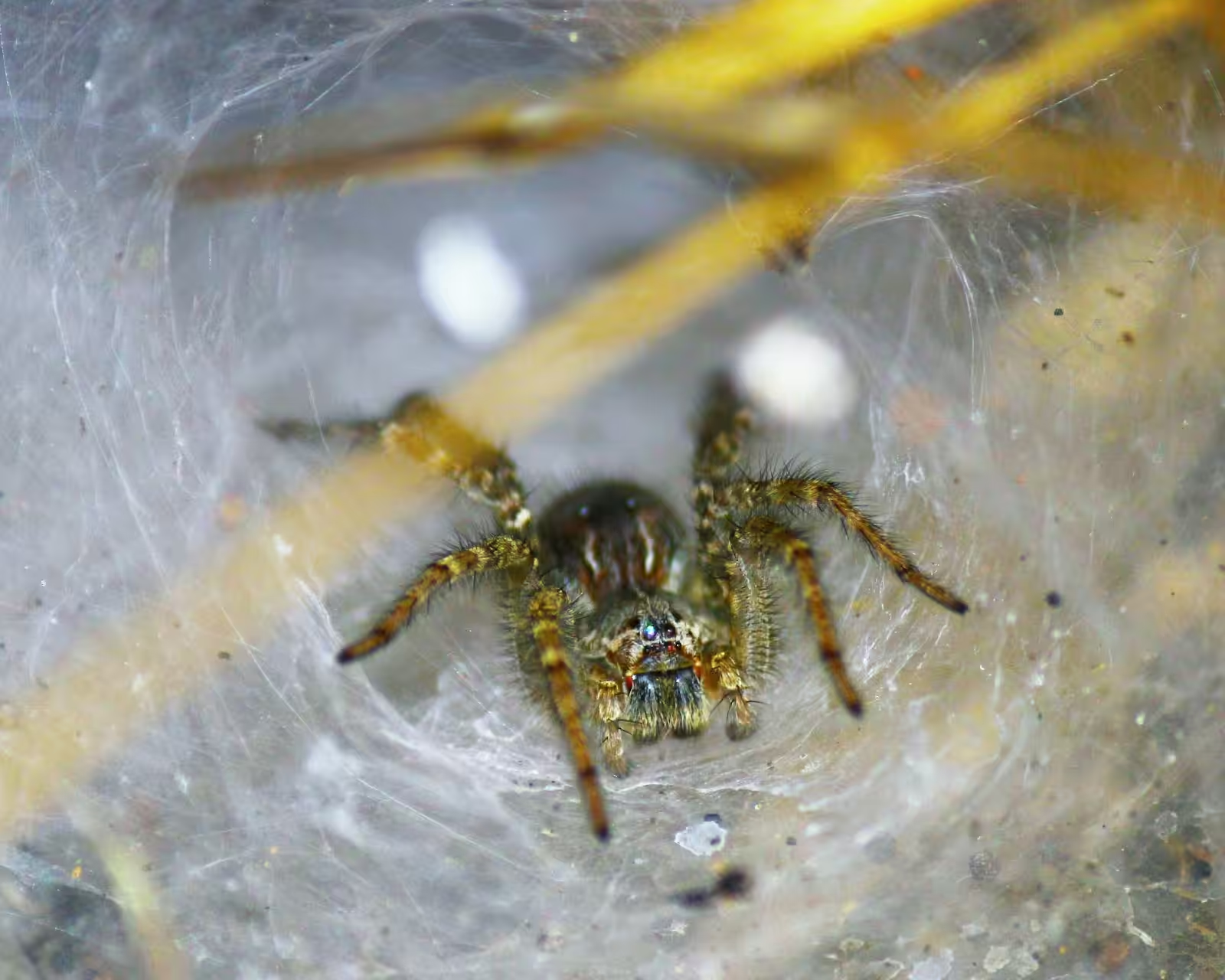
Creating your own spider repellent indoor solutions gives you control over their ingredients while protecting your family and pets from harsh chemicals. Some good options include:
- Tea Tree Oil: When mixed with water, tea tree oil creates an effective spray that also freshens your home. Mix 10-15 drops per cup of water and apply to corners, closets, and other spider-friendly areas.
- Cedar: Cedar naturally repels spiders through its aromatic compounds. Cedar blocks, chips, or essential oil provide long-lasting protection in storage areas, closets, and basements. Many Port Orchard residents place cedar sachets in their garages and sheds to prevent spider colonization.
- Chestnuts: Last but not least, chestnuts are said to offer an old-fashioned but effective deterrent. The saponins in horse chestnuts create a natural barrier that spiders dislike. You can place whole chestnuts near windows, doors, and in corners where spiders typically build webs. Replace them every few months as they dry out.
For immediate results, combine multiple natural repellents. For example:
- Create a spray using 10 drops peppermint oil, 5 drops tea tree oil, and 2 cups water
- Place citrus peels along window sills and door frames
- Sprinkle cinnamon around entry points (spiders hate the strong scent)
- Use lavender sachets in storage areas and closets
Home Maintenance Tips to Keep Spiders Out of Your House
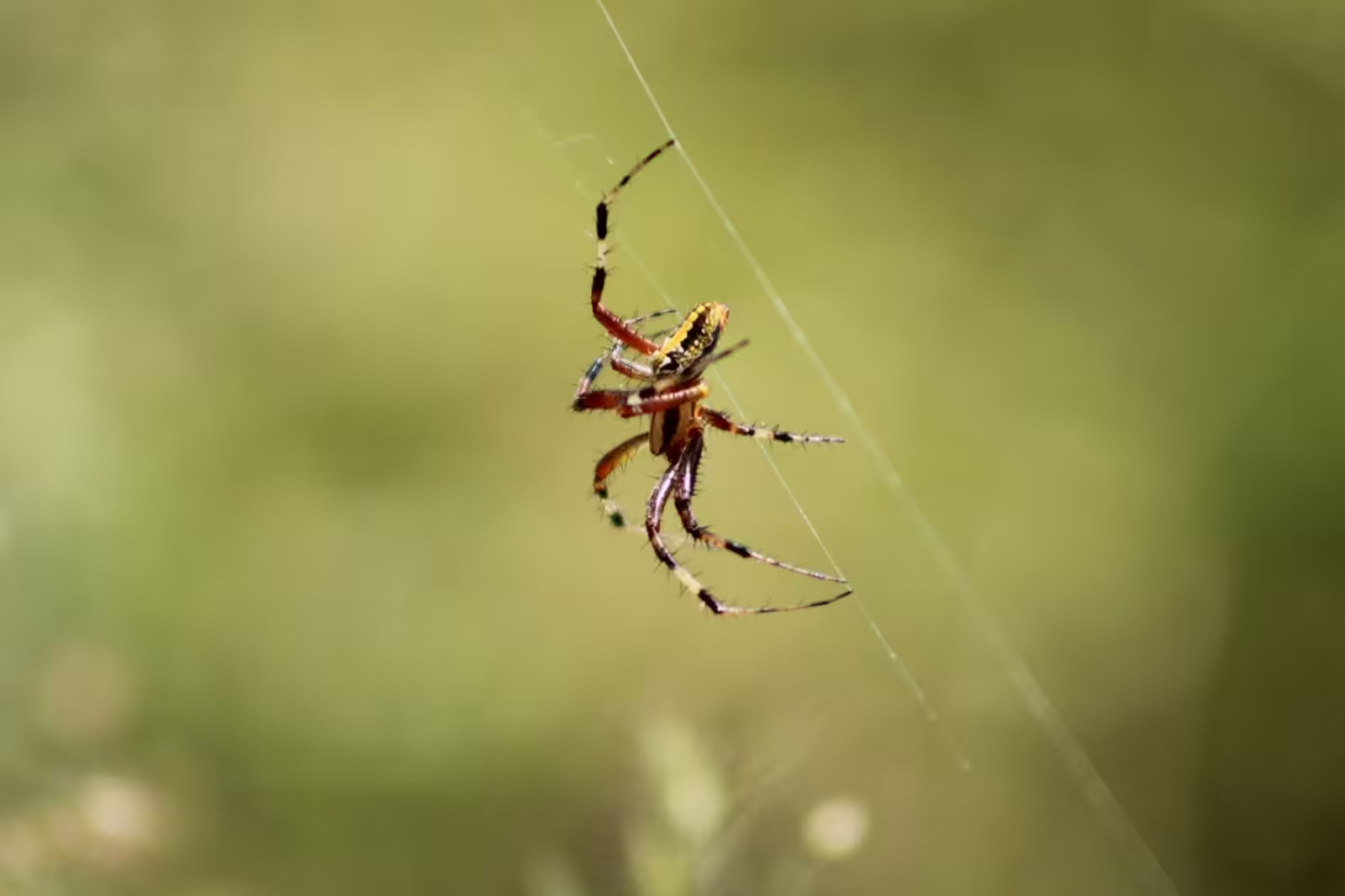
Want to know how to keep spiders out of your house? Prevention is always the best strategy. Here are some tips:
Practice Good Exclusion
Sealing entry points eliminates spider highways into your home. Check weather stripping around doors and windows, especially after Port Orchard’s wet winters when materials can shrink and crack.
Limit Outdoor Lighting
Especially near entrances, reduce outdoor lighting. While spiders don’t chase light directly, the insects attracted to porch lights and window illumination create spider buffets right outside your doors. Switch to yellow or sodium vapor lights that attract fewer insects, or install motion sensors to minimize continuous lighting.
Be Strategic With Your Landscaping
Trim vegetation away from your home’s foundation, creating a clear zone that spiders must cross to reach your walls. Remove wood piles, leaf litter, and debris where spiders shelter during the day. Since most house spiders actually live outdoors and only venture inside temporarily, eliminating outdoor hiding spots significantly reduces indoor encounters.
Vacuum Often
Regular vacuuming disrupts spider territories and removes egg sacs before they hatch. Pay special attention to corners, baseboards, and areas behind furniture where spiders prefer to build webs. The vibration from vacuuming also signals to spiders that the area receives regular human activity, encouraging them to relocate.
Did You Know?
The average home harbors over 100 different species of flies, ants, beetles, and spiders at any given time, with most living in wall voids, basements, and attics without ever encountering humans. However, fall represents peak spider activity as males venture out seeking mates, making September through November the most likely months for indoor spider encounters in the Pacific Northwest.
When to Call Port Orchard Pest Control for Lasting Spider Prevention
While DIY methods handle most spider situations effectively, certain circumstances require professional intervention. Large populations, recurring infestations, or the presence of potentially dangerous species like black widows are all situations that warrant expert assessment.
At Sentinel Pest Control, we understand Port Orchard’s unique spider challenges. Our integrated approach combines targeted treatments with habitat modification recommendations specific to your property’s needs. We focus on creating long-term solutions rather than temporary fixes, ensuring your family’s comfort and safety year-round.
Don’t let spiders turn your home into their hunting ground. Contact us today to schedule a comprehensive spider prevention assessment and reclaim your living spaces.
FAQ
What smells do spiders hate the most?
Peppermint, citrus, tea tree oil, and vinegar top the list of scents spiders actively avoid. These strong odors overwhelm their sensitive chemoreceptors and disrupt their ability to detect prey and navigate effectively.
How often should I apply natural spider repellents?
Reapply liquid repellents every 2-3 weeks or after cleaning affected areas. Solid repellents like citrus peels and chestnuts should be replaced monthly or when they dry out and lose their potency.
Do ultrasonic devices actually repel spiders?
Scientific studies show minimal effectiveness for ultrasonic spider repellents. Spiders primarily use vibration detection through their legs rather than hearing, making sound-based deterrents largely ineffective.
What’s the most effective way to prevent spiders long-term?
Combining habitat modification (sealing entry points, reducing outdoor attractants) with regular cleaning and natural repellents provides the most sustainable spider prevention approach.
Are store-bought spider sprays safer than natural alternatives?
Natural repellents generally pose fewer health risks to humans and pets, though both approaches can be effective when applied correctly. Always read labels and follow application instructions regardless of the product type chosen.