

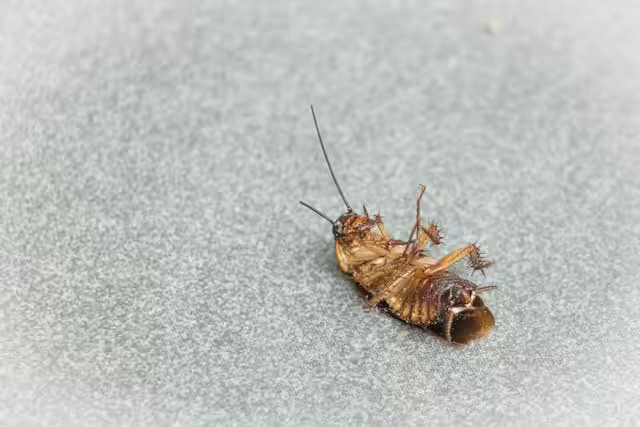
Roaches show up in clean homes because they’re after water and shelter, not just food. A dripping pipe or condensation under a sink gives them what they need, and the warm space behind a fridge does the rest. They slip through gaps as small as a sixteenth of an inch, and in Washington they push indoors harder once fall cools the weather. Finding one usually means more are already hiding nearby.
You wiped down the counters last night, took out the trash, and still found a roach darting under the stove this morning. It’s one of the more frustrating things a homeowner can run into because you did everything right. What causes roaches in a clean home usually has nothing to do with the mop.
Roaches come looking for water and warmth, and they get inside through the small gaps every house already has. In the Puget Sound area, the climate does them plenty of favors.
Moisture Is the First Thing They Find
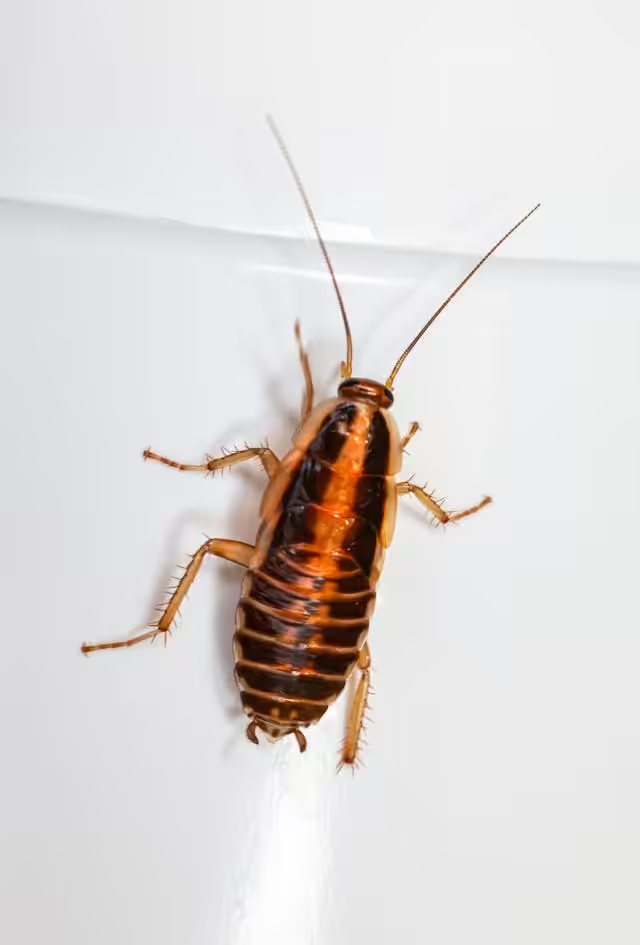
Water keeps a roach alive longer than food does. A cockroach can survive weeks without food, but only about a week without water, so the damp spots in your home are what hold them. The cabinet under a sink is the usual one. Add the seal around the bathtub and the drip tray beneath the fridge, and you’ve got the places we check first.
Where Water Collects Indoors
Most of the moisture roaches use is the kind you can’t see at a glance. Condensation builds up inside a wall of a cabinet after a hot shower. A slow drip under the kitchen sink can keep a patch of floor damp for weeks without ever pooling.
We’ve found roaches getting by on nothing more than a slow leak behind the washing machine in an otherwise dry house. Dry those spots out, and you take away the one thing a roach can’t do without.
Why There Are Roaches Around Clean Food
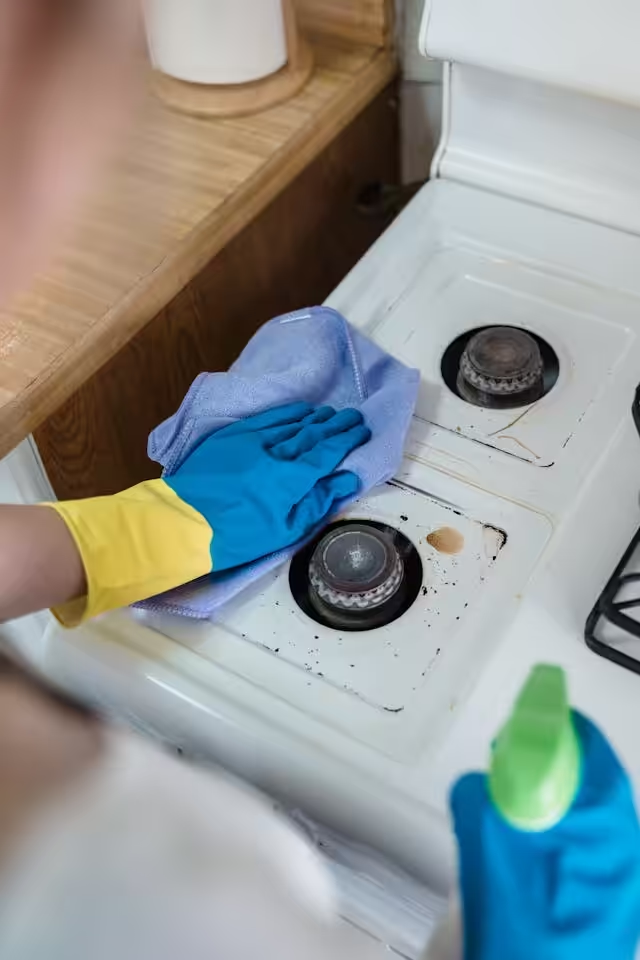
Spotless counters don’t mean there’s nothing to eat. A roach gets by on traces of food, and traces are exactly what a normal cleaning routine leaves behind. The grease baked onto the wall behind the stove is a full pantry to a roach, even in a kitchen you’d call spotless.
The surfaces you wipe every day aren’t the ones they feed from, and that gap is what keeps them around.
Spots People Miss
A handful of food sources come up over and over when we inspect clean homes:
- Grease that hardens behind and under the stove
- Pet food left in the bowl overnight
- Cardboard and paper bags, a real food source for them
- That sticky ring under the recycling bin
What Causes Roaches Through Gaps
A clean home can still be a wide-open one. Roaches are built to fit through openings you’d never think twice about, and Washington’s older housing gives them plenty. A German cockroach can flatten its body and slip through a crack most people would never take for an entry point. Once the outside cools off, those same gaps become the front door.
How Small an Opening Works
The common entry points we seal on a first visit include:
- Gaps where pipes pass through a wall under the sink
- A worn rubber seal along an exterior door
- The spot where the dryer vent meets the siding
- Cracks around a crawl space vent or access door
Fall Weather Pushes Them Indoors
Roach pressure isn’t steady all year. It climbs in late summer and early fall, right when the Puget Sound area starts cooling down, and the rain picks back up. Populations that spent the summer outdoors go looking for somewhere warm and dry, and a heated home is the obvious target.
Our mild winters don’t help, because they never get cold enough to knock roach numbers back the way a hard freeze does elsewhere. German cockroaches are the ones we see most in local kitchens, and they breed fast enough that a small problem in September becomes a real one by the holidays.
Why Washington Homes See This
There’s a reason roaches feel so at home here. The same damp, mild climate that makes the Pacific Northwest pleasant to live in is close to perfect for them. Crawl spaces remain humid throughout the wet season, and many homes around Tacoma and Puyallup sit on older foundations with numerous entry points.
If you want the fuller regional picture, we broke it down in our guide to cockroaches in Washington State. Knowing what you’re up against locally changes how you keep them out.
What Keeps Roaches Out for Good
Getting rid of roaches for good is less about one big treatment and more about closing the door on what they need to survive. Start with the water, since that’s the hardest thing for them to live without. After that, it’s steady habits and a few repairs that add up over a season.
Small Changes That Pay Off
A few things make the biggest difference:
- Dry out the damp spots, starting under sinks and around the tub
- Store pet food in a sealed container and skip the overnight bowl
- Seal the gaps around pipes and exterior doors before fall sets in
- Clean the grease behind the stove, where most kitchens never reach
If you’re not sure what you’re up against, our guide to identifying a cockroach problem walks through the signs, from droppings to the musty smell left behind by a heavy infestation.
When to Call a Professional
DIY steps handle a stray roach or two. What they don’t handle is an established German cockroach population, because the sprays you buy at the store scatter them into the walls faster than they kill them.
If you’re seeing roaches during the day, spotting egg cases (small brown capsules, each holding dozens of eggs), or catching that musty odor, the numbers are already past the point where store products help. That’s when our cockroach control team steps in with treatments that reach where they breed.
Getting Ahead of Fall: Call Sentinel Pest Control Today
Fall is the worst time to wait on a roach problem, because every week you give them is a week they spend multiplying before winter. If you’ve spotted multiple in a clean kitchen, let us take a look at them before they turn into a colony. Call us at 253-538-2576 and we’ll get you scheduled, or connect with our roach exterminator team to talk through what you’re seeing.
We handle roach control across the South Sound and greater Seattle area, including: