

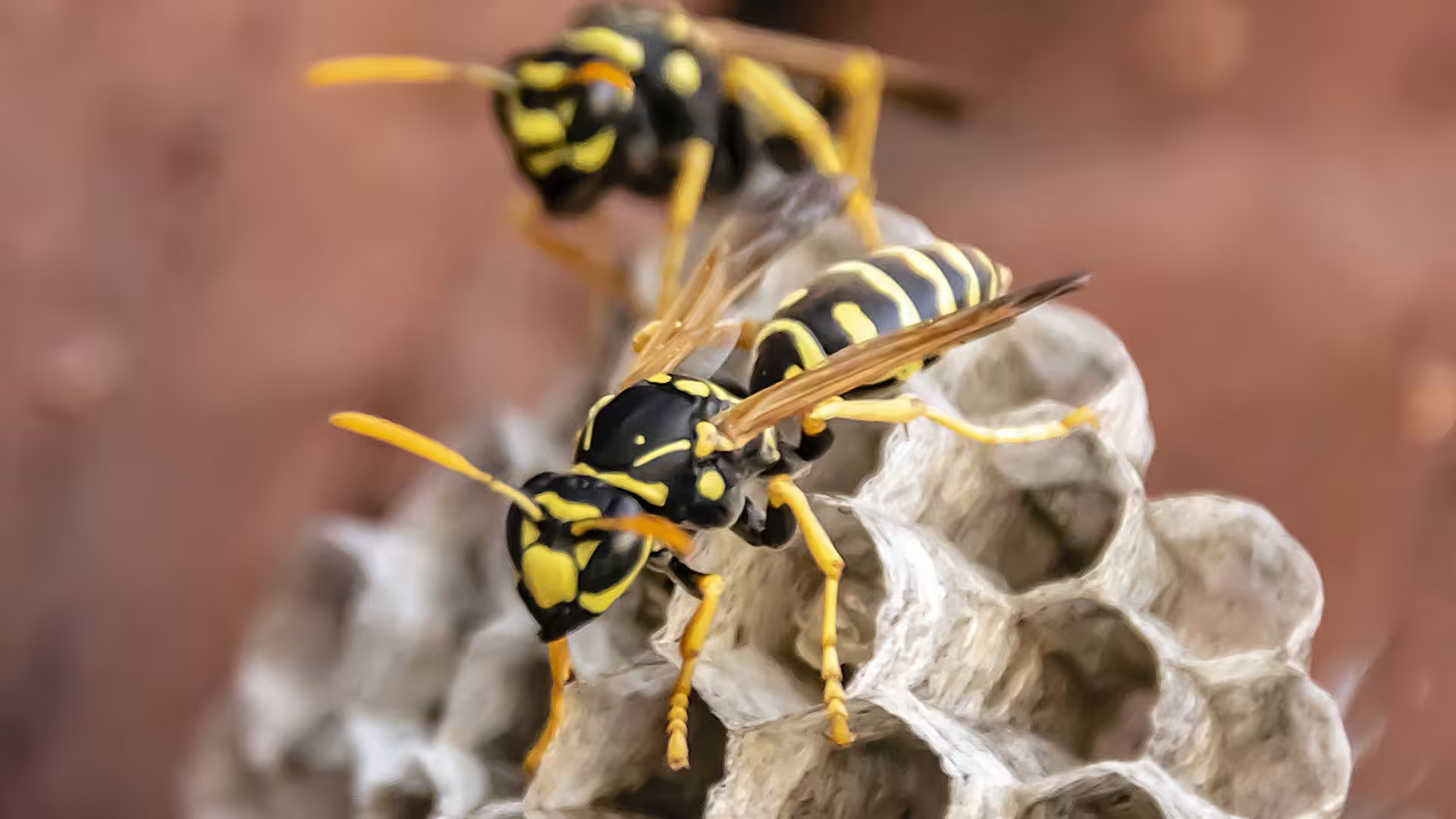
Getting them out of an attic starts with an honest answer to the fogger question: a wasp bomb rarely clears an attic nest, because the fog settles in the open space and never reaches inside the nest or the wall where the colony sits. The fix is to find the nest, treat it directly, and then seal the entrance after the colony is dead. Reaching into an active attic nest is also how people get stung the worst, so this is the one to hand to a pro. If you can hear buzzing in the ceiling or a wall, the nest is already established.
You start hearing a faint buzzing in the ceiling on a warm afternoon, and a week later it’s loud enough to catch from the hallway. Wasps in the attic are one of the calls we get most often once late summer hits, and it’s rarely a few strays.
By the time the sound carries into the living space, there’s usually an established nest up in the roof beams or inside a wall. It’s a fixable problem. It’s also the worst spot in the house to take on yourself.
Why Wasps End Up in the Attic
An attic gives a wasp queen everything she looks for in early summer. It stays warm and dry, and nothing disturbs it for months at a stretch. A queen slips in through a small gap in spring, starts a nest the size of a golf ball, and by August that same nest can hold hundreds of workers. Most homeowners never notice until the colony is big enough to hear.
How They Get In
The openings wasps use are the same ones that let heat escape, so the roof edge is full of them. Once a queen finds a good spot, the scent she leaves can draw others back to the same roof year after year. Sealing those gaps is what keeps next spring’s queen from moving into the exact place this one did.
Here’s where we find them getting in most:
- Gaps where the roof edge meets the exterior wall
- Vents under the roof overhang with torn screens
- Knotholes or cracks in the trim boards
- Any spot where a cable or pipe passes through near the roof
Why Attic Wasps Are Dangerous
A nest you can’t reach is a nest you can’t watch. Out in the yard, you see the traffic and give it room. In the attic, the colony grows behind drywall where you’ve got no read on how big it’s gotten, and the first real contact often comes when someone climbs up for holiday boxes.
Yellow jackets are the ones that make this dangerous, since they get more defensive as fall closes in and they guard their hidden nest closely. If anyone in the house reacts badly to stings, an attic colony is a real risk, not just a nuisance.
Here’s more on how dangerous yellow jackets can be once a nest sits close to living space.
When the Nest Is in a Wall
Sometimes the nest isn’t in the open attic at all. It’s in the wall space below it, and that changes the whole job. Wasps pushing toward cooler air will chew through drywall from the inside. More than once, we’ve had a homeowner call after wasps started coming out of an outlet or a ceiling light.
A nest in the wall also leaves paper and larvae (the young growing in the nest) sitting inside the insulation, so treating it and walking away can draw beetles and rodents later. That’s why a wall nest needs to be removed, not just killed in place.
Does a Wasp Bomb Work in an Attic?
This is the question we get most often before almost every attic job, and the honest answer is no, at least not on its own. A wasp bomb, or fogger, is built to fill a closed room with a fine mist that drifts down onto surfaces.
An attic isn’t a closed room. The fog spreads into the rafters and vents, settling on the insulation long before it reaches inside the nest, where the paper shell keeps the mist out and the queen keeps laying. A wasp bomb for the attic looks like it’s working, because you’ll see dead workers on the floor, but the core of the colony survives and rebuilds within days.
There’s a safety side too. Foggers are flammable, and an attic is full of wiring and hot surfaces, sometimes with a water heater or furnace up there too. Set one off up there and you’ve added a fire risk to your wasp problem.
Foggers can also drive panicked wasps down into the living space through the same gaps the fog leaks out of. That’s the opposite of what you were going for. If you’ve already tried the wasp bomb approach and the buzzing came back, that’s normal, and it isn’t something you did wrong.
How to Kill Wasps in the Attic Safely
If you do still want to give it a try before you call someone, timing and restraint matter more than any product. Most of the colony is home after dark, so late evening is the only window to go near a nest. When going after a wasp, never seal the entry hole first. It feels logical, but trapping a live colony inside sends them hunting for a new way out, and that way out is often a bedroom.
What Not to Do Yourself
These are the moves that turn a wasp problem into an emergency:
- Sealing the entry before the colony is dead
- Knocking a nest down by hand or with a broom
- Spraying up into a nest from directly beneath it
- Going into a hot attic in the afternoon, when wasps are at their most active
Even with perfect timing, an attic strips away the two things that keep you safe around a nest: room to back away and a clear path out.
How We Remove an Attic Nest
Our first move is to find the nest. We trace the entry point from outside, then pin down where the nest sits in the attic or the wall behind it, sometimes using the sound and the warmth a big colony gives off. Once we know exactly where it is, we treat it directly at the source, so the product reaches the queen and the larvae instead of only the workers flying around it.
After the colony is down, we take the nest out so it can’t rot in the insulation or draw the next pest in behind it. Then we seal the entry points the wasps were using. For paper wasp or yellow jacket nests, attic removal follows the same path once we’ve found it. That full process is what our stinging insect control work is built around.
Wasp nests don’t quiet down on their own in fall. They get more defensive as the colony matures, right up until the first hard cold, so the buzzing you’re hearing now is the best argument there is for handling it this month instead of next. If it’s coming from your ceiling or a wall, call us at 253-538-2576 and we’ll find the nest and clear it before anyone gets stung.
We remove attic wasp nests across Washington, including: