

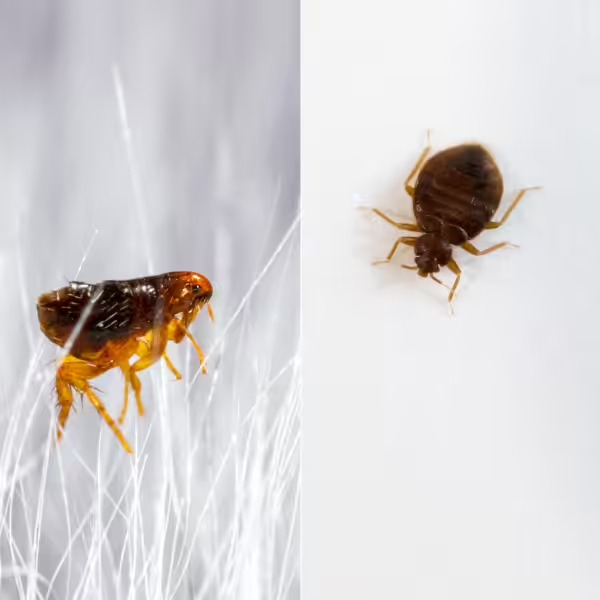
Bed bug bites usually line up in rows on skin that your sheets leave uncovered, while flea bites cluster low around the ankles. Bed bugs hide near where you sleep; fleas come from pets and live in carpet and bedding. Ankle bites plus a cat or dog usually point to fleas.
You wake up with a row of itchy welts and start searching for answers, and every result seems to contradict the last one. Sorting out bed bug vs. flea bites is one of the more common questions we get, and it matters because the two pests live in completely different places and require completely different approaches to get rid of them.
Once you know what to look for, though, the two are easier to tell apart than the internet makes it seem.
Here’s a quick side-by-side before we get into the details:
| What to Check | Bed Bugs | Fleas |
|---|---|---|
| Size and shape | Flat oval, about the size of an apple seed | Tiny and dark, smaller than a sesame seed |
| Where they bite | Arms, shoulders, and other uncovered skin | Ankles and lower legs, mostly |
| Bite pattern | A line or a tight cluster | Scattered, in small groups |
| Where they hide | Mattress seams, bed frames, baseboards | Pet fur, carpet, and pet bedding |
| How they arrive | Luggage, used furniture, travel | On cats, dogs, and other animals |
What Do Bed Bug and Flea Bites Look Like?
The bites are usually the first telling clue. Bed bug bites come in straight lines or tight little clusters, because the bug feeds, crawls a short distance, and feeds again along the same path.
Flea bites look more scattered, and they land low on the body almost every time. Both itch like crazy, but flea bites often have a small red dot in the center where the flea broke the skin.
Where the Bites Show Up
Location alone can settle the question a lot of the time. Fleas can’t climb far, so they go for whatever skin is closest to the floor, and your ankles and shins take the worst of it.
Bed bugs feed while you’re lying still, so their bites land wherever the blanket leaves you exposed, an arm outside the covers or the side of your neck. If the welts are all below your knees, you’re probably dealing with fleas.
Where Do Bed Bugs and Fleas Hide?
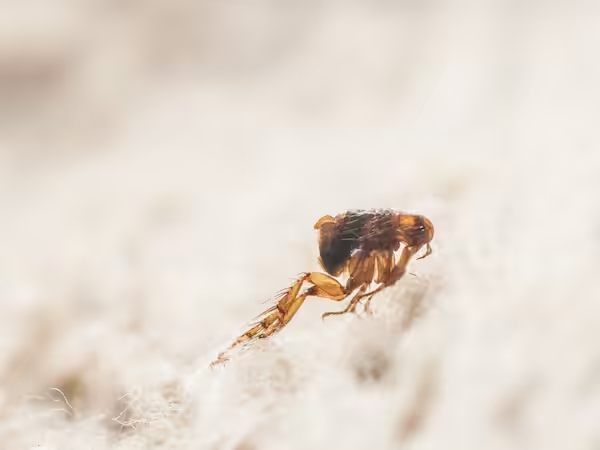
Follow the pests rather than the bites, and the answer gets even clearer. Bed bugs stay close to where you sleep, since they need you to hold still to feed. Fleas set up wherever your pet spends time, and the family cat’s favorite chair is ground zero in most flea cases. The hiding spots barely overlap, so a few minutes of looking is enough to tell which one you’ve got.
Checking the Usual Spots
When we inspect, here’s where we look first:
- The sewn seams and tags along the mattress edge
- Pet bedding, plus the carpet right around it
- Cracks in the headboard and the bed frame joints
- Anywhere your dog or cat naps during the day
How Did They Get Into Your Home?
How each pest arrives is maybe the biggest practical difference. Bed bugs are hitchhikers that travel on people and their belongings, catching a ride home from a hotel room or a used couch.
Fleas almost always come in on an animal, whether that’s your own pet or the raccoons and rodents that pass through a crawl space. If nobody in the house has traveled and the bites started after you got a new pet, that points one direction.
Pets Versus Travel
This is the part that trips homeowners up. People assume a bug problem means the house is dirty, but neither of these has anything to do with the other. A bed bug rides in on a suitcase from a spotless hotel just as easily as a grimy one. A flea hops on a well-groomed dog at the park.
If you want to get ahead of the pet side, our flea pest control guide covers what to treat on the animal and in the home.
Can You See the Difference by Size?
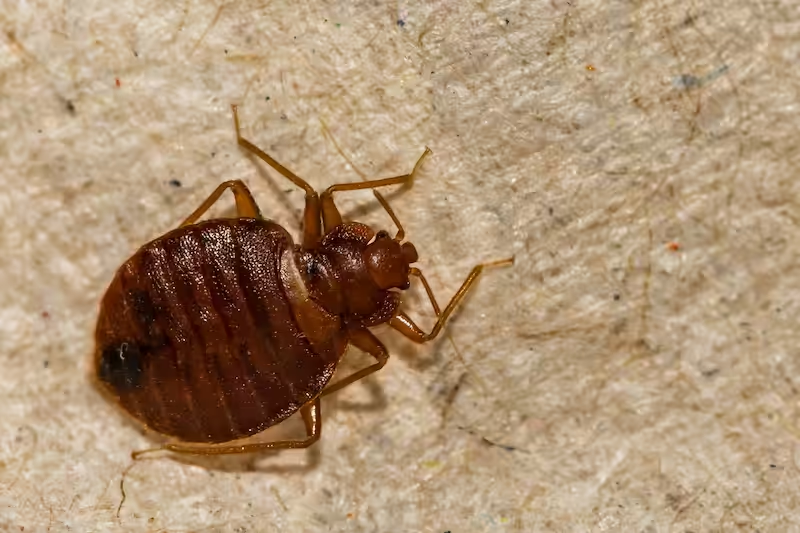
Get one under good light and the size settles it fast. A bed bug is flat and oval, close to the size of an apple seed, and reddish brown until it feeds and darkens. A flea is much smaller and looks squeezed thin from side to side, the shape that lets it slip through fur.
Fleas also jump, and they jump a long way, so if the speck you spotted vanished with a hop, that was a flea. A bed bug can’t do that at all, and it won’t move much faster than a slow crawl even when you go after it.
What to Look for Up Close
A magnifying glass helps more than you’d think here. Bed bugs have no wings and can’t jump, so they crawl, slow and steady, when you disturb them. Fleas are built for movement and will launch out of sight before you get a good look. Color is the other tell, since a well-fed bed bug turns rusty red while fleas stay dark brown to black.
Which One Are You Dealing With?
Put the clues together and the picture comes together fast. Ankle bites plus a pet in the house, along with dark specks that jump, add up to fleas. Bites in a line across exposed skin, plus reddish bugs tucked into a mattress seam, point to bed bugs.
When it’s still not clear, that’s the moment to stop guessing, because treating for the wrong pest wastes weeks and lets the real problem grow. For bed bugs, our bed bug control team can confirm an infestation and properly treat it. If it turns out to be fleas, we can help get rid of fleas throughout the home, not just on your pet.
When to Get a Professional ID
A quick inspection takes the guesswork out, and there are a few times it’s worth calling us in:
- When the bites keep coming after you have treated the pet
- Recurring welts with no clear source
- Signs turning up in more than one room
- Any time you need a straight answer before spending money on treatments
Waking up to bites you can’t explain is the kind of thing that keeps people up the next night too, and you shouldn’t have to play detective with your own skin. Let us identify what’s biting and handle it right the first time. Call 253-538-2576 to set up an inspection, and we’ll tell you exactly what you’re dealing with.
We help homeowners with bed bugs and fleas across the Puget Sound area, including: