

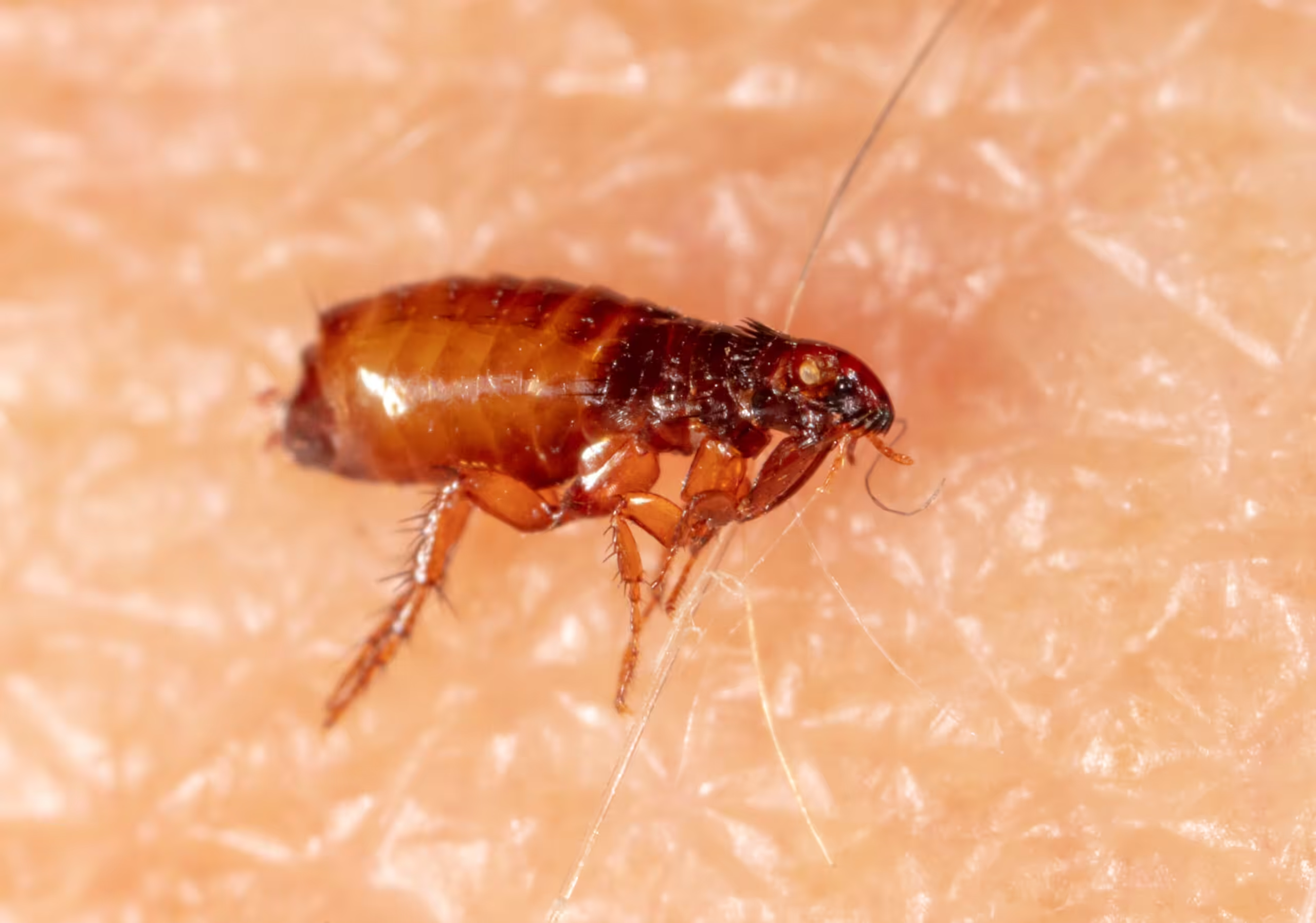
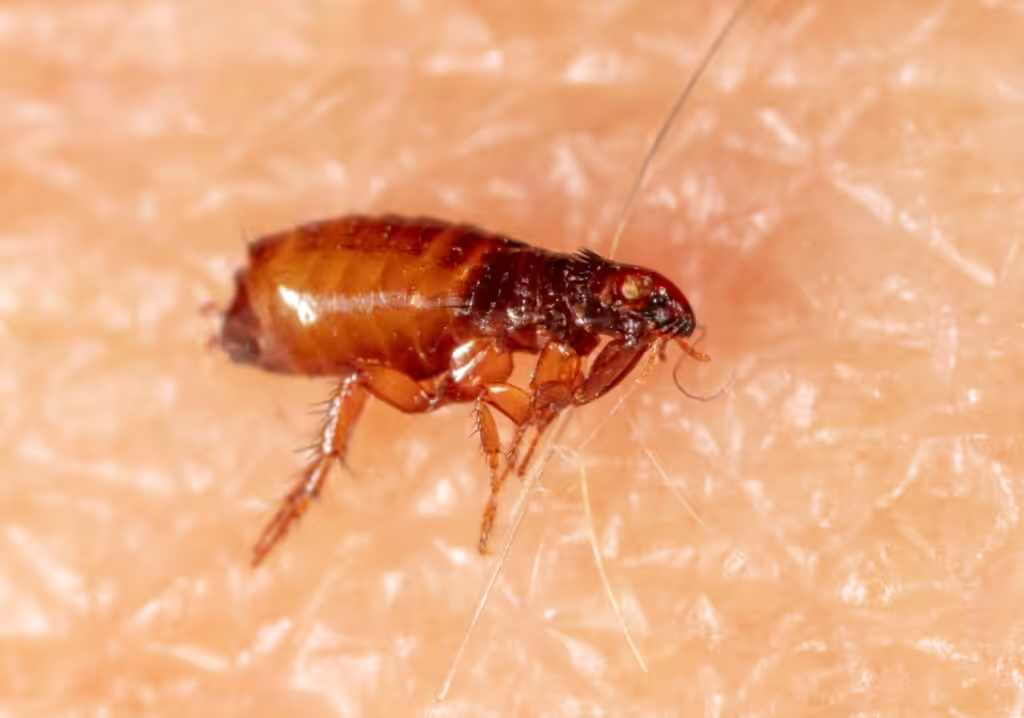
A single female flea can lay up to 50 eggs per day. Within weeks, a handful of fleas can become thousands—spread across carpets, furniture, pet bedding, and yard spaces. Most homeowners discover an infestation only after it has taken hold, when pets scratch relentlessly and tiny dark specks appear on light-colored surfaces.
Fleas thrive in conditions that many regions provide year-round. Understanding their behavior across seasons, protecting pets with proven methods, maintaining outdoor spaces, and committing to ongoing prevention can stop infestations before they start. This guide covers the full cycle—from environmental triggers to daily habits—so you can build a defense that works.
Seasonal Flea Activity & Risk Calendar
Fleas depend on warmth and humidity to complete their life cycle. Eggs hatch into larvae, larvae spin cocoons and become pupae, and pupae emerge as adults ready to feed. Each stage requires specific conditions. When temperatures range between 65°F and 80°F and humidity stays above 50%, fleas develop rapidly. When conditions fall outside that range, their development slows or pauses.
Understanding how flea activity changes throughout the year helps you time your prevention efforts and stay ahead of infestations.
Spring marks the start of rising activity. As temperatures climb and rainfall increases, dormant pupae sense warmth and vibration, triggering emergence. Fleas that survived winter in protected spaces—basements, crawl spaces, and pet areas—become active. By late spring, outdoor populations begin to grow in shaded, moist areas where wild animals pass through.
Summer brings peak activity. Heat and humidity accelerate reproduction. A flea can complete its life cycle in as little as two to three weeks during these months. Pets spend more time outdoors, increasing their exposure. Yards with dense vegetation, leaf piles, and animal traffic become hot zones. Infestations spread quickly when fleas hitch rides indoors on pets, clothing, or shoes.
Fall sees continued activity, though cooler nights begin to slow reproduction. Fleas still thrive in warm microclimates—sunny patches, sheltered corners, and indoor spaces with steady heat. Many homeowners mistakenly believe the problem ends with the first frost, but fleas can survive in protected environments well into late autumn.
Winter reduces outdoor populations in most regions, but it does not eliminate the threat. Fleas persist indoors where central heating maintains favorable conditions. Homes with pets remain vulnerable throughout the season. In warm, humid climates like the Gulf Coast and parts of the Southwest, outdoor flea activity continues with little interruption. Year-round prevention becomes necessary in these areas.
Pets & Fleas — Best Practices for Protection
Pets serve as both hosts and transport. A single outdoor excursion can introduce fleas into your home. Consistent prevention stops infestations before they begin.
Primary Prevention Methods
Three main treatment types protect pets from fleas. Each works differently, and choosing the right option depends on your pet’s needs and lifestyle.
- Topical treatments apply directly to the skin, usually between the shoulder blades. These products kill adult fleas on contact and often include insect growth regulators that prevent eggs and larvae from developing. Application should follow the product’s schedule—monthly for most formulations. Incorrect placement or missed doses reduce effectiveness.
- Oral medications work from the inside. Pets ingest a tablet that enters the bloodstream. When a flea bites, it consumes the active ingredient and dies within hours. Some oral products also target flea eggs, breaking the reproductive cycle. These treatments require precise dosing based on weight and should be administered consistently.
- Flea collars release active ingredients over several months. Quality collars provide continuous protection and work well for pets that resist topical or oral treatments. Collars should fit snugly without causing discomfort, and they must remain on the pet at all times to maintain effectiveness.
No treatment works in isolation. Consult a veterinarian to select the right product for your pet’s age, weight, and health status. Avoid mixing products without professional guidance—combining treatments can lead to overdose or reduced effectiveness.
Supporting Habits That Break the Cycle
Prevention treatments work best when combined with regular grooming and cleaning routines.
- Weekly grooming with a fine-toothed flea comb checks for adult fleas and flea dirt—digested blood that appears as dark specks. Comb slowly through the fur, paying attention to the neck, belly, and tail base. If you find evidence of fleas, increase combing frequency and wash the comb in hot, soapy water after each use.
- Regular bedding maintenance kills fleas at all life stages. Wash pet bedding, blankets, and toys in hot water every one to two weeks. Dry items on the highest setting your fabrics can tolerate. For items that cannot be washed, seal them in plastic bags for two weeks to suffocate any fleas present.
Landscape & Yard Management
Outdoor spaces provide fleas with everything they need: shade, moisture, and access to hosts. Yards with overgrown vegetation, standing water, and wildlife traffic become breeding grounds. Strategic maintenance makes your property less hospitable to fleas and reduces the chance they’ll migrate indoors.
Essential Yard Maintenance Steps
Regular outdoor care disrupts flea habitat and limits their ability to reproduce.
- Keep grass short. Mow the lawn regularly and maintain a low height. Fleas avoid direct sunlight and prefer tall grass where they can stay cool and hidden. Short grass reduces habitat and exposes fleas to drying conditions that kill them.
- Remove shade and debris. Trim shrubs and clear leaf piles, grass clippings, and wood stacks. These materials create shaded, humid microclimates that fleas need to survive. Remove debris promptly and keep mulch layers thin. Refresh mulch periodically to prevent moisture buildup.
- Limit wildlife access. Raccoons, opossums, feral cats, and rodents carry fleas and deposit them in your yard. Install fencing to block entry points. Secure garbage cans with tight-fitting lids. Avoid leaving pet food outdoors, which attracts animals and increases flea exposure.
- Control moisture. Fix leaky hoses, redirect drainage away from the house, and fill low spots where water pools. Fleas need humidity to survive. Drier yards discourage infestations and make conditions inhospitable for larvae.
Professional yard treatments target flea populations at multiple life stages. Technicians apply barrier treatments to shaded areas, under decks, around foundations, and along fence lines—places where fleas concentrate. These treatments reduce populations before fleas migrate indoors. When combined with lawn maintenance, yard treatments create an effective barrier.
Long-Term Prevention & Monitoring
Visible fleas represent a fraction of the total population. For every adult flea you see, dozens of eggs, larvae, and pupae remain hidden in carpets, cracks, and furniture. Prevention must continue after adults disappear.
Daily and Weekly Prevention Habits
Consistent indoor maintenance targets fleas at every life stage and prevents reinfestation.
- Vacuum thoroughly and frequently. Clean floors, furniture, and pet resting areas at least twice per week. Use a vacuum with strong suction and a HEPA filter. Pay attention to baseboards, under cushions, and along edges where larvae hide. Empty the canister or replace the bag immediately after each use. Seal the contents in a plastic bag and dispose of it outside to prevent fleas from escaping.
- Wash fabrics in hot water. Launder bedding, throw rugs, and pet linens weekly. High heat kills fleas at all stages. Dry items thoroughly on the hottest setting. For upholstered furniture, use a steam cleaner periodically to reach deep into fibers where eggs and larvae settle.
- Clean pet zones daily. Wipe down crates, carriers, and feeding areas. Shake out pet blankets outdoors before washing. Inspect your pet’s favorite spots—under furniture, near windows, and in quiet corners—for signs of flea activity.
Monitoring for Reinfestation
Early detection stops small problems from becoming large ones. Simple monitoring methods help you spot fleas before they spread.
- Use sticky traps. Place them near pet bedding and along baseboards. Check traps weekly. If you find fleas, increase cleaning frequency and reapply preventive treatments.
- Inspect pets regularly. Use a flea comb to check for adults and flea dirt. Examine areas where fleas congregate—neck, belly, and tail base.
Prevention does not end after treatment. Fleas in the pupal stage can remain dormant for months, emerging only when they detect warmth, carbon dioxide, or vibration. Continue vacuuming, washing, and monitoring until several months have passed without any sign of fleas.
When to Call Professionals
Professional help becomes necessary in specific situations:
- Infestations persist despite consistent prevention efforts
- Fleas spread to multiple rooms or throughout the home
- You cannot identify the source of the infestation
- Pets continue to show signs of fleas after treatment
Pest control technicians use targeted treatments that reach hidden life stages and provide follow-up services to ensure complete elimination.
Myths & Misconceptions
Misconceptions about fleas lead to incomplete prevention and recurring infestations. Correcting these myths helps you build an effective strategy.
- Myth: Fleas die in winter. Fleas reduce activity in cold weather, but they survive indoors where temperatures remain stable. Homes with pets can sustain infestations year-round. Outdoor populations in warm climates never go dormant.
- Myth: Natural remedies always work. Essential oils, diatomaceous earth, and herbal collars may repel some fleas, but they do not kill eggs or larvae. These methods work best as supplements to proven treatments, not replacements.
- Myth: Vacuuming once solves the problem. Vacuuming removes some fleas, but eggs and pupae remain embedded in fibers. Regular vacuuming over weeks disrupts the life cycle and gradually reduces populations.
- Myth: Outdoor pets are the only risk. Indoor pets can pick up fleas from visiting animals, secondhand furniture, or fleas carried indoors on shoes and clothing. All pets need prevention, regardless of their lifestyle.
- Myth: You only need treatment when you see fleas. By the time you notice adult fleas, an infestation has already developed. Prevention works best when applied before fleas appear.
An integrated approach—combining pet treatments, yard maintenance, indoor cleaning, and monitoring—addresses fleas at every life stage and prevents reinfestation.
Take Control of Flea Prevention
Fleas are resilient, adaptable, and capable of thriving in most environments. They exploit small gaps in prevention and multiply quickly. Success comes from understanding their behavior, protecting pets consistently, maintaining yards, and committing to long-term monitoring.
Prevention requires effort, but it eliminates the frustration, discomfort, and cost of recurring infestations. When you need expertise, support, or a comprehensive approach, professional pest control provides solutions that work.
Sentinel Pest Control offers thorough flea inspections and customized treatment plans that address your home, yard, and pets’ needs. Our team identifies problem areas, applies targeted treatments, and provides guidance for ongoing prevention. Schedule your flea inspection today and take the first step toward a flea-free home.