

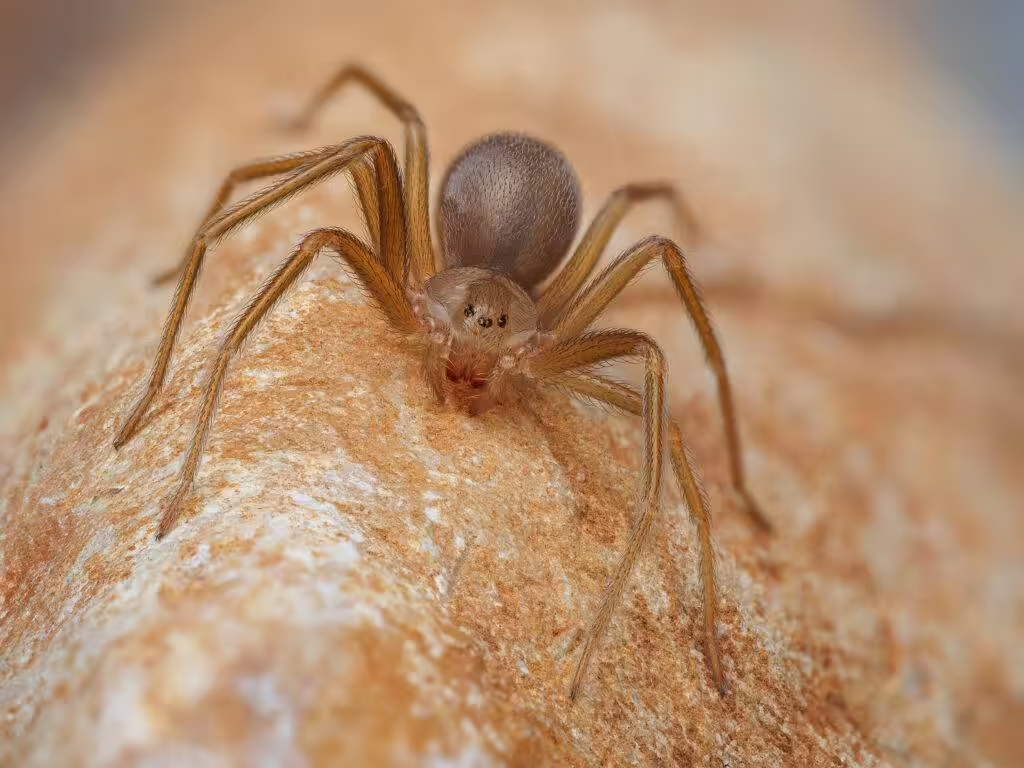
Many Washington residents worry when they hear about brown recluse spiders, even though the species is not native to the state. Most suspected sightings turn out to be harmless local spiders. Still, learning how these spiders look and behave helps reduce confusion and gives homeowners confidence in keeping their space safe. Many people also explore natural approaches like essential oils that deter spiders to reduce overall activity indoors.
What Does a Brown Recluse Look Like?
Brown recluses have distinct features that set them apart from local Washington spiders:
- A dark violin-shaped marking on the back
- Tan to dark-brown coloring
- Six eyes arranged in three pairs
- Long, thin legs with fine hairs
- A plain abdomen without stripes or patterns
Because many Washington homes deal with common house spiders, homeowners often look for effective deterrents for spiders to prevent unwanted surprises.
How Big Is a Brown Recluse?
These spiders are small. Their bodies range from a quarter to three-quarters of an inch, and with legs extended, they reach about the size of a quarter. Their compact build allows them to hide inside boxes, shoes, clothing, and stored items. This leads many homeowners to wonder whether it’s better to get rid of spiders through DIY methods or professional intervention. Their quiet behavior also leads people to ask whether spiders learn your daily routine when they appear at predictable times.
Where Do Brown Recluse Spiders Live?
If brown recluses occur in Washington, they hide in sheltered, undisturbed areas:
- Basements and crawl spaces
- Attics and storage areas
- Closets and wardrobes
- Behind furniture
- Boxes, bags, and stored clothing
Outdoors, they hide under rocks, firewood, and dry debris. Many homeowners focus on what repels spiders and how to keep them out of your home to prevent encounters with more common species.
Are Brown Recluse Spiders Deadly?
While bites can cause harm, fatal cases are extremely rare. Most bites result in mild symptoms and heal on their own. Severe reactions depend on venom amount, health conditions, and how quickly someone receives care. Many suspected recluse bites in Washington are unrelated to this species, especially since jumping spiders—another frequently misidentified species—often lead people to wonder whether jumping spiders are poisonous.
What Does a Brown Recluse Bite Look Like?
A bite may go unnoticed at first, followed by gradual irritation. Symptoms may include:
- A red-white-blue color pattern
- A pale center with reddened edges
- A blue or purple outer ring
- Blistering within 24–48 hours
- Tenderness or tissue breakdown in severe cases
Misdiagnosis is common. Some residents compare symptoms to those associated with a black widow spider bite for clarity.
How to Treat a Brown Recluse Spider Bite
This information is educational only—seek medical care for suspected bites.
Cleaning the wound, applying a cold compress, elevating the affected area, and monitoring symptoms are common first steps. Medical attention becomes necessary if swelling increases, fever develops, or the wound expands. Early care produces the best outcomes.
How to Get Rid of Brown Recluse Spiders
Even though brown recluses are rare in Washington, spider prevention benefits every home. Reducing clutter, sealing gaps, storing items in sealed containers, and vacuuming hidden areas limit places where spiders hide. Homeowners dealing with frequent sightings often explore spider control services to reduce ongoing indoor spider activity.
Protect Your Home with Sentinel Pest Control
Understanding spiders is helpful, but professional support provides peace of mind. Sentinel Pest Control delivers spider inspections, targeted treatments, and preventive services designed for Washington homes. Whether you’re responding to recent activity or want proactive protection, Sentinel Pest Control has the expertise to keep your space safe. Contact Sentinel Pest Control today to schedule an inspection and visit the full page to learn more.