

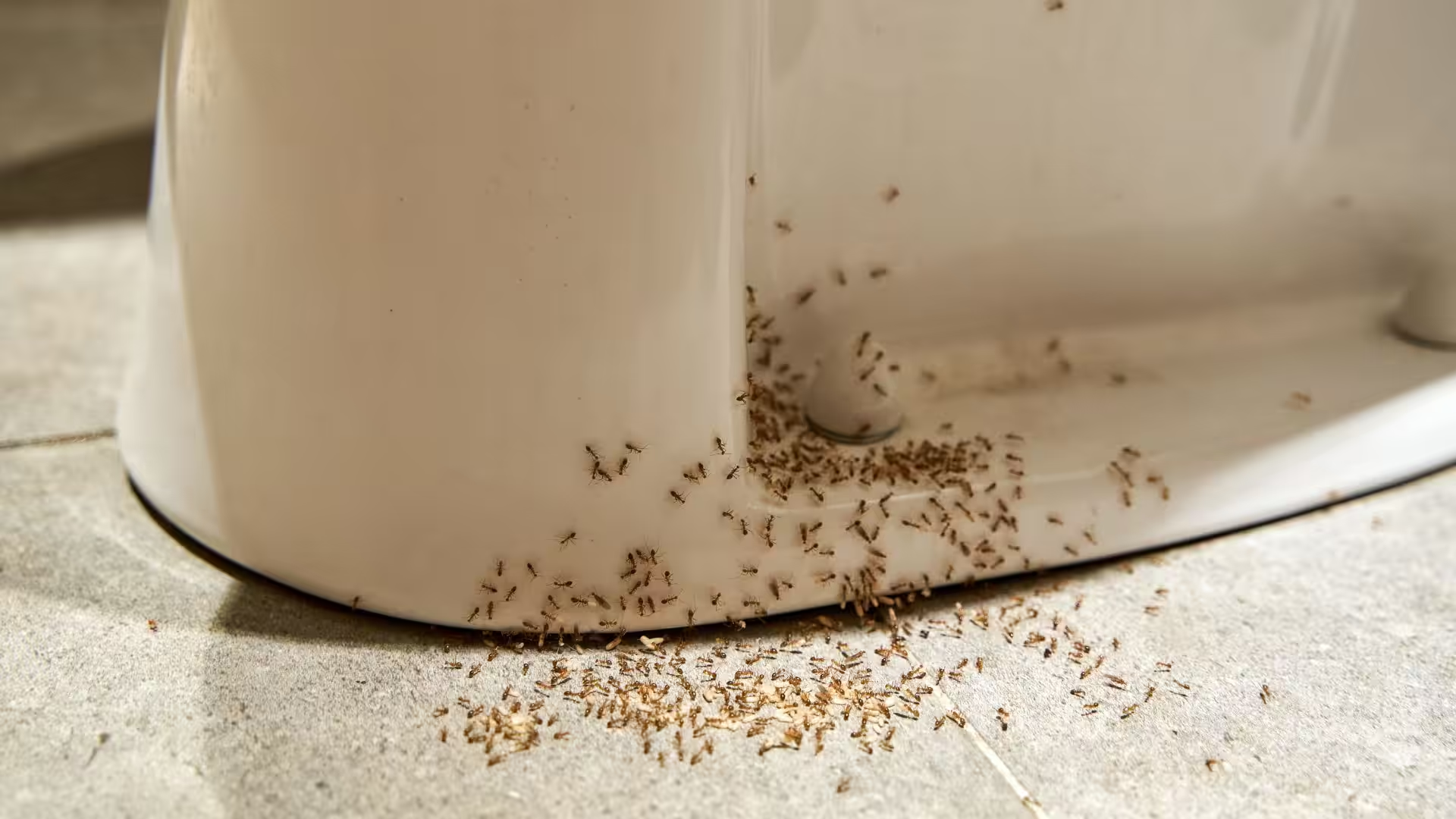
Finding ants in your bathroom catches most Washington homeowners off guard. Kitchens make sense, but bathrooms? Quite strange.
Ants follow moisture, not just food, and Pacific Northwest homes stay damp enough to attract them year-round. Knowing what’s drawing them in and where they’re entering is what separates a permanent fix from a temporary one.
Bathroom Moisture and Ant Attraction
Moisture is the primary reason ants come inside your house and head straight for the bathroom. Leaky pipes, condensation around fixtures, slow drains, and poor ventilation all create the damp conditions ants actively seek out. What attracts ants in your bathroom has less to do with food and more to do with water access and humid air.
Small ants in bathrooms, like odorous house ants and moisture ants, are especially drawn to wet wood and warm, humid spaces. If water pools under your sink or condensation builds consistently around your tub, you’re giving them a reason to stay and scout further.
Wood ants in your house can signal something more serious, including water-damaged or rotting structural material behind walls or beneath flooring that needs attention beyond pest treatment alone.
Addressing moisture first matters because any treatment you apply without fixing it becomes a short-term patch, not a real solution.
Ant Trails and Entry Points
Ants don’t explore randomly. Scouts lay chemical trails for the colony to follow, so a line of black ants or tiny ants moving across your bathroom floor has a clear starting point somewhere nearby. Common entry points include:
- Gaps around pipes under the sink or behind the toilet
- Cracked grout or deteriorating caulk around the shower and tub
- Ants coming out of the shower drain or floor drain openings
- Openings where plumbing lines meet walls or baseboards
Identifying ant types narrows down where they’re nesting and how serious the problem is. Odorous house ants nest inside walls close to moisture. Pavement ants work their way up through foundation cracks.
Carpenter ants, larger and slower-moving, almost always connect to wood damage somewhere in the structure. Ants in your shower or ants in your tub often mean the entry point sits directly beneath or behind the fixture itself.
Follow the trail back to its source rather than only targeting what you can see. Surface-level elimination doesn’t touch the colony.
DIY Ant Traps, Baits, and Natural Repellents
For a manageable ant problem in your house, several approaches work well before calling in a professional. DIY ant killer methods fall into two categories: slow-acting baits designed to reach the colony, and repellents that block or redirect trail activity.
Bait-based methods tend to outperform repellents for ant extermination DIY purposes. Slow-acting options, like borax combined with sugar water on a cotton ball, allow worker ants to carry poison back to the nest before it takes effect. Place bait along active trails where you’ve seen movement, not scattered across random surfaces.
Natural ant repellents that hold up well in bathrooms include:
- White vinegar wiped along trail lines and around entry points
- Peppermint essential oil applied near pipe gaps and cracks
- Diatomaceous earth dusted around drain openings and under the sink cabinet
- Cinnamon or clove near baseboards as a passive deterrent
For the best ant control results with a DIY approach, consistency matters more than volume. Reapply repellents every few days and swap out bait stations once they’ve been depleted. Keep in mind that DIY ant killer works best after you’ve sealed entry points and corrected any moisture issues.
If you’re unsure whether the ants you’re dealing with pose a broader risk beyond annoyance, understanding how different ant species can affect your home helps you gauge how aggressive your treatment needs to be.
Long-Term Ant Prevention in Bathrooms
Treating an active infestation clears the immediate problem. Keeping ants out long-term requires consistent upkeep:
- Reseal caulking around tubs, showers, and sinks every year
- Fix leaky pipes and water damage as soon as you find them
- Run exhaust fans during and after every shower to reduce humidity buildup
- Clear drains of hair and organic material regularly
- Inspect under-sink cabinets monthly for moisture or early ant activity
Best ant pest control outcomes come from pairing treatment with prevention. A dry, well-sealed bathroom gives ants no foothold and no reason to return.
When to Call Professional Pest Control
DIY methods handle light to moderate activity well. Deeper infestations need more than bait stations and vinegar. Call a professional when:
- Ants keep returning after several rounds of treatment
- Large ants suggest carpenter ant activity and possible wood damage
- Ants coming out of the shower drain or walls point to a nest inside the structure
- You can’t locate the colony or confirm the entry point after a full inspection
Sentinel Pest Control’s ant management process is built around species identification, colony location, and treating at the source rather than managing surface-level symptoms.
Keep Ants Out for Good with Sentinel Pest Control
An ant problem in your house doesn’t have to be something you deal with every season. With targeted ant pest control and the right prevention habits in place, your bathroom stays clear year-round. Sentinel Pest Control serves Washington homeowners with solutions built around root causes, not just visible activity.
Contact Sentinel Pest Control today and get a plan that holds.