

Termites are experts at staying hidden. Because they work quietly and out of sight, infestations often go unnoticed for months or even years. Unfortunately, by the time damage becomes obvious, repairs can be extensive and costly.
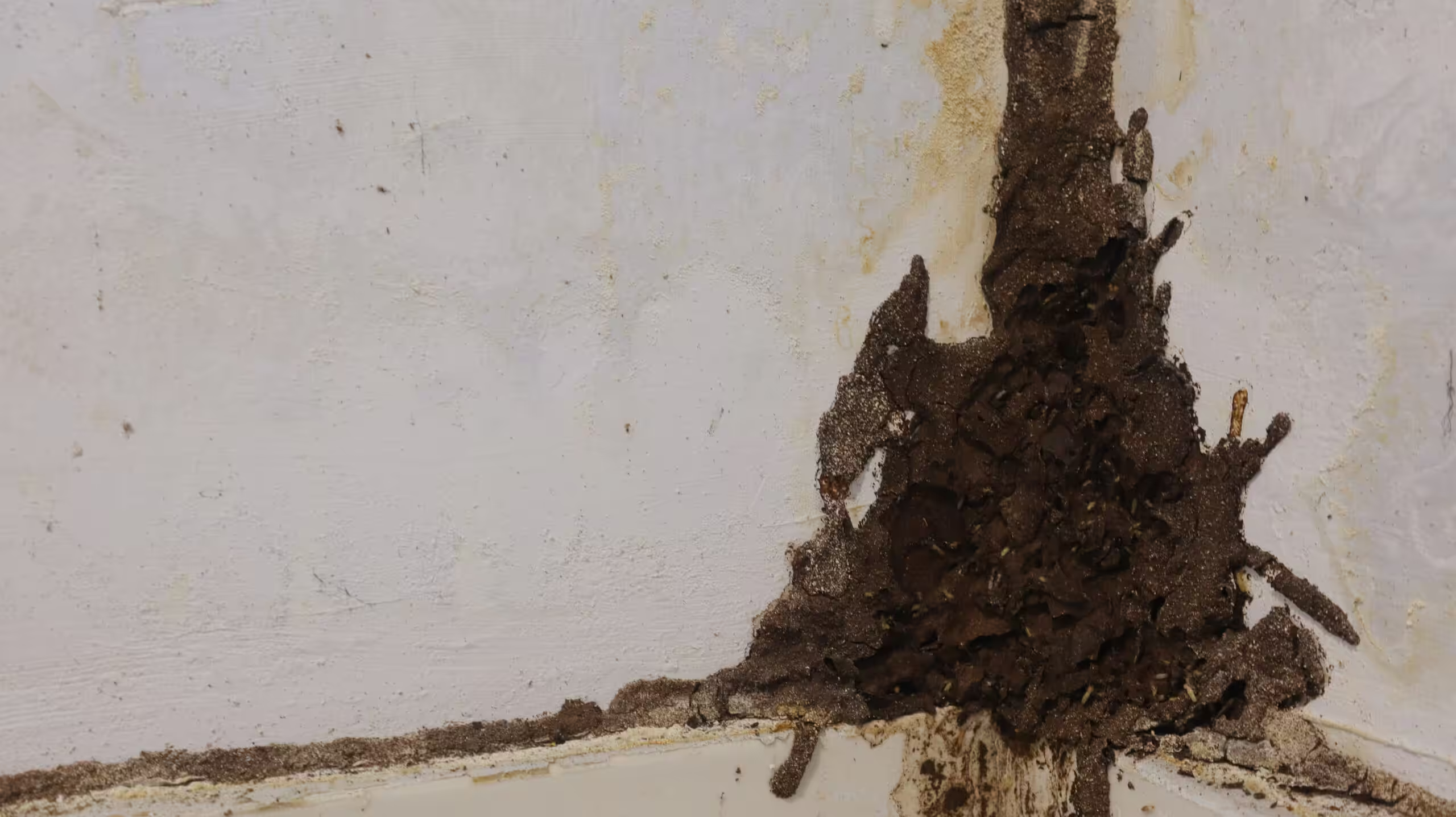
One of the clearest warning signs of an active subterranean termite infestation is the presence of termite tubes. These structures are often overlooked or mistaken for harmless mud or debris. However, termite tubes are not random dirt buildup. They signal ongoing activity and feeding.
Early identification plays a major role in limiting structural damage. This guide explains what termite tubes are, how to identify them correctly, common look-alikes, what attracts termites to homes, why DIY solutions fail, and when professional termite control is necessary.
What Termite Tubes Are and Why They Matter
Termite tubes, also known as shelter tubes or mud tubes, are protective passageways built by subterranean termites. These insects require moisture to survive. Because exposure to open air dries them out, they construct tubes to travel safely between their underground nests and wood food sources.
The tubes are made from a mixture of soil, termite saliva, and digested wood. Over time, this mixture hardens into a clay-like structure. Tube color varies depending on the surrounding soil and may appear brown, tan, gray, or even orange.
Termite tubes are commonly found in areas such as:
- Foundations and slab edges
- Interior walls and ceilings
- Crawlspaces and basements
- Utility entry points and plumbing penetrations
The presence of tubes almost always indicates a live, feeding termite colony. In many cases, internal damage has already begun by the time tubes become visible.
Types of Termites Homeowners Should Know
Understanding the differences between termite species helps clarify why tubes appear and what they mean.
Subterranean Termites
Subterranean termites live in soil and depend heavily on moisture. Because of this, they build visible termite tubes to reach wood above ground. These colonies can grow very large, sometimes numbering in the hundreds of thousands.
They are responsible for most termite tube sightings. When homeowners discover mud tubes, subterranean termites are usually the cause.
These signs can help you identify a subterranean termite infestation:
- Live in soil and depend on constant moisture
- Build visible termite tubes to travel from soil to wood
- Most commonly found near foundations and crawlspaces
- Colonies can grow very large
- Responsible for most termite tube sightings
- Cause damage gradually but continuously
Formosan Termites
Formosan termites are a highly aggressive type of subterranean termite. They form massive colonies and consume wood at a rapid rate. In addition, they can build carton nests inside walls, allowing them to survive without constant soil contact.
Because of their speed and colony size, Formosan termites cause damage faster than many other species. Early detection is especially critical when these termites are involved.
These are key signs that point to Formosan termites:
- A highly aggressive type of subterranean termite
- Form massive colonies, often larger than typical subterranean termites
- Consume wood very rapidly
- Build carton nests inside walls and structural voids
- Can survive without constant soil contact once established
- Cause damage much faster than other termite species
Drywood Termites
Drywood termites behave very differently. They live entirely inside dry wood and do not need soil contact or moisture from the ground. As a result, they do not build termite tubes.
Instead, drywood termites push out small, pellet-shaped droppings known as frass. These pellets often collect near baseboards, windowsills, attics, or furniture. Spotting frass usually points to drywood termites rather than subterranean species.
These signs are commonly associated with drywood termites:
- Live entirely inside dry wood
- Do not need soil contact or ground moisture
- Do not build termite tubes
- Push out dry, pellet-shaped droppings called frass
- Frass often collects near:
- Baseboards
- Windowsills
- Attics
- Furniture
What Attracts Termites to a Home
Termites are drawn to certain environmental conditions. Homes that provide moisture, food, and easy access are especially vulnerable.
Common factors that attract termites include:
- Moist soil around the foundation
- Wood-to-soil contact
- Mulch piled against exterior walls
- Dead trees, stumps, or wood debris nearby
- Plumbing leaks or poor drainage
- High humidity or shaded areas
- Cracks or entry points in foundations
Moisture-rich climates increase the overall risk. However, routine maintenance and moisture control can significantly reduce termite attraction.
How to Recognize True Termite Tubes
Correct identification is critical. Not every mud-like structure is a termite tube, but certain features are consistent.
True termite tubes usually have:
- Color: Brown, tan, gray, or orange
- Texture: Rough, brittle, and clay-like
- Interior: Hollow tunnels when broken open
They are often found along foundations, inside crawlspaces, near porch supports, around plumbing penetrations, or climbing interior walls and ceilings.
Even a single tube is cause for concern. It indicates active termites and should never be ignored.
Subterranean Termite Droppings vs. Drywood Frass
Homeowners often confuse termite waste with dirt or sawdust. The appearance of the debris can help identify the species involved.
Drywood termite droppings are small, dry, and pellet-shaped. They collect in neat piles and resemble coarse sand or coffee grounds.
Subterranean termite waste looks different. It is mixed into the mud tubes and appears soil-like rather than pelletized. Because of this, visible pellet piles usually suggest drywood termites, while mud-like material points to subterranean termites.
Understanding this distinction helps guide proper treatment decisions.
Common Termite Tube Look-Alikes
Several structures are commonly mistaken for termite tubes. While they may look similar at first glance, they behave differently.
Common look-alikes include:
- Mud dauber wasp nests, which are larger and smoother
- Dirt or water stains caused by humidity or rain
- Debris from carpenter ants or roaches
- Old caulk lines or mortar residue
The key difference is structure. Real termite tubes crumble easily and reveal soil-packed, hollow tunnels inside. Look-alikes do not branch, grow, or contain internal passageways.
When Termites Are Most Active
In warmer climates, termites remain active year-round. Activity often increases during swarming season, which typically peaks in early spring.
Swarmers are winged termites that leave mature colonies to form new ones. Discarded wings near windows, doors, or light sources are strong warning signs. While swarming is brief, it indicates that a colony is nearby.
Because termites do not truly go dormant, year-round vigilance is essential.
Why DIY or Natural Termite Removal Doesn’t Work
Natural or DIY methods may help reduce attractants, but they cannot eliminate termite colonies. This is one of the biggest misconceptions homeowners face.
DIY efforts fail for several reasons:
- Colonies are hidden underground or inside walls
- Populations are large with multiple feeding sites
- Satellite colonies survive partial disturbances
- Some species build nests inside structures
- Surface treatments cannot reach the queen
In some cases, improper treatments make the problem worse. Repellents may drive termites deeper into the structure, allowing damage to continue unnoticed. Prevention measures help reduce risk, but they are not a substitute for treatment.
Professional Termite Control from Sentinel Pest Control
Termite tubes are never a minor issue. Delaying treatment increases the risk of structural damage and costly repairs. Professional intervention is essential once termite activity is suspected.
Sentinel Pest Control provides expert termite control services throughout Washington. Their approach focuses on eliminating colonies at the source, not just treating visible signs.
Services include:
- Comprehensive termite inspections
- Treatments designed to eliminate entire colonies
- Ongoing monitoring and protection plans
- Long-term termite bonds or warranties
- Customized solutions based on soil and climate
- Fast response times for urgent concerns
Service Areas:
- Seattle, WA
- Tacoma, WA
- Bellevue, WA
- Kent, WA
- Everett, WA
- Renton, WA
- Federal Way, WA
- Auburn, WA
- Lakewood, WA
- Olympia, WA
If you notice termite tubes or any signs of termite activity, do not wait. Contact Sentinel Pest Control today to schedule an inspection and protect your home before damage spreads further.