

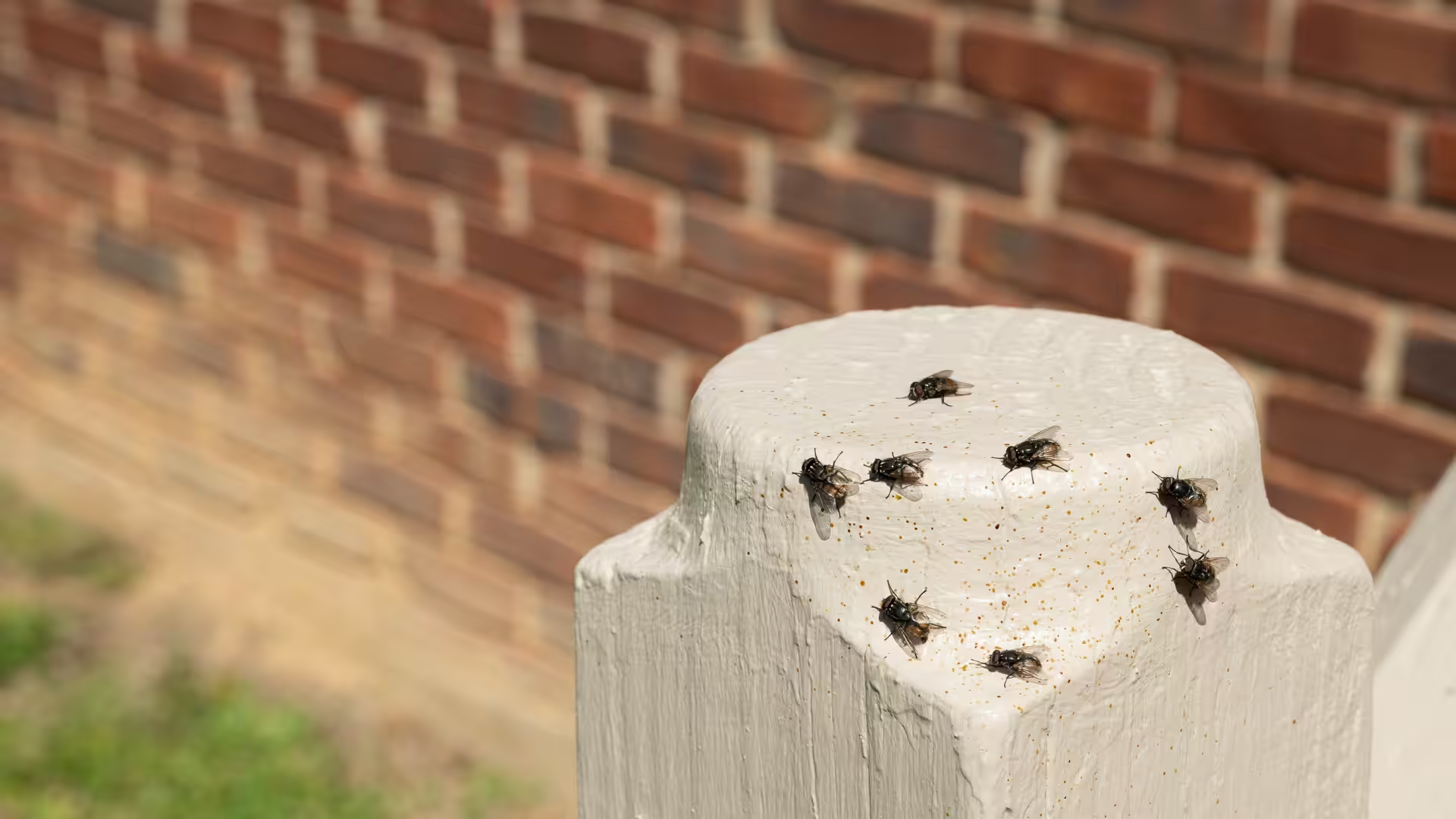
You fire up the grill on the first warm evening, and within minutes, there’s a fly doing laps around the burgers and three more on the railing. Flies turn a good backyard into a swatting match faster than almost any other summer pest. Outdoor fly control isn’t about chasing individual flies with a swatter. It’s about removing the things in your yard that call them over in the first place.
We hear the same frustration every summer across Western Washington. People assume flies drift in from somewhere else, but the swarm on your deck almost always has a local source. Find it, deal with it, and the patio is yours again.
Why Do Flies Swarm My Patio and Deck?
Flies don’t gather where there’s nothing to gain. A patio that draws them has something they want: a meal, a place to breed, or both. The deck itself isn’t the attraction. It’s everything around it that you’ve stopped noticing.
Food, Standing Water, and Pet Waste
Most backyard fly problems trace back to a short list of sources. These are the ones we find again and again:
- Open trash cans and the residue dried on the lids
- Pet waste left sitting in the grass for a few days
- Fallen fruit, compost, and grass clippings breaking down
- Standing water in dishes, gutters, and forgotten buckets
A single pile of dog waste can produce a generation of flies in about a week of summer heat. Blow flies, the shiny green and blue ones, home in on anything decaying, while house flies are happy with garbage and pet messes. Clear the source and you cut off the next batch before it hatches. That’s the part a swatter can never do.
Speed is the other half of the problem. In summer warmth, flies can go from egg to adult in about a week, so a source you ignore on Monday is a swarm by the next weekend. That fast turnaround is also why flies are more than a nuisance.
They feed on waste and then land on your food, tracking bacteria from one to the other, so a fly problem on the patio is a sanitation problem worth taking seriously.
How Do I Keep Flies Away Outside?
Knowing how to control flies outdoors is mostly a sanitation problem with a few clever assists. Take away the food and breeding sites first. Then make the space you use less inviting to the few that still wander through.
Fans, Traps, and Cleaning Up Attractants
A layered approach holds up better than any single trick. Here’s what works in a real backyard:
- Keep a fan running on the patio, since flies are weak fliers and avoid the wind
- Bait traps placed at the far edge of the yard, never on the table
- Tight-lidded trash and a quick daily sweep for pet waste
- Rinse recycling and cover compost so nothing sits out fermenting
That fan trick surprises people, but a steady breeze keeps flies off a table they’d otherwise own. Put bait traps to work too, but set them well away from where you sit, because a trap pulls flies toward it. If you’re hosting, the same playbook covers an outdoor event.
Keep the traps at the perimeter and a fan over the food, and the flies mostly stay off. The picnic that draws flies often brings yellow jackets sniffing around, so it helps to know whether you’re facing a fly or a stinging wasp you’d want gone fast.
What doesn’t work is leaning on a single fix. A can of spray clears the air for an hour, and a sticky strip catches a handful, but neither touches the breeding site producing the next wave.
It’s the same trap restaurants fall into, since flies are among the most persistent commercial kitchen pests, and killing the ones you see does nothing to the breeding site. Sanitation first, then the fan and traps to manage whatever still drifts in, beats any product used on its own.
What About Horse Flies and Biting Flies?
Not every backyard fly is harmless. Horse flies and deer flies bite, and anyone who’s been nailed by one near a lake knows the difference. These are a separate problem from the flies circling your trash, with separate habits and a separate fix.
Why They Bite and How to Reduce Them
Only the females bite, and they’re after a blood meal to develop their eggs. A horse fly cuts the skin instead of piercing it, so the bite stings far more than a mosquito’s. A few things make a yard less appealing to them:
- They breed in wet soil and near standing water, so drainage matters
- Dark, moving targets draw them, so light clothing helps near water
- A fan on the patio works against them the same way it does other flies
Horse fly control is tougher than managing house flies. They range from nearby water and ignore the baits that lure other species, so the usual tricks fall flat. If your property backs onto a pond or a wet pasture, you’re in their territory, and prevention only goes so far.
They’re worst in midsummer, at the edges of the day, when they come off the water hunting a host. No spray makes a yard near a wetland horse-fly-free. The realistic goal is knocking the pressure down and protecting the spots you use most, and that’s where professional horse fly control earns its keep.
Pair it with the drainage and habitat fixes you can handle yourself, and treat it as part of the summer pest season in the Pacific Northwest.
Sentinel Outdoor Fly Control
A few flies at the barbecue are one thing, but a deck you can’t sit on by July is worth handling now. If sanitation hasn’t broken the cycle, or biting flies are pushing you indoors, we can find the breeding sources and treat the spots where flies rest and gather.
Call us at 253-538-2576 or contact us, and we’ll help you take the yard back.
We provide outdoor fly control and full property pest management across our service areas in Western Washington.