

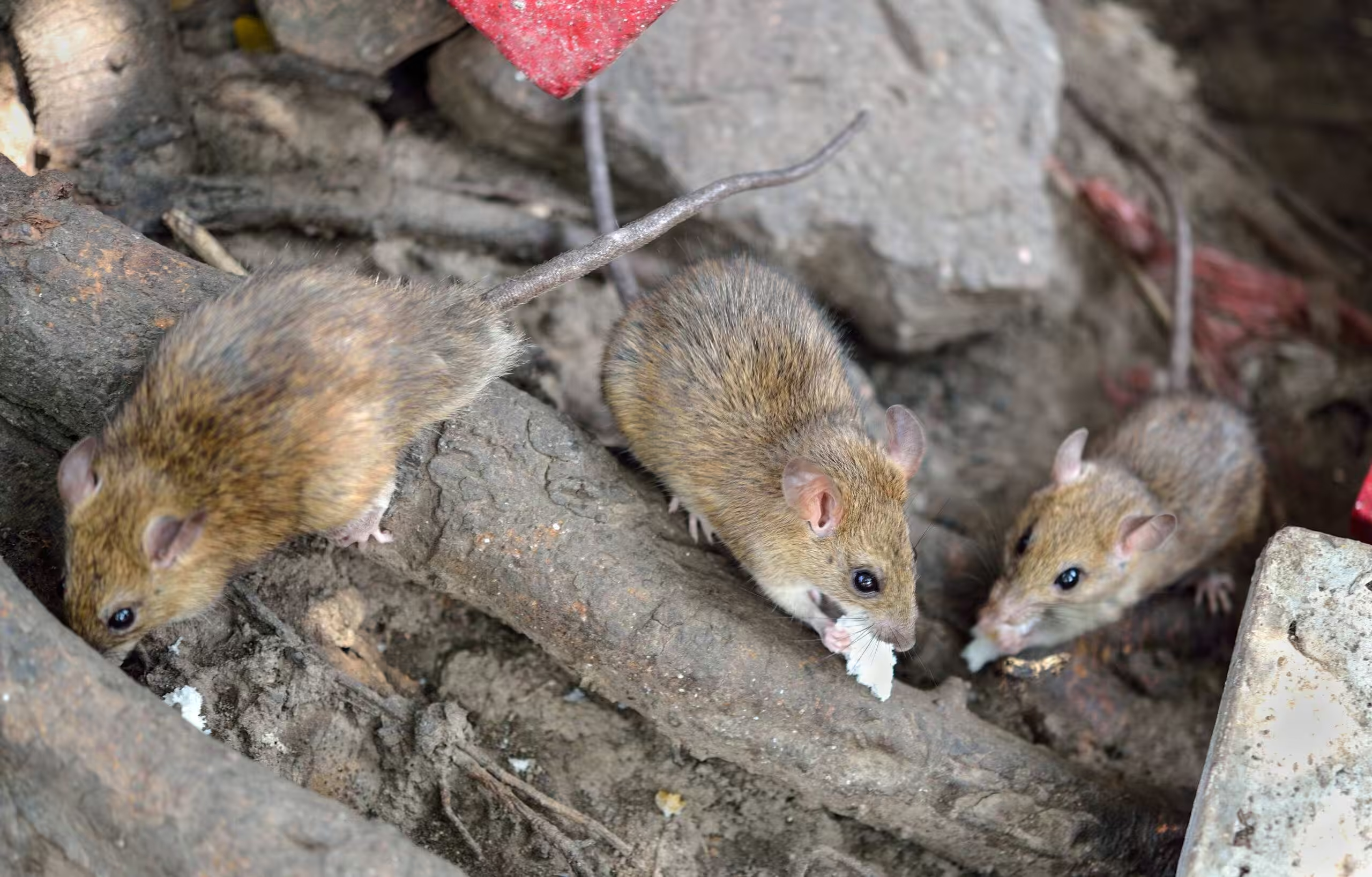
Winter in Washington brings cool air and long stretches of damp weather. As temperatures drop, Norway rats begin searching for warmth and shelter. Homes become easy targets during this seasonal shift. Once these rodents move indoors, they cause property damage, contaminate living spaces, and create ongoing frustration for homeowners. Because of these risks, understanding how professional protection works becomes essential before activity intensifies.
Why Norway Rats Move Into Homes During Winter
Even mild winters push rodents toward indoor environments. Norway rats prefer steady heat, easy access to food, and dependable water sources. Homes offer all three. They also need only a small opening to get inside. Cracks around vents, pipes, or foundations often provide all the access they need.
These rats adapt well to coastal climates and suburban neighborhoods. They thrive in s with dense vegetation, stored items, or moisture. Their ability to reproduce throughout the year makes winter infestations especially challenging. A single female can produce several litters annually. Because of their rapid breeding cycles, early control remains far more effective than waiting until activity spreads.
Seasonal changes also affect where rodents travel. When outdoor resources become limited, they move closer to homes. This shift increases gnawing, burrowing, and tunneling activity around exterior structures. Maintaining outdoors is key to preventing rats from entering the home itself.
Common Signs of Norway Rat Activity
Rats rarely remain hidden for long once they settle into a structure. Early signs are usually subtle but noticeable with routine attention. Look for:
- Droppings with a dark, capsule-like shape
- Grease marks from repeated travel routes
- Gnawing on wood, insulation, or food containers
- Scratching sounds in walls or ceilings during late hours
- A musky odor that becomes stronger over time
- Burrows near foundations or sheds
These signs often appear before rats reach living spaces. Addressing activity early helps prevent damage. At this stage, solutions like how to get rid of rats become part of the broader effort to limit indoor entry.
Health and Property Risks Linked to Norway Rats
Health concerns remain a major issue when Norway rats settle inside homes. They often move through sewers, drainage systems, and garbage sites. After traveling through contaminated s, they spread bacteria across surfaces, pantries, and stored food. Their presence can create risks for children, pets, and anyone with allergies.
Structural damage adds another layer of concern. Rats chew constantly to keep their teeth trimmed. They gnaw on electrical wiring, which increases the chance of electrical problems or fire hazards. They also shred insulation to create nesting material. Over time, this reduces energy efficiency and increases utility costs.
Burrowing activities weaken soil around foundations and create small voids near structures. These gaps allow moisture to enter, which can lead to additional damage. Outdoor s often show early disruptions first. For example, disturbed soil, damaged plants, or exposed roots often connect to issues tied to keeping rats out of your garden.
Norway rats may also explore vehicles when temperatures drop. If nesting materials appear inside garages or beneath parked cars, concerns involving how to keep rodents out of your car often become relevant.
Why Professional Pest Control Works Better Than DIY
DIY attempts rarely solve the full problem. Norway rats are cautious, intelligent, and excellent at hiding. Professionals understand their behavior and use methods tailored to the structure of each home. This knowledge prevents overlooked entry points and ensures long-lasting results.
Expert teams use commercial-grade materials, precise placement, and proven techniques. They identify nesting s, active pathways, and interior vulnerabilities. They also understand seasonal patterns, which allows them to adjust strategies as weather changes.
Time savings also matter. Setting traps, searching for openings, and monitoring movement takes hours each week. Professional support eliminates the guesswork and ensures a full solution. Thorough inspections, targeted treatments, and scheduled follow-up visits create a complete, consistent approach that DIY methods cannot match.
What Happens During a Professional Inspection
A detailed inspection forms the foundation of effective Norway rat control. Technicians begin by examining the property exterior and they check foundations for cracks or missing mortar. They inspect rooflines for lifted shingles or structural gaps. They also review utility penetrations where rats often slip in unnoticed. Moisture-prone s receive close attention because these spots often attract rodents during wet months.
Inside the home, technicians inspect attics, crawl spaces, and basements. They search for nesting materials, droppings, or disturbed insulation. They also examine pantry s and storage spaces where rats frequently steal food. Plumbing access points receive additional focus because these openings often connect to sewer lines.
Seasonal humidity shifts influence rodent activity throughout Washington . Professionals familiar with local weather patterns understand how winter moisture affects rat behavior. This insight helps them identify high-risk zones quickly and accurately.
Exclusion and Sealing for Long-Term Protection
Effective protection involves more than quick fixes. Long-lasting exclusion requires durable materials and proper installation. Teams seal gaps using heavy-duty metal flashing, hardware cloth, and specialized sealants. These materials prevent chewing and block future attempts at entry.
Small openings around vents, pipes, and wiring often create the greatest risk. These gaps are easy to miss without a thorough inspection. Proper sealing in these s ensures that rats remain outside, even as temperatures fall. Foundation repairs also play a major role in preventing new access points. When cracks are sealed correctly, winter activity declines significantly.
Targeted Elimination for Active Infestations
If rats already live inside the structure, targeted elimination becomes necessary. Professionals design treatment plans based on the size of the infestation and the layout of the home. Placement of traps and stations makes a significant difference. Specialists understand rat movement patterns and place control tools along high-traffic routes.
Follow-up visits ensure that progress continues. Monitoring prevents new rats from entering and verifies that active s remain clear. This ongoing support keeps the home protected throughout the winter season.
The Benefits of Ongoing Pest Protection
Long-term pest protection offers peace of mind during every season. Regular inspections catch new activity before it spreads. Seasonal adjustments ensure that exclusion and treatment methods stay effective. Preventative maintenance reduces the chance of new infestations. Families gain confidence knowing that their home remains under consistent care.
Professional decontamination also matters after an infestation. Specialized cleaning removes odors, bacteria, and residue left behind by rats. This process restores affected s to safe conditions and prevents lingering issues.
The Sentinel Pest Control Advantage
Sentinel Pest Control offers personalized service tailored to Washington . Their team understands the region’s unique climate and seasonal challenges. With local knowledge and proven techniques, they deliver reliable protection all year long.
Rodent Control Near You
Don’t wait until rats enter your home. Sentinel Pest Control offers comprehensive rodent protection for homeowners in:
- Seattle, WA
- Tacoma, WA
- Bellevue, WA
- Kent, WA
- Everett, WA
- Renton, WA
- Federal Way, WA
- Auburn, WA
- Lakewood, WA
- Olympia, WA
Schedule your winter inspection today and protect your home with expert, long-lasting solutions.