

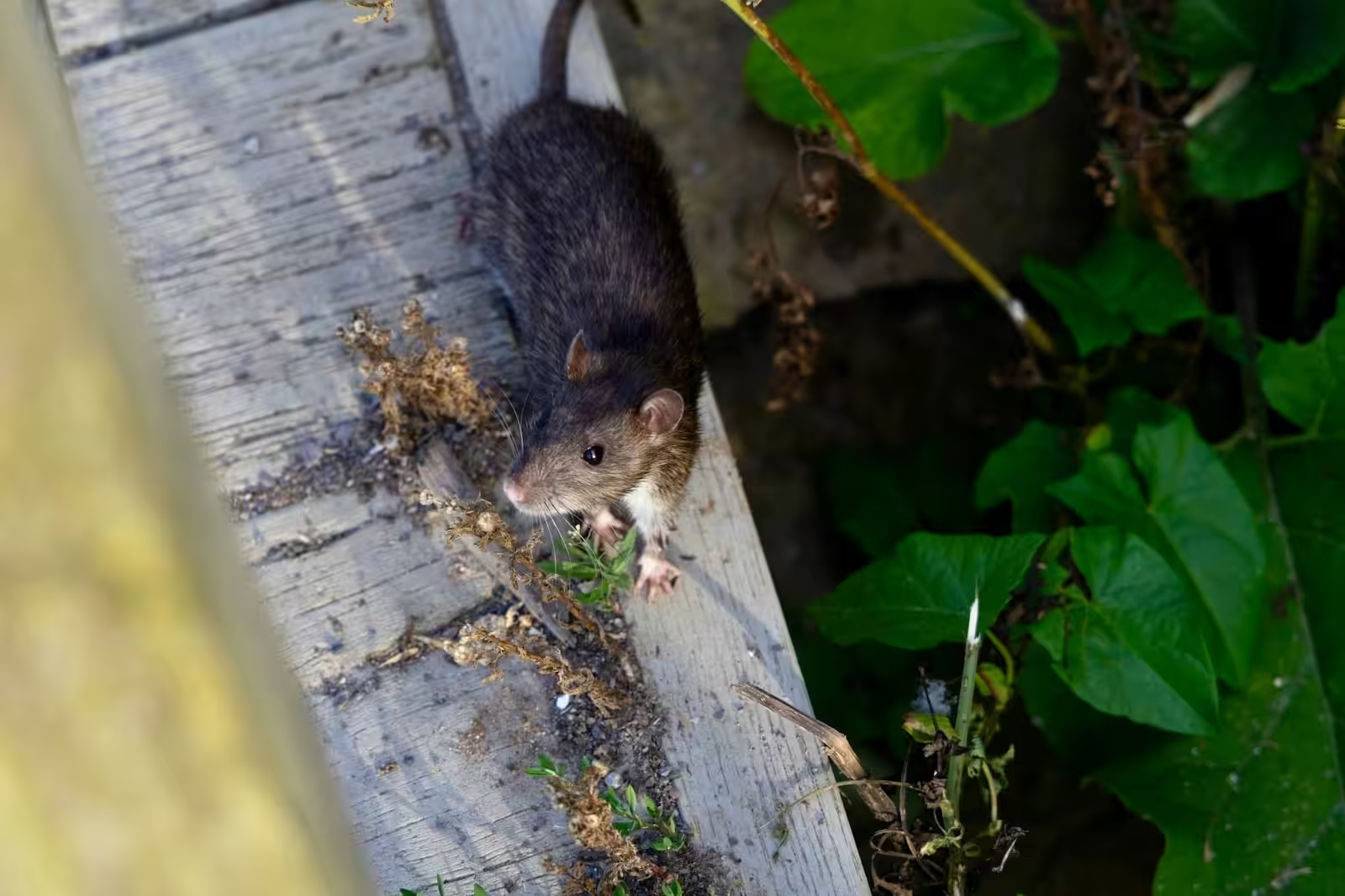
How To Keep Rats Out of Garden
Outdoor gatherings by the garden, morning coffee on the patio, or an afternoon tending to your prized roses. Sounds idyllic, doesn’t it?
That is, until you notice unwelcome visitors rustling through the bushes.
Rats in your garden? It’s annoying, but it’s so much more than that. It can hurt your plants, attract other pests, and even pose health risks.
Washington homeowners, especially in cities like Puyallup, Tacoma, and Seattle, know that rats are resourceful creatures drawn to gardens for shelter, food, and water.
But don’t worry—we’ll cover everything you need to know about keeping your garden rat-free, from understanding why they’re there to how you can kick them to the curb (and precisely when to call in the pros).
Why Are There Rats in My Garden?
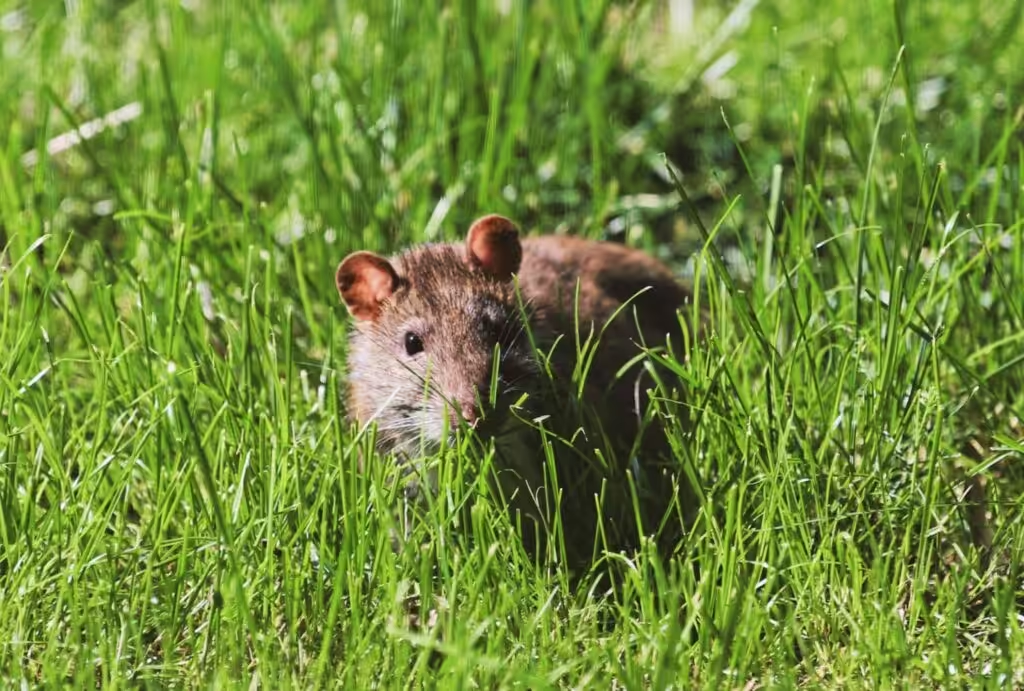
Rats are opportunists, plain and simple. If your garden provides easy access to food, water, or shelter, you’ve rolled out the red carpet for these pests.
Some common culprits include:
- Leftover Food: Outdoor grills, uncovered trash, or fallen fruit from trees can be irresistible.
- Dense Vegetation: Overgrown shrubs or thick mulch provide sheltered hiding spots.
- Compost Piles: Organic waste is a hotbed for food scraps (and the smells attract rodents).
- Standing Water: Ponds, bird baths, or even leaky hoses give rats the hydration they need.
If you’re nodding along as you notice some of these warning signs on your own property, that means it’s time to address these attractions before things escalate.
Why You Need to Know How To Keep Rats Out of the Garden
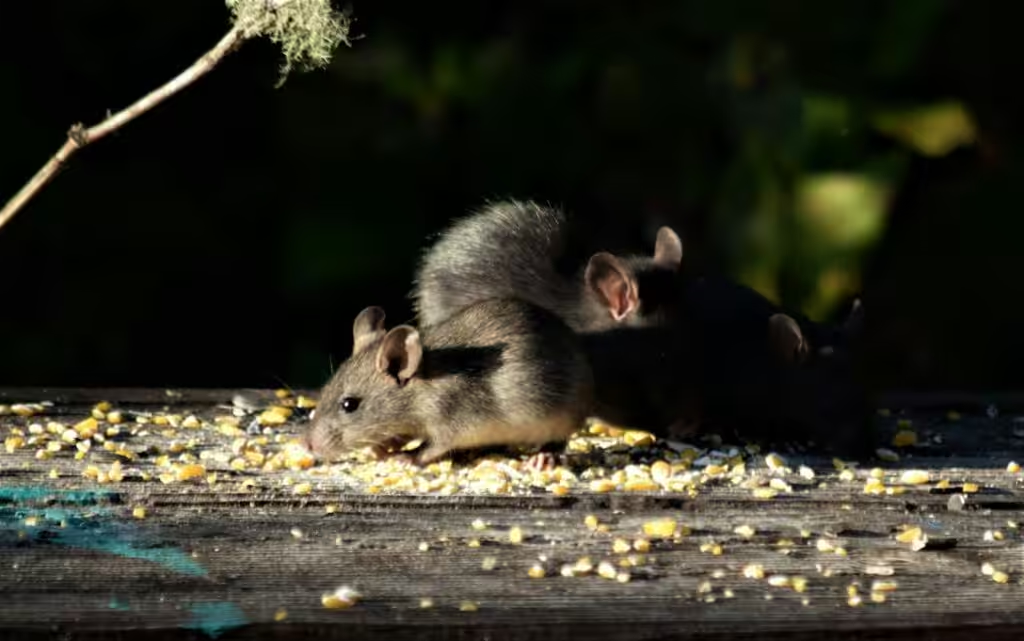
Here’s the deal–ignoring rats isn’t an option. Beyond the gross factor of spotting one scampering around, rats can wreak serious havoc in ways you may not expect.
Some of the most dangerous risks of having rats in your garden include:
- Plant Damage: Rats chew through vegetables, fruits, and even plant roots.
- Disease Transmission: They can spread harmful diseases like Leptospirosis or Salmonella.
- Attracting Predators: Where there are rats, there may soon be snakes or larger predators.
- Damage Beyond the Yard: Once they’ve made themselves comfortable in your garden, rats often find their way into your house.
Simple Garden Rat Control Methods and Tools
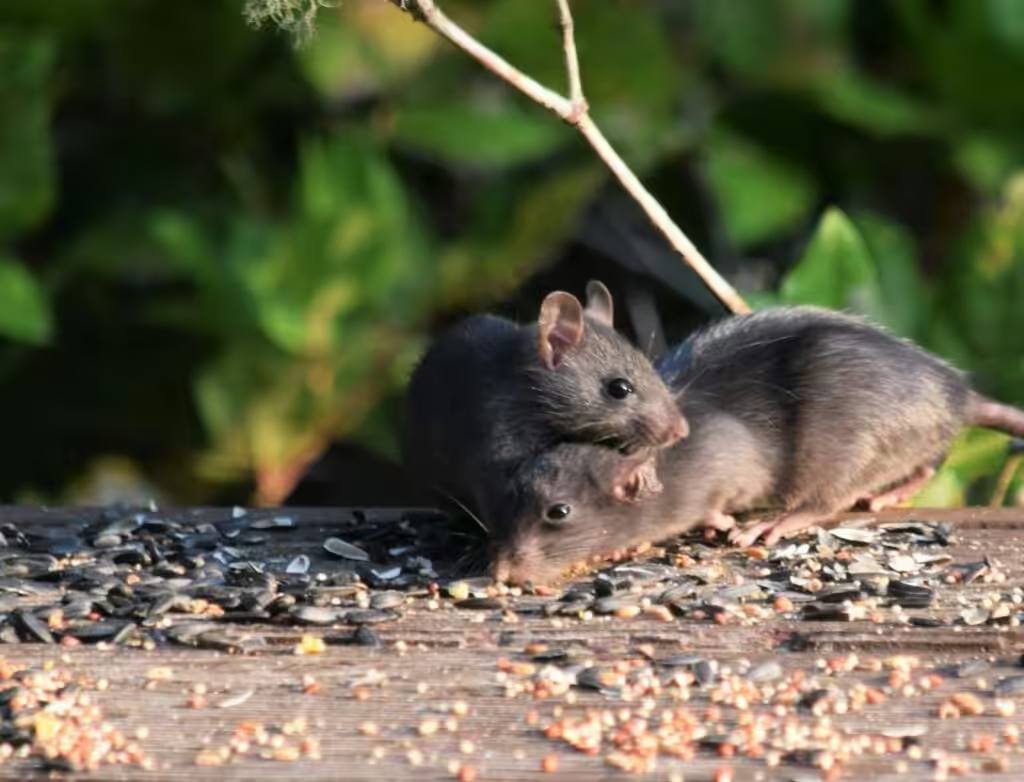
Knowing how to keep rats out of the garden isn’t an uphill battle when you have a solid plan. Try these techniques to take back control:
1. Start by Decluttering
Rats love clutter, so clear out any unnecessary garden debris, overgrown plants, and dense bushes. Start by removing dead leaves and plant matter. Then, prune back trees and shrubs to reduce hiding places.
In the future, do your best to stay on top of these maintenance tasks. Whenever possible, keep firewood piles elevated and away from your house to remove hiding places, too.
2. Secure Your Compost
Composting is eco-friendly, but it can be a buffet for rats if not managed properly. To avoid this, use a compost bin with a tight-fitting lid. Avoid composting meat, dairy, or greasy leftovers. Stick to plant-based scraps instead.
3. Eliminate Food and Water Sources
If they don’t have food or water, they won’t stick around long! Pick up fallen fruit or vegetables promptly. Secure trash cans with rat-proof lids and fix any leaky hoses or dripping faucets.
4. Invest in Rat Barriers
Install physical barriers like wire mesh to keep rats out. Focus on areas like garden beds, under decks, and sheds. This is especially effective for protecting vegetable or fruit gardens.
5. Use Traps Wisely
Traps are still one of the most reliable ways to catch rats, but proper placement and strategy are nonetheless important.
Place traps where droppings or gnaw marks are present. Also, choose humane or snap traps over poison, which can harm other wildlife or pets.
When to Call Professional Rat Prevention Services in Washington
Sometimes, DIY methods just don’t cut it. If you’ve tried everything and are still spotting rat droppings or notice damage, it’s time to reach out to the experts.
At Sentinel Pest, we specialize in rat prevention services tailored to the needs of Washington homeowners.
From Puyallup to Gig Harbor, our team knows what it takes to manage rats efficiently and humanely. Plus, we offer a same-day service guarantee if you call us before noon!
Don’t wait until the problem spirals. Schedule an appointment today and enjoy your garden the way it was intended—with peace of mind and zero unwanted guests.
Did You Know?
Rats’ teeth never stop growing. To keep them short, they constantly gnaw on wood, plastic, and even electrical wires, which can wreak havoc on your home structures or even your car. It’s another important reason to handle infestations quickly before serious damage occurs.
FAQ
What are the early signs of rats in the garden?
You may notice droppings, gnaw marks on wood or plants, nests made of shredded material, or tracks and smudges in soil or dusty areas.
Are rats attracted to certain types of plants?
Yes, especially fruit- and vegetable-bearing plants. Citrus trees and tomato plants are especially enticing.
Can rats climb into elevated garden beds?
Absolutely. Rats are skilled climbers and can easily scale most elevated garden beds. Rat-proof barriers are your best defense.
How quickly can rats multiply?
Rats breed extremely fast. A single pair can produce 1,500 offspring in a year under ideal conditions (and if they all survived), which is why early prevention is crucial.
Should I try poison to control rats?
Poison is less recommended for residential settings due to risks to pets, children, and non-target wildlife. Safer alternatives like traps or professional intervention are preferable.