

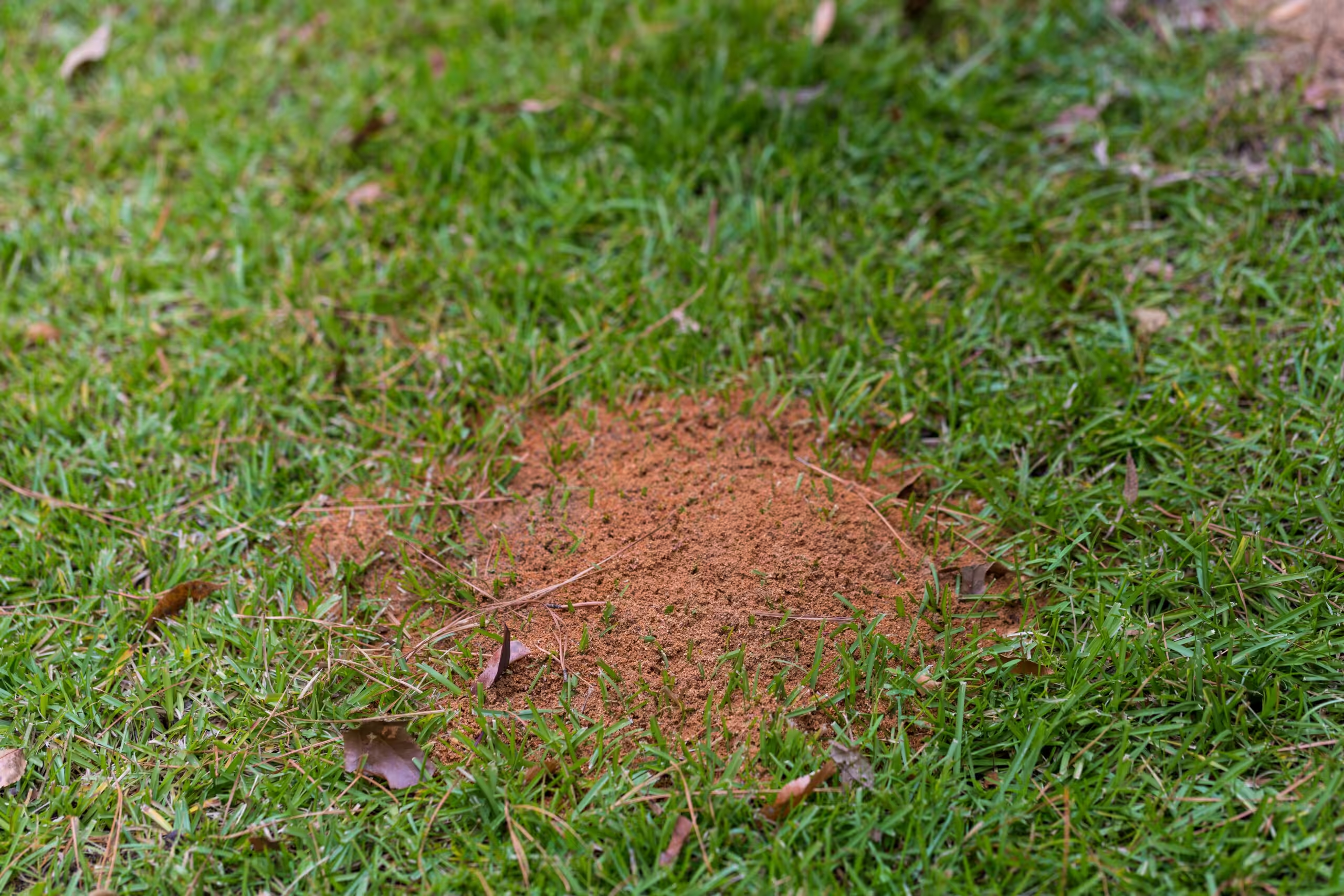
A thick green lawn in June can hide a problem that started months ago. The grass looks fine on top while something underground chews through the roots, and by the time a patch goes brown and spongy, the damage is already done. Lawn pest control is less about reacting to dead spots and more about knowing what lives in Western Washington turf and when it does the most harm.
We walk a lot of yards across the South Sound, and the same handful of culprits show up again and again. Our wet soil and mild winters suit them perfectly. The good lawns aren’t the ones that got lucky. They’re the ones where somebody caught the trouble early.
What Pests Damage Washington Lawns?
Most lawn damage here traces back to insects feeding below the surface, out of sight until the grass starts to fail. A few do the bulk of it, and one in particular is almost a regional signature.
Crane Flies, Grubs, Chinch Bugs, and Moles
These are the names we run into most on Western Washington properties:
- Crane fly larvae, the leatherjackets that strip grass roots all spring
- White grubs, fat and curled, chewing through the root layer
- Chinch bugs that drain moisture from grass in hot, sunny spots
- Moles heaving up ridges while they hunt grubs and worms
Leatherjackets are the big ones here. Those giant, clumsy mosquito look-alikes bouncing off your porch light in late summer are adult crane flies, and they’re laying the eggs that hatch into next year’s root-eaters. Moles are often a clue rather than the root problem, since a mole digging up your yard is usually hunting the grubs already living in it.
Our climate is what tips the balance. Leatherjackets thrive in cool, soggy soil, and a wet Western Washington winter keeps them feeding on roots straight through to spring, long after they would have died off in a drier region.
Chinch bugs are the opposite, more of a problem in hot, dry turf, so they turn up less here than in lawns east of the mountains. Knowing which one you’ve got changes the whole approach. Lawn trouble also peaks alongside the rest of the region’s summer pests, so June is when it all shows up at once.
What Are the Signs of Lawn Pests?
Lawn pests rarely announce themselves. You notice the aftermath first, then go looking for the cause. Catching it at the right moment is the difference between overseeding a thin patch and resodding half the yard.
Brown Patches That Spread and Spongy Turf
The clues are in how the lawn feels and behaves, not only how it looks. Watch for a few things:
- Brown or yellow patches that grow week over week
- Turf that feels spongy and lifts with no root grip
- Birds, raccoons, or skunks digging the lawn at night
- Mole mounds and raised ridges crossing the grass
That spongy, peel-up texture is the telltale sign of root feeders at work. The animal activity throws people off, but crows and skunks tearing up a lawn are after the grubs underneath, so they’re a symptom of the pest, not a separate problem.
If you’re seeing several of these together, the population is past the point where good lawn care and pest control alone will fix it.
There’s a quick test before you assume the worst. Tug a handful of brown grass. Healthy turf resists, while pest-eaten turf pulls up in a mat because the roots are gone, and that rolled-back-carpet feel is the clearest line between a grub problem and a patch that needs water.
Drought browns evenly and greens up after a soak. Pest damage spreads in patches and keeps going. By June, last spring’s leatherjacket damage shows up as thin, ragged spots that never filled back in.
What Does Lawn Pest Control Treatment Cover?
Here’s where timing carries the whole thing. Pest control for lawns works on the calendar the insects keep, not the one that’s convenient for us. Treat leatherjackets too late and they’ve already done their damage. Hit grubs at the wrong stage and the product barely touches them.
Seasonal Treatments and Grub Control
A real program is built around life cycles, paired with the basic care that keeps turf strong enough to bounce back. What we focus on:
- Timing grub and leatherjacket treatment to the vulnerable larval stage
- Treatment aimed at the active pest, not a blanket spray over the whole yard
- Practical advice on mowing, watering, and overseeding to keep turf strong
- A close watch for the next generation before it gets established
The cost of lawn pest control services depends on the yard’s size and the extent of the infestation, so we start with an inspection. A small thin patch caught early is a different job than a yard the moles have already mapped.
A healthy yard also crowds out other nuisances, from yard ants to the rats that work a garden. Either way, the work pairs with the seasonal rhythm of pests across the region, so the lawn gets attention when it counts.
DIY products struggle here for the same reason timing does. The big-box granules are built for grub species that barely register in our region, and they rarely align with the leatherjacket calendar, which drives most lawn damage in Western Washington.
When the brown keeps spreading no matter what you spread on it, that’s our cue. We confirm the pest and treat it when it’s most vulnerable. From there, it’s about getting the lawn to recover, not chasing symptoms season after season.
Sentinel Lawn Pest Control
A brown patch in June rarely turns out to be a dry spot, and waiting for it to spread only makes the repair bigger. If your grass is thinning and starting to lift, or crossed with mole ridges, we can identify what’s feeding on it and build a treatment around the season instead of guessing.
Call us at 253-538-2576 or get in touch through our contact page and we’ll walk the yard with you.
We provide lawn pest control and full property pest management across our service areas in Western Washington, including: