

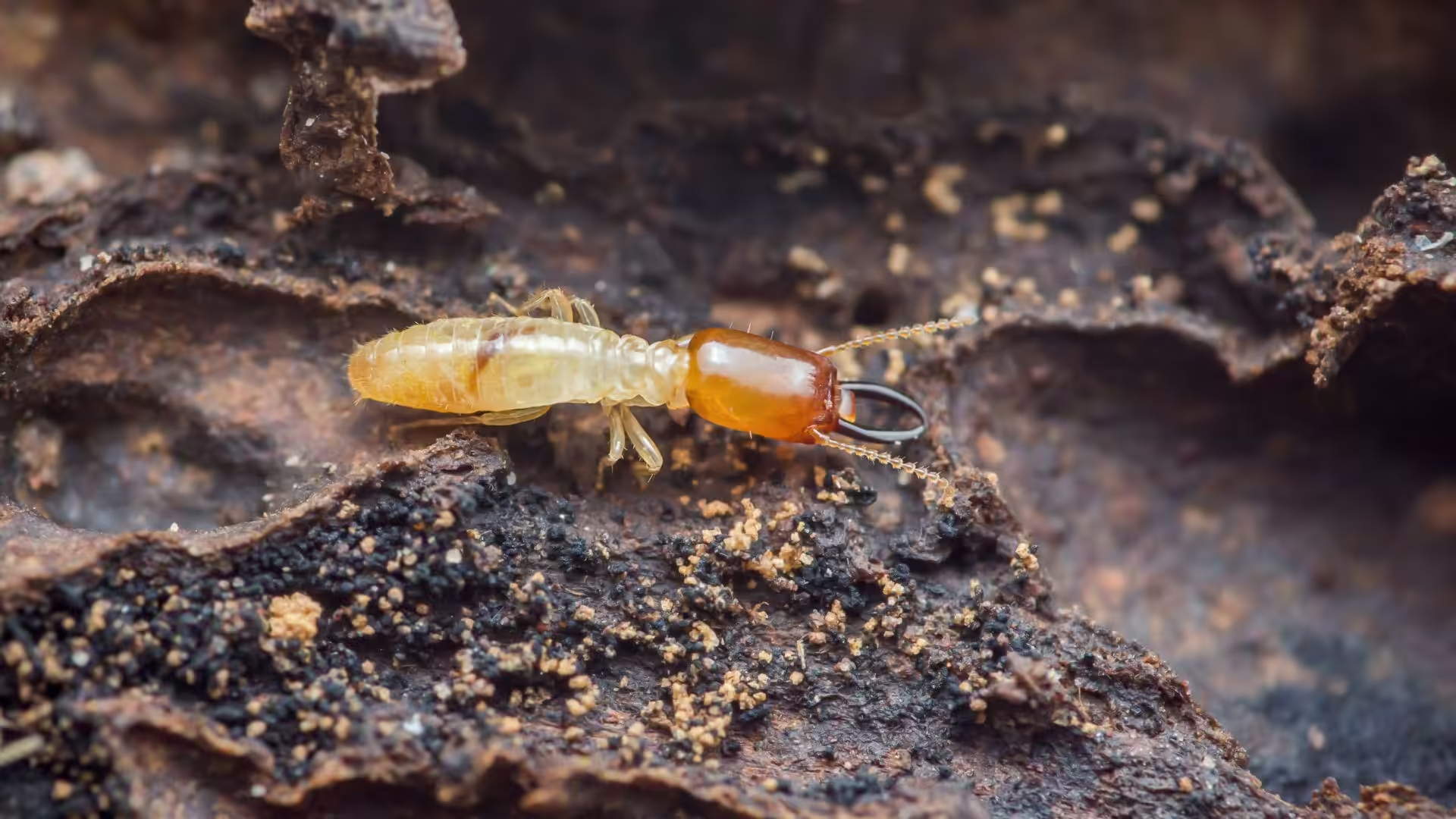
Do termites bite people? Yes — but that’s usually the wrong question to be asking. If you’ve found termites in your home, what’s happening to your structure matters considerably more than what might happen to your skin.
Can Termites Actually Bite Humans?
Soldier termites have mandibles strong enough to break skin — barely, and only under specific conditions. Those mouthparts evolved for one job: fending off ants and other insects that threaten the nest. When you’re handling a soldier directly or pressing against a surface where they’re actively guarding, a bite is possible. It rarely happens otherwise.
Workers — the bulk of what’s actually moving through your walls — have softer mandibles. They can’t produce a meaningful bite. The stages of a termite colony include workers, soldiers, and reproductives, and only soldiers carry the jaw strength to produce any noticeable reaction. Even then, it’s rare.
What Do Termite Bites Look Like on Humans?
Most people who get bitten by a soldier termite don’t even realize it. The mark is small — a faint red spot, similar to a minor mosquito bite. There’s some localized irritation and redness, but swelling stays minimal and the reaction fades quickly.
If you’re seeing clusters of bites or unexplained welts, don’t assume termites. Bed bugs, mites, and fleas are far more likely. The reactions those pests produce look nothing like the faint irritation a termite soldier might cause.
Do Flying Termites and Swarmers Bite?
Swarmers are the winged reproductives — the ones that emerge in spring to mate and find new colony sites. In Washington, that typically peaks between March and May.
Flying termites don’t bite in any meaningful way. Swarmers aren’t defending a nest. Reproduction is their only focus during that window, and they shed their wings and move on quickly. Handling one might produce a faint pinch. That’s about it.
Their presence inside your home, however, is a serious warning sign. A swarm indoors almost always means an active colony is already established somewhere in the structure.
Are Termites Actually Dangerous to Humans?
No venom. No stinging apparatus. Nothing in a termite’s biology is built to harm people. There’s no documented evidence linking termites to any illness in humans.
The one exception is indirect. Large infestations inside wall voids trap humidity. Over time, that moisture creates conditions for mold growth in the same confined spaces. Mold exposure can irritate the respiratory system, especially for people with existing sensitivities. That’s a structural and moisture problem the infestation causes — not something termites produce directly.
Are termites harmful to humans in the way people fear? No. The harm they cause is entirely structural.
How to Treat Termite Bites and When to Be Concerned
Soap and water, a cold compress, and that’s usually the end of it. An over-the-counter antihistamine or hydrocortisone cream handles any lingering irritation. Most people won’t need anything beyond that.
Prolonged redness, unusual swelling, or any sign of infection — warmth at the site, discharge — are worth watching for. Those reactions are uncommon, but if they develop, see a doctor. Allergic reactions to insect bites can happen, even with termites, though it’s rare.
If bites are recurring and you can’t place the source, don’t assume termites. Check for early signs of termite activity in your home, but also look at mattress seams for bed bugs, carpeting for mites, and wherever your pets rest for fleas. Those pests bite repeatedly. Termites almost never do.
The Real Threat: What Termites Are Doing to Your Home Right Now
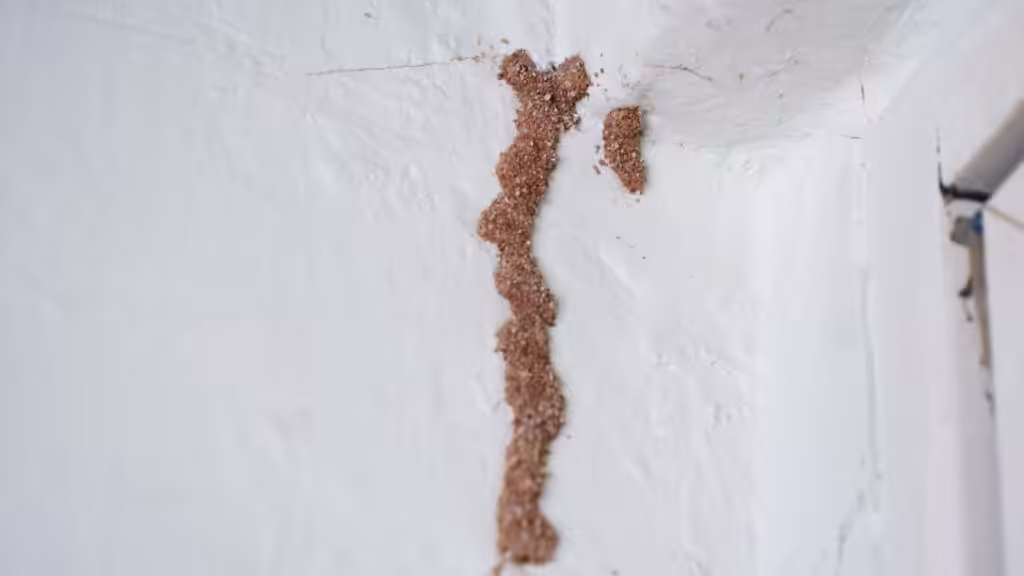
Termite mud tube running along a wall
A mature subterranean termite colony can number in the hundreds of thousands. Workers feed continuously — through structural wood, subflooring, framing — and they don’t stop. Subterranean termites are the species most active in Washington, and they run quiet.
Most homeowners don’t realize there’s an infestation until visible damage appears, and by that point, the colony has typically been active for a year or more.
Workers can’t survive open air — they build mud tubes to travel between soil and wood without exposure. Those tubes on a foundation wall or crawl space pier aren’t a warning that termites might be present. They mean workers have already established a route inside.
Washington’s damp climate keeps soil moisture favorable for subterranean species year-round, which extends the feeding season well beyond what most people expect. Homes with crawl spaces or any history of moisture issues carry elevated risk. Sentinel’s termite management process targets the colony directly, using treatments that reach well beyond what’s visible on the surface.
Sentinel Pest Control: Stop Termites Before the Damage Gets Worse
Termite bites are the least of your worries. A colony working through your home’s structure is a problem worth taking seriously. Sentinel Pest Control serves homeowners across Washington with inspections and treatments built around how termites actually behave in this region.
If you’ve spotted swarmers, mud tubes, or soft spots in your flooring, don’t wait to find out what’s behind them. Contact Sentinel today and get a clear answer before the damage deepens.