

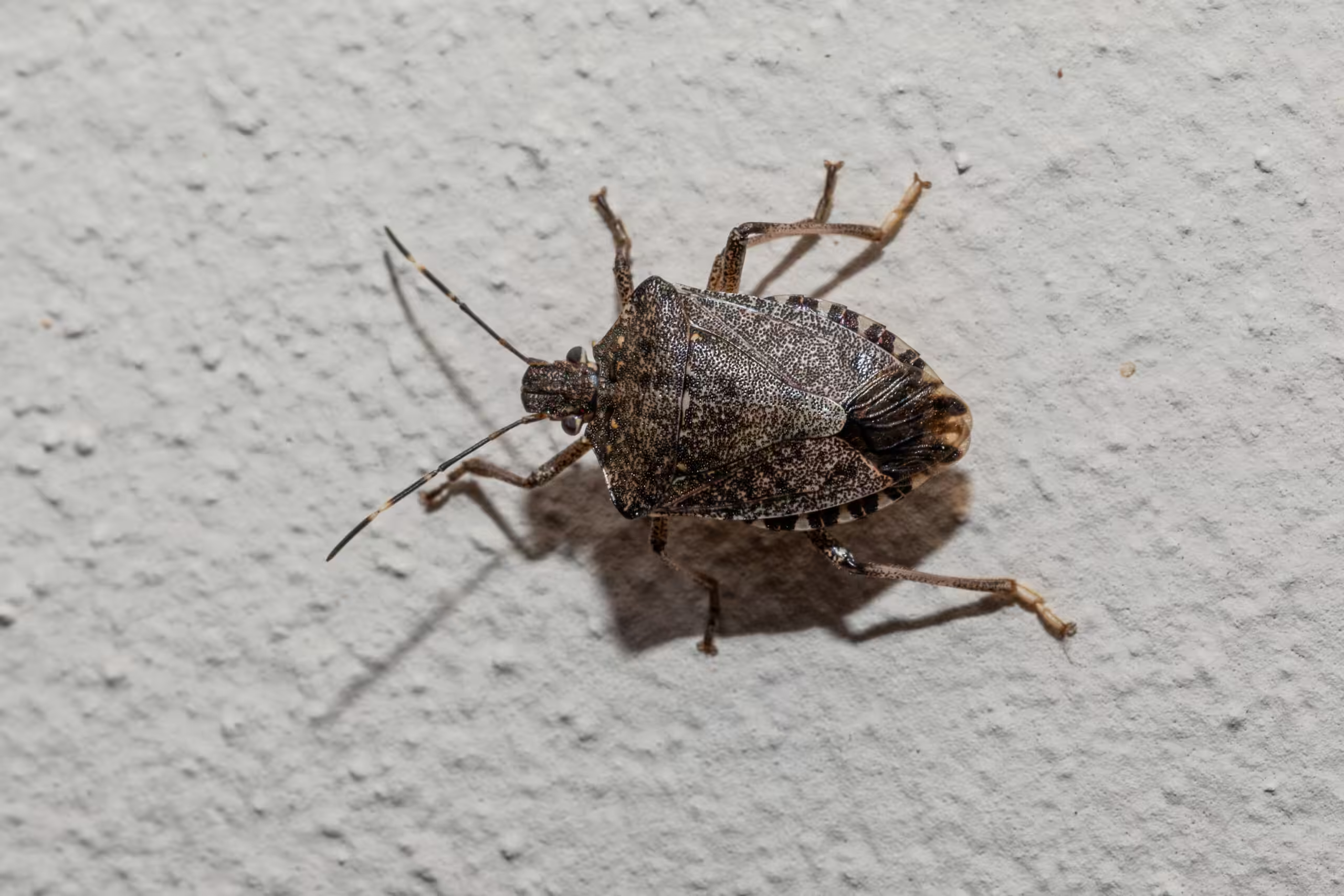
Have you ever noticed a shield-shaped insect crawling across your wall and wondered what it was? Chances are, you’ve encountered a stink bug. These peculiar pests have become increasingly common in homes across the country, especially during fall and winter months. Understanding these insects can help you deal with them more effectively and protect your home from invasion.
What Are Stink Bugs?
Stink bugs are insects that get their name from the unpleasant odor they release when threatened or crushed. The most common species in North America is the brown marmorated stink bug, which originally came from Asia. These pests first appeared in the United States in the late 1990s and have since spread throughout the country.
These insects have a distinctive appearance that makes them easy to identify. They feature a shield-shaped body with mottled brown coloring and lighter bands on their antennae. Adults typically measure about three-quarters of an inch long. Their unique shape and coloring help them blend into tree bark and leaves in nature.
Can Stink Bugs Fly?
Yes, stink bugs are capable fliers. In fact, this ability is one reason they’ve spread so successfully across different regions. Additionally, they use their flying skills to search for warm places to overwinter when temperatures drop. You might notice them flying around your home’s exterior in fall as they look for entry points.
Their wings fold flat against their bodies when not in use, tucked beneath their hard outer shell. However, stink bugs aren’t the most graceful fliers you’ll encounter. They tend to fly in a somewhat clumsy manner, often bumping into walls and windows. This awkward flight pattern sometimes makes them easier to spot indoors.
What Do Stink Bugs Eat?
Stink bugs are primarily plant feeders with a diverse diet. In gardens and agricultural areas, they feed on fruits, vegetables, and ornamental plants. They particularly enjoy apples, peaches, soybeans, and tomatoes. Using their piercing mouthparts, they puncture plant tissue and extract juices.
This feeding behavior causes significant damage to crops and garden plants. Farmers consider them serious agricultural pests because they can destroy entire harvests. Furthermore, their feeding creates dimpled or discolored spots on fruits and vegetables, making produce unmarketable.
Inside homes, stink bugs don’t typically eat anything. They’re not interested in human food, fabrics, or wood. Instead, they simply seek shelter to survive the winter months. Therefore, you won’t find them damaging your belongings or raiding your pantry like some other household pests.
Do Stink Bugs Bite?
Fortunately, stink bugs do not bite people or pets. Their mouthparts are designed for piercing plants, not human or animal skin. As a result, you don’t need to worry about painful bites or stings when you encounter these insects. They pose no physical threat to humans in this regard.
However, they can still cause problems in other ways. When threatened, they release their characteristic foul odor as a defense mechanism. This smell can linger on surfaces and skin, creating an unpleasant experience. Moreover, some people may experience allergic reactions to the compounds in this defensive spray.
Are Stink Bugs Dangerous?
Stink bugs are not dangerous to humans or pets in terms of physical harm. They don’t transmit diseases, and their presence doesn’t indicate unsanitary conditions. Nevertheless, they can become a significant nuisance when they invade homes in large numbers.
The primary concern with stink bugs is the odor they produce. This smell can permeate fabrics, carpets, and other materials in your home. Some individuals may also develop skin irritation or respiratory issues when exposed to large populations. In rare cases, people with sensitivities might experience more severe allergic reactions.
For agriculture and gardening, stink bugs present a more serious threat. They can devastate crops and ornamental plants, causing substantial economic losses. Home gardeners often struggle to protect their vegetables and fruits from these persistent pests.
How to Get Rid of Stink Bugs
Dealing with stink bugs requires a multi-faceted approach. Prevention is your first and most important line of defense. Consequently, sealing entry points around your home should be a priority. Check for gaps around windows, doors, utility pipes, and vents. Use caulk or weather stripping to close these openings before fall arrives.
Inside your home, vacuum stink bugs carefully to avoid triggering their smell response. Empty the vacuum bag or canister immediately into an outdoor trash container. Alternatively, you can use a piece of paper to carry them outside. Crushing them should always be avoided because this releases their notorious odor.
For larger infestations, consider using a shop vacuum dedicated to pest removal. This method allows you to collect multiple bugs without contaminating your regular vacuum. Once captured, dispose of them in soapy water to ensure they don’t escape.
Professional pest control services offer effective solutions for severe infestations. Experts can apply barrier treatments around your home’s exterior to prevent stink bugs from entering. They also have access to specialized products that homeowners cannot purchase. Working with professionals ensures comprehensive protection throughout the season.
Get Rid of Stink Bugs Professionally in Washington
When DIY methods aren’t enough to control your stink bug problem, Sentinel Pest Control becomes your best solution. Sentinel’s technicians understand stink bug behavior and know exactly where these pests hide. They can identify entry points you might have missed and provide targeted treatments that deliver lasting results.
Choosing a reputable pest control company ensures quality service and guaranteed results. Call to schedule an inspection today!