

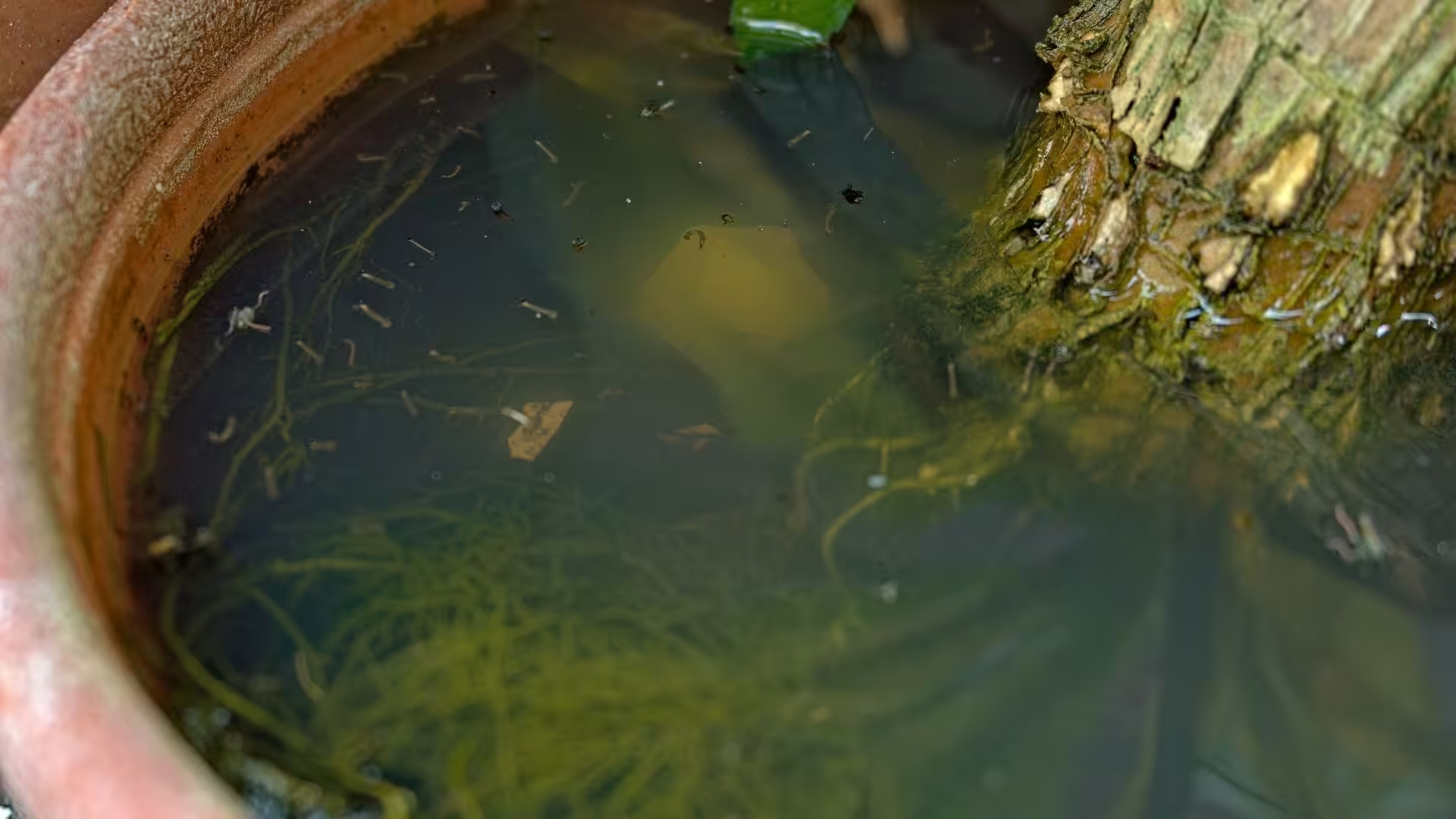
Mosquitoes don’t travel far from where they hatch. If you’re battling swarms in your yard, breeding sites exist within a few hundred feet of your home. These pests need standing water to reproduce, and even tiny amounts support entire generations.
Sentinel Pest Control eliminates mosquito breeding sites and treats adult populations throughout Western Washington. Understanding where mosquitoes breed is the first step toward reclaiming your outdoor spaces.
Common Mosquito Breeding Sites & Water Sources
Mosquitoes lay eggs in stagnant water, and their larvae develop entirely in aquatic environments. You might assume only large water features attract them, but mosquitoes exploit surprisingly small water sources. A bottle cap filled with rainwater provides enough breeding habitat for dozens of larvae.
Female mosquitoes seek standing water that remains undisturbed for at least seven days—the minimum time larvae need to mature into flying adults. They prefer sites protected from wind and direct sunlight where water temperatures stay moderate.
- Containers and yard items: Flower pots, buckets, toys, tarps, tire swings, and bird baths collect rainwater and become prime breeding sites
- Drainage problems: Clogged gutters, low-lying areas with poor drainage, and foundation puddles hold water for weeks after rainfall
- Water features: Ornamental ponds, fountains, and water gardens support mosquito larvae when circulation stops or becomes inadequate
- Natural sources: Tree holes, stump cavities, and dense vegetation trap moisture creating hidden breeding sites
Most homeowners overlook the smallest water sources causing their mosquito problems. That kiddie pool you emptied but didn’t flip over collects an inch of rainwater. The decorative pot saucer under your plant holds just enough moisture. Even corrugated downspout extensions trap water in their ridges.
Mosquito breeding sites multiply after rainfall. A single storm creates dozens of temporary pools across your property. Within days, larvae appear and begin their rapid development. By the time you notice increased mosquito activity, hundreds of new adults have already emerged.
Regular property inspections identify problem areas before populations explode. Walk your yard weekly during mosquito season checking for standing water. Empty, flip, or cover containers that hold moisture. Fix drainage issues and maintain water features properly.
Identifying Mosquito Larvae in Water
Mosquito larvae look like tiny wriggling worms suspended near the water surface. They breathe through tubes extending above the waterline, creating their distinctive head-down position. Recognizing these signs helps you confirm active breeding sites requiring treatment.
- Larval appearance: Small worm-like creatures hanging head-down from the water surface, diving rapidly when disturbed before returning to breathe
- Multiple life stages: Different sizes visible in the same water source as new eggs hatch while older larvae mature over 7-10 days
- Pupal stage: Comma-shaped forms that tumble through water, lasting 1-3 days before adults emerge
- Surface activity: Movement and ripples near the water surface as larvae feed on microorganisms and organic matter
Check water sources by looking for movement near the surface. Scoop water into a white container for easier observation. Even small numbers indicate active breeding requiring immediate action.
Mosquito Breeding Patterns & Lifecycle
Understanding mosquito biology explains why infestations seem to appear overnight. These pests complete their lifecycle in as little as one week under ideal conditions. A single breeding site can produce hundreds of adults over a season.
- Egg laying: Females lay 100-300 eggs per batch and produce multiple batches during their lifetime
- Egg development: Eggs hatch into larvae within 24-48 hours in warm weather; some species lay drought-resistant eggs on moist soil
- Larval growth: Four larval stages feed continuously on organic matter, completing development in 7-10 days when temperatures exceed 70°F
- Pupation: Active but non-feeding transformation stage lasting 1-3 days before adult emergence
- Adult lifespan: Males feed on nectar and live only days; blood-feeding females survive several weeks and produce multiple egg batches
After the final larval stage, pupation begins. This transformation stage doesn’t feed but remains active and mobile. Adult mosquitoes emerge from pupal cases, rest briefly to harden their wings, then fly off to mate.
Each blood meal supports another egg batch, perpetuating the cycle. This rapid reproduction explains why populations explode so quickly when conditions favor mosquito development.
Peak Mosquito Season in Your Region
Western Washington experiences distinct mosquito activity patterns based on seasonal temperature and rainfall. Understanding these patterns helps you time prevention and treatment efforts for maximum effectiveness.
- Spring emergence (March-April): Temperatures reach 50°F consistently, overwintering eggs hatch, dormant adults activate, and early breeding sites establish
- Summer peak (June-August): Warm temperatures accelerate breeding cycles, multiple generations overlap, and populations reach their highest levels
- Fall activity (September-October): Aggressive breeding continues before winter, drought-resistant eggs are laid, and activity drops after the first hard freeze
- Regional variations: Coastal areas experience extended seasons with moderate temperatures; inland valleys see shorter but more intense mosquito periods
Planning treatments around these patterns improves results. Early season applications prevent population buildup. Mid-season treatments knock down peak activity. Late season efforts reduce overwintering populations and next year’s emergence.
Sentinel Mosquito Control Costs
Mosquito control pricing reflects property size, treatment frequency, and the severity of infestations. Our transparent pricing structure ensures you understand costs before committing to service.
- SafeHome™ rates: Mosquito treatments included in comprehensive pest protection covering all common pests year-round at bundled pricing
- SafeHome Plus™ pricing: Enhanced treatment frequency and additional methods during peak months without surprise charges for intensive management
- CustomCare™ quotes: Custom pricing for large properties, water feature treatments, and special event services with detailed estimates explaining scope
- Service guarantees: Initial assessment, treatment applications, follow-up monitoring, and free retreatment if mosquitoes return between scheduled visits
Investment in professional mosquito control delivers value beyond just pest reduction. You reclaim outdoor living spaces, protect your family from disease-carrying mosquitoes, and avoid the frustration of ineffective DIY products. Our treatments work where store-bought solutions fail.
Don’t let mosquitoes drive you indoors during the best weather months. Contact Sentinel Pest Control today to eliminate breeding sites and enjoy your outdoor spaces again. Our Western Washington team provides effective mosquito solutions that protect your property throughout the season.