

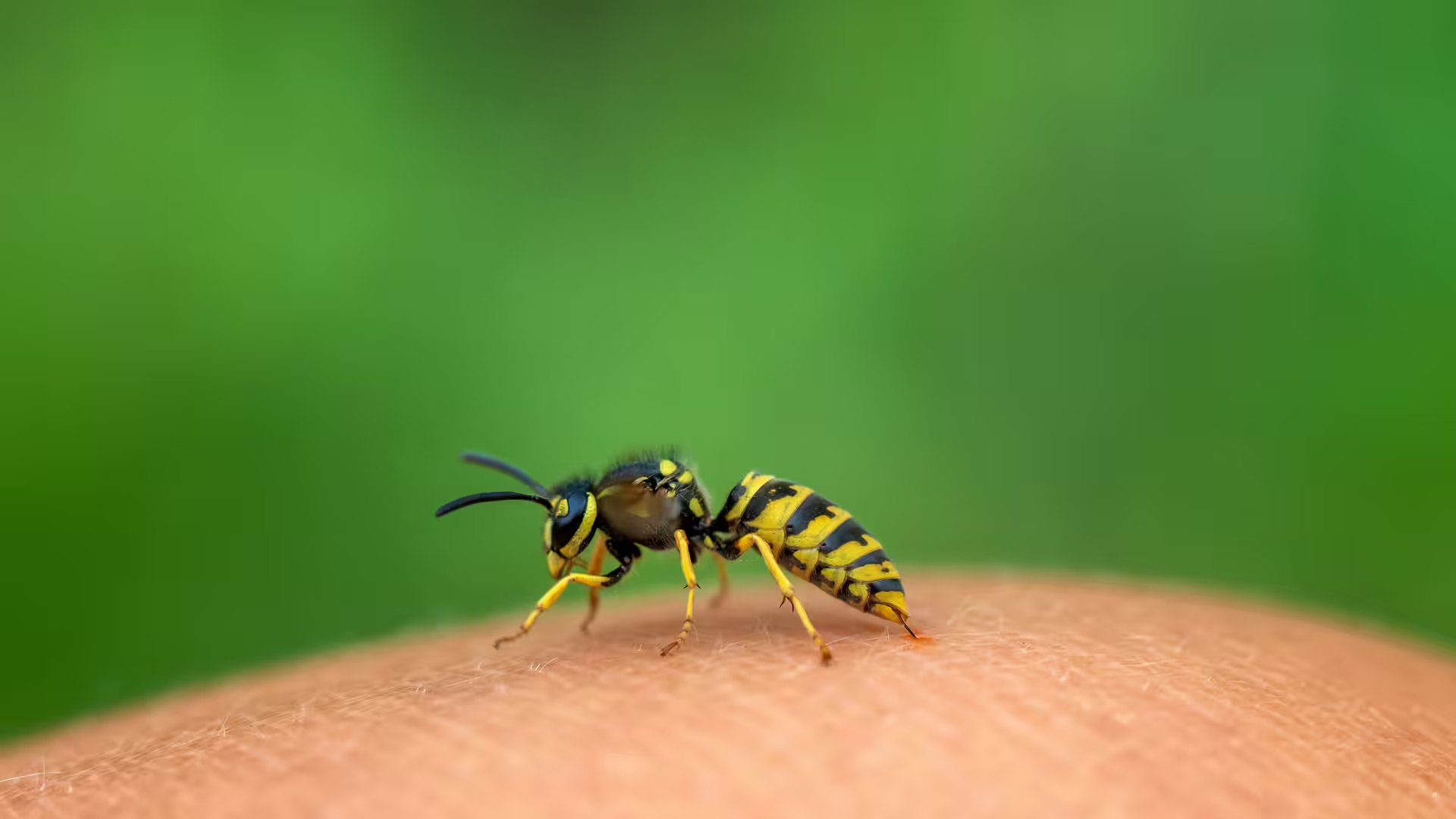
Yellow jacket stings turn dangerous in two different ways, and they don’t follow the same math. A raw sting count matters for one of them. It has almost nothing to do with the other, the one that actually sends most people to the ER.
How Many Stings Turn Dangerous
For a healthy adult with no allergy, the toxic dose from yellow jacket venom generally starts somewhere around 1,000 stings, sometimes fewer depending on body weight. That number sounds almost impossible to reach by accident, and for most people it is.
Someone would need to disturb a nest large enough to produce that kind of response and be unable to get away, which is a genuinely rare set of circumstances even among the calls we take every summer. The far more common danger isn’t toxicity from volume. It’s an allergic reaction that can turn serious from a single sting.
That distinction matters more than the raw number most searches are looking for. A person without a venom allergy could survive dozens of stings from a disturbed nest with nothing worse than pain and swelling that fades over a few days.
A person with a true allergy can go into anaphylaxis from one sting, regardless of how mild every previous sting in their life happened to be. Allergies to insect venom can also develop later in life, so a clean sting history, even from other stinging insects, isn’t a guarantee against a first serious reaction.
Why the Number Isn’t Fixed for Everyone
A few factors shift where the danger line actually sits:
- Body weight changes the toxic threshold, since venom load scales against total mass
- A known insect sting allergy overrides the sting count entirely
- Where the stings land matters too: near the face, neck, or mouth carries more risk than a limb
- Being young or older reduces the physical reserve needed to handle a bad reaction
None of these factors show up in a generic “how many stings is dangerous” answer. That’s exactly why two people can get stung the same number of times with completely different outcomes.
Allergic Reaction vs. Sting Toxicity
A normal sting reaction stays local. Pain and redness show up right at the site. Swelling follows and fades over a day or two, sometimes with mild itching as the area heals. An allergic reaction looks different from the start. Hives spread beyond the sting site, and swelling can show up in the face or throat even when the sting itself was on an arm or leg.
The timeline matters too. A normal reaction peaks within the first day and improves steadily. An allergic reaction can escalate within minutes.
Sting toxicity is a separate problem entirely, and it only shows up after a genuinely high number of stings, usually from someone who disturbed a large nest and couldn’t get away fast enough. Symptoms there include vomiting, diarrhea, and in extreme cases, a dangerous drop in blood pressure.
It’s rare, but it’s not the same emergency as an allergic reaction, and it doesn’t respond to the same treatment. Antihistamines help with an allergic reaction. They do very little for someone dealing with a toxic venom load from hundreds of stings.
Swelling That Signals Something More

Some swelling after a sting is completely normal. A few signs point to something beyond that:
- Swelling that spreads well past the sting site instead of staying local
- If swelling shows up in the face, lips, or throat, that’s a different category regardless of where the sting happened
- Hives showing up on parts of the body that weren’t stung
- Any change in breathing or swallowing is never a wait-and-see symptom
That last one means calling 911, not scheduling a follow-up appointment.
When to Go to the ER vs. Call a Pro
These are two different problems, and mixing them up costs time either way. A medical reaction needs a hospital, full stop. A yellow jacket problem in the yard needs a technician who can find and remove the nest before the next mowing pass finds it again.
Treating the medical side and ignoring the nest just means someone else gets stung next, often a family member who didn’t even know the nest was there. If breathing or swallowing feels affected at all, get to an ER or call 911 before doing anything else. The same goes for swelling that’s spreading fast, especially anywhere near the face.
If the sting reaction is normal but there’s an active nest on the property, that’s when professional stinging insect control becomes the priority. A nest that produced eleven stings in one pass will produce more the next time someone gets near it.
This content is provided for general informational purposes only and is not a substitute for professional medical advice, diagnosis, or treatment. Individual reactions to stings vary, and only a qualified healthcare provider can assess a specific situation. If you or someone else is experiencing a medical emergency, call 911 or go to the nearest emergency room immediately.
Treatment Steps While You Decide
For a normal, non-allergic reaction, a short list of steps covers most of what helps:
- Wash the area with soap and water to reduce irritation
- Apply a cold compress in short intervals to bring swelling down
- An oral antihistamine can help with itching and minor swelling
- Watch the area for the next hour, since allergic reactions can develop after the initial pain fades
Yellow jackets don’t leave a stinger behind the way honeybees do, so there’s nothing to remove from the skin. That’s one less step than most people expect.
Same-Day Inspection From Sentinel
If a nest on your property is still active after a sting, or you’re seeing more yellow jacket activity than usual around the yard, that’s worth a same-day look before anyone else gets close to it.
Give us a call at 253-538-2576 or reach out through our contact page, and we’ll get a technician out to find the nest and clear it safely. Same-day matters here. Waiting until the next mow or the next weekend in the yard usually means another trip to urgent care in the meantime.
We serve homeowners throughout the Puget Sound region, including: