

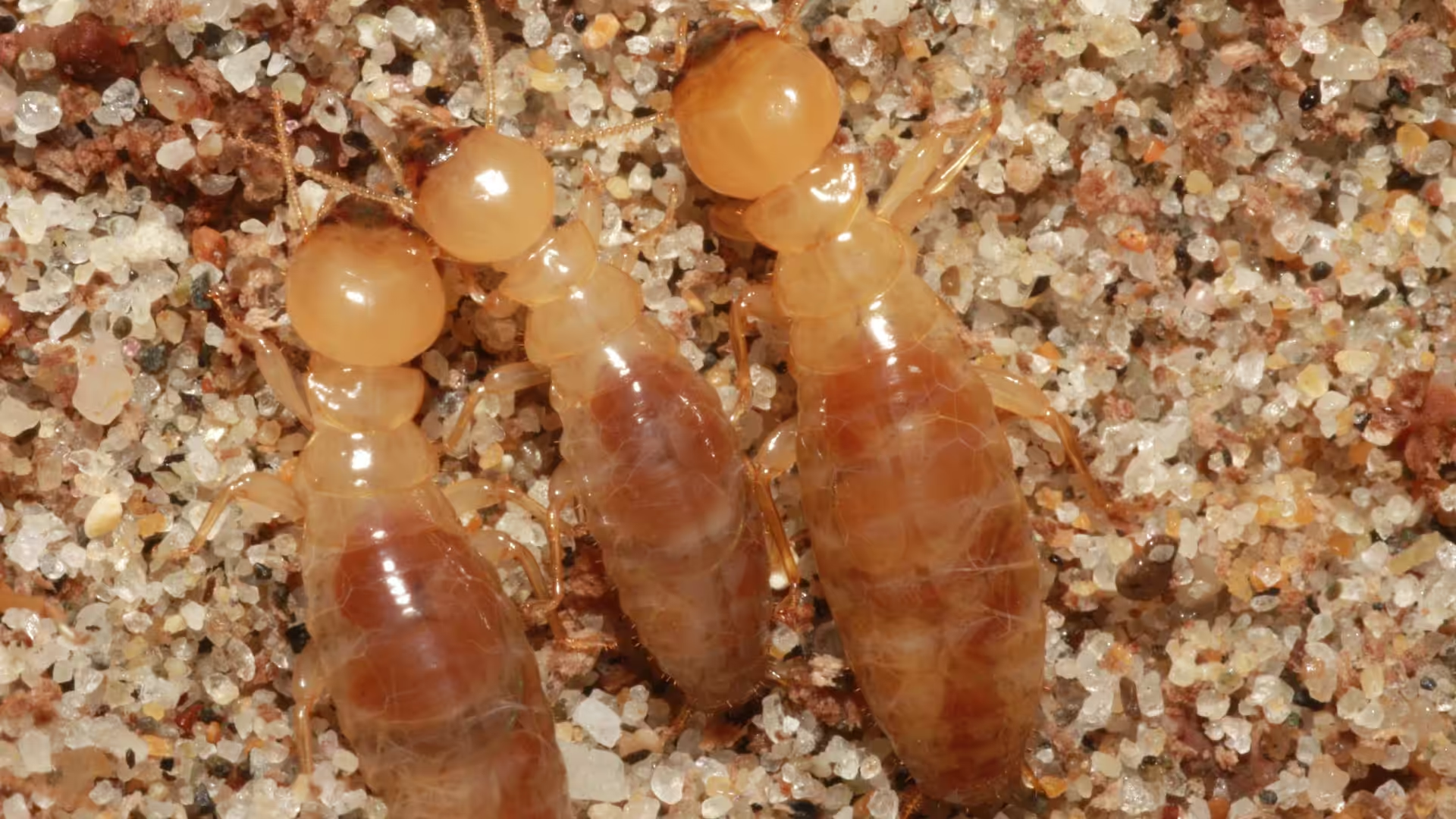
Dampwood termites are less common than other termite species. However, they still pose a serious threat to homes. These termites thrive in moist wood and often signal underlying moisture problems. Understanding dampwood termites helps homeowners identify risks early and take action before damage spreads.
Unlike more aggressive species, dampwood termites do not usually invade dry, healthy structures. Instead, they exploit weakness. Moisture softens wood fibers, making them easier to consume. Over time, this feeding weakens beams, framing, and supports. Left unchecked, damage can spread beyond the original moisture source.
This guide explains how dampwood termites differ from subterranean termites, how they behave, and what treatment options work best. Knowing the warning signs protects both your home and your investment by allowing repairs before structural integrity is compromised.
Dampwood Termites vs Subterranean Termites
Dampwood termites and subterranean termites differ in behavior, habitat, and risk factors. Proper identification is critical because treatment methods are not the same. Misidentifying the species can lead to ineffective control and continued damage.
Key Differences in Behavior and Damage
Dampwood termites prefer wood with high moisture content. They often infest decaying logs, damp structural wood, or areas affected by leaks. Subterranean termites, by contrast, live in soil and build mud tubes to access wood above ground.
Key differences between dampwood and subterranean termites include:
- Dampwood termites require consistently moist wood to survive
- Subterranean termites build mud tubes for protection
- Dampwood termites usually infest localized areas
- Subterranean termites often cause widespread structural damage
Because dampwood termites rely on moisture, infestations often point to drainage or ventilation issues. Plumbing leaks, roof failures, and poor airflow frequently play a role. Treating the termites without correcting these conditions leaves the home vulnerable to reinfestation.
Dampwood Termite Treatment Options
Treating dampwood termites focuses on both pest removal and moisture control. Without correcting moisture issues, infestations may return even after treatment.
How Moisture Control Affects Treatment
Moisture management is a key part of dampwood termite treatment. Leaking pipes, clogged gutters, poor ventilation, and wood-to-soil contact all create ideal conditions. Reducing moisture changes the environment and makes it less hospitable to termites.
Effective dampwood termite treatment options include:
- Removing and replacing damaged or infested wood
- Improving ventilation in crawl spaces or basements
- Fixing leaks and drainage problems
- Applying targeted professional termite treatments
In many cases, correcting moisture issues alone significantly reduces termite activity. However, professional treatment ensures complete elimination and long-term protection.
Dampwood Termites With Wings in Washington
Winged dampwood termites can alarm homeowners. Their presence often leads to confusion with other termite species, especially in regions with seasonal moisture.
Washington’s damp climate creates favorable conditions for dampwood termites. Rain, high humidity, and shaded areas increase the risk of moisture buildup in structures.
Why Winged Termites Appear Indoors
Winged termites, also called swarmers, appear during mating season. Dampwood termite swarmers usually emerge from damp wood rather than soil. Indoors, this often means moisture-damaged framing, trim, or window areas.
Common reasons winged dampwood termites appear indoors include:
- Excess moisture in walls or ceilings
- Water-damaged wood near windows or doors
- Poor ventilation in attics or crawl spaces
- Ongoing leaks that go unnoticed
Seeing winged termites indoors is a strong warning sign. It often means an active infestation nearby that requires immediate attention.
Protect Your Home With Sentinel Pest Control
Dampwood termites rarely infest dry, well-maintained homes. Their presence often reveals hidden moisture problems that can worsen over time. Ignoring the issue increases the risk of wood decay and structural damage.
Professional termite control targets both the infestation and the conditions that allow it to thrive. Trained technicians identify dampwood termite activity, recommend moisture corrections, and apply effective treatments.
If you suspect dampwood termites or notice winged termites indoors, professional help matters. Sentinel Pest Control provides expert termite treatment options that protect your home and prevent future infestations before serious damage occurs.