

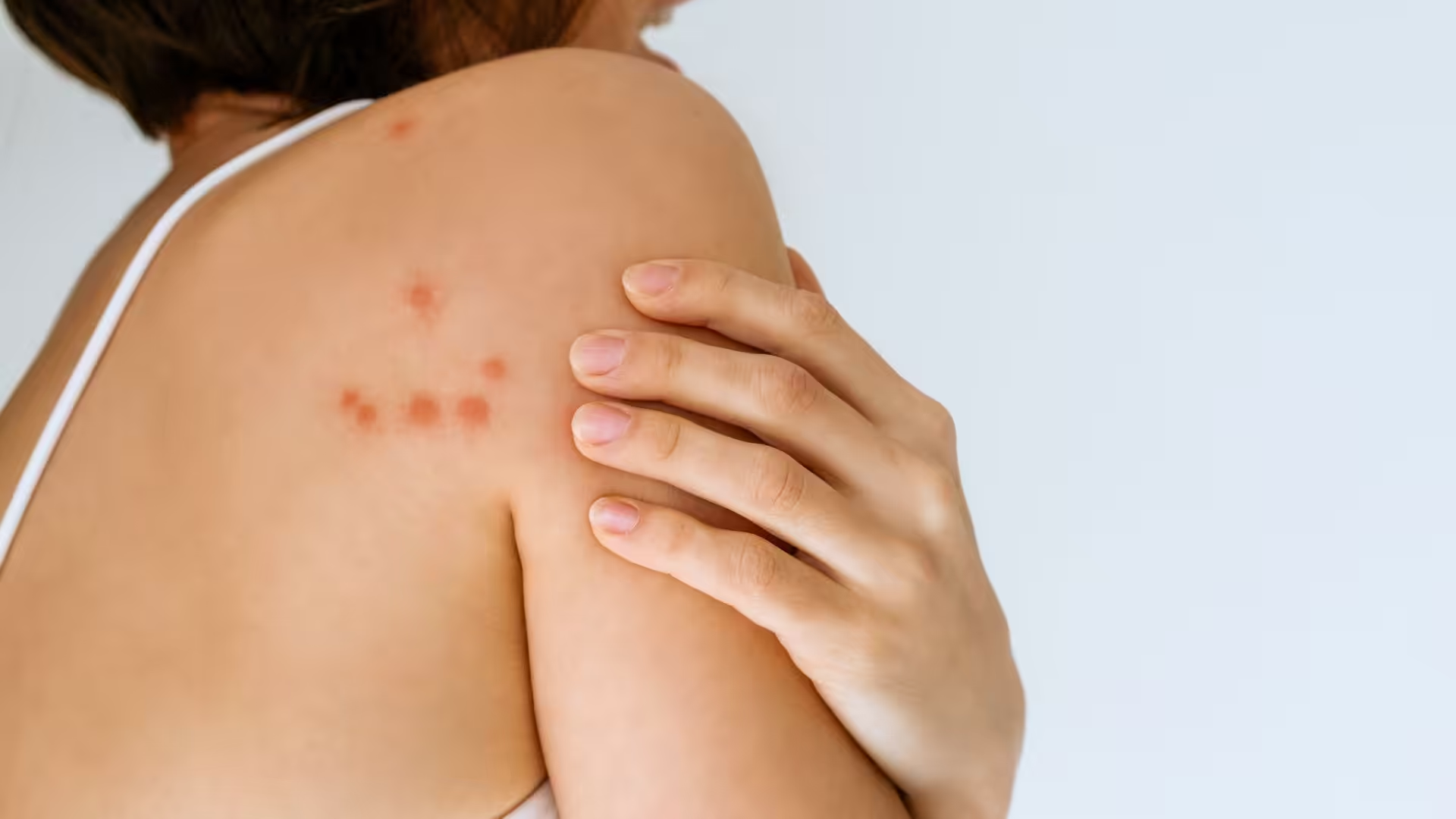
Waking up with unexplained marks can feel unsettling. Many homeowners struggle to identify bug bites because skin reactions differ. Some bites itch within minutes. Others surface days later. Often, the bite goes unnoticed until redness or swelling appears. Knowing what to look for helps you act fast and stop the problem from repeating.
This guide explains common bug bites on skin, how bites affect the human body, and when to seek help. It also highlights signs that point to pests hiding inside the home. Early recognition limits exposure and prevents a small problem from spreading.
Common Bug Bites and Stings
Bug bites and stings can look alike at first. Small details reveal the source. Size, spacing, and location often point to the insect involved. Identifying the pest guides treatment and prevents wasted effort.
Homes offer insects steady warmth, moisture, and shelter. These conditions allow pests to stay active year-round. Bites may continue even when insects remain out of sight. Many hide in walls, mattresses, furniture seams, or stored items, where activity goes unnoticed.
Common indoor pests that bite or sting include:
- Bed bugs, which feed at night and leave bites in lines or tight clusters
- Fleas, which jump between hosts and often bite ankles and lower legs
- Spiders, which bite when trapped or threatened
Each pest follows a different pattern. Bed bugs return to the same feeding spots. Fleas move fast and spread quickly. Spiders bite only under pressure. Behavior matters as much as appearance when identifying the cause.
How Bites and Stings Affect Humans
Most bites cause redness, itching, or swelling. These reactions occur when the body responds to saliva or venom left behind during feeding or defense. Many reactions stay mild. Others worsen as inflammation builds or sensitivity increases.
Scratching breaks the skin and invites infection. Open skin heals slowly and can scar. Repeated bites often signal active pests nearby. Spotting patterns early helps stop an infestation before it expands into other rooms.
Insects bite for different reasons. Blood-feeding pests need meals to survive. Stinging insects react to threats. Knowing the difference narrows the search and avoids confusion with rashes or allergies.
Differences in Bug Bites on Skin
Every insect leaves clues. Bite shape, placement, and timing help identify the source. Careful observation often reveals whether exposure happened indoors or outside.
Bites that appear overnight often trace back to pests hiding near beds or seating areas. Bites that show up after time outdoors point to yard or landscape pests. Timing matters as much as location.
Visual Signs That Help Identification
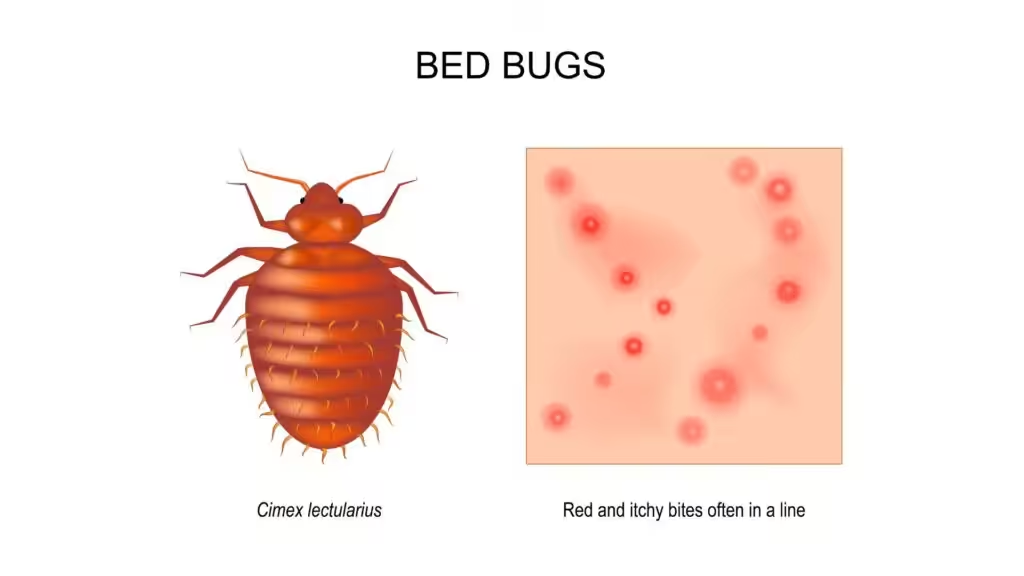
Bug bites on humans may appear alone, in clusters, or in straight lines. Bed bug bites often line up along exposed skin. Flea bites cluster near ankles and calves. Mosquito bites stand alone and rise quickly.
Other visual signs that help identify the cause include:
- Repeated placement, where bites appear in the same areas
- Increasing size, as swelling builds over several hours
- Skin texture changes, such as firmness or blistering
Color adds more clues. Some bites stay pink or red. Others darken or bruise. Swelling varies by insect and by person. Watching how bites change over time improves accuracy.
When Bug Bites on Humans Need Care
Most bites fade within days. Ongoing pain, spreading redness, or repeated outbreaks deserve attention. These signs often point to an unresolved pest problem rather than a one-time encounter.
Symptoms That Signal a Serious Reaction
Severe swelling, intense pain, or redness that spreads can signal an allergic reaction. Trouble breathing, dizziness, or swelling of the face or throat requires immediate medical care.
Infections pose another risk. Warmth, pus, or increasing pain around a bite suggests bacteria have entered the skin. Bites that fail to heal or keep returning often indicate pests hiding indoors. Treating symptoms without addressing the source allows the problem to continue.
Control Pests That Cause Bites With Sentinel
Relief creams calm skin, but they do not stop bites. Pests keep feeding until removed. Identification and control must work together.
Professional pest control targets the insects responsible for bites on skin. Trained technicians find nesting areas, entry points, and hiding spots that homeowners often miss. Treatments match the pest, which improves results and reduces repeat issues.
If you struggle to identify bug bites or notice skin reactions that keep returning, Sentinel Pest Control helps remove the cause. Their targeted approach stops pests at the source, protects your home, and restores peace of mind by preventing bites from coming back.