

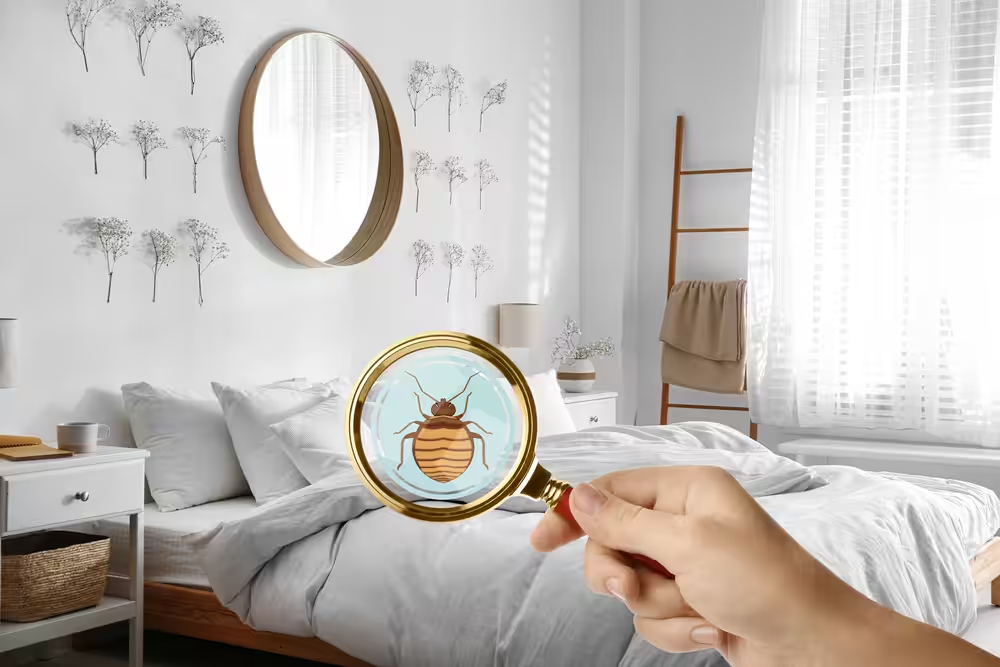
You wake up in your Bellevue home, scratch your arm, notice a small, red welt, and think, “Must be a mosquito.”
But what if it’s not? What if your culprit is a much peskier intruder: bed bugs?
These tiny pests, no bigger than an apple seed, are notorious globe-trotters, hitching rides on luggage, furniture, and yes, even clothing. Around one in five Americans has dealt with a bed bug problem, and Washington State is no exception, with its high rate of travel hubs and hotels in areas like downtown Bellevue.
Don’t panic: you’ve got solutions. This guide will help you understand the signs of bed bugs, how to check for bed bugs, and when to opt for bed bug treatment Bellevue residents trust—because nobody likes uninvited houseguests, especially the biting kind.
How to Correctly Identify Bed Bugs and Their Bites
First thing’s first, we need to confirm what we’re dealing with. A bed bug issue may start quietly but escalates quickly if left unchecked. Knowing what to look for is crucial.
What Bed Bugs Look Like
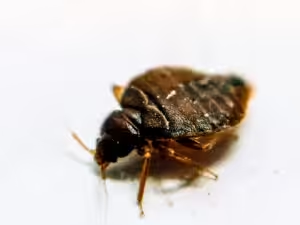
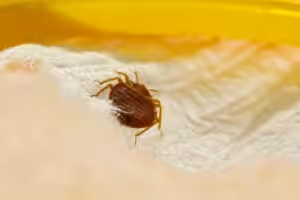
Adults are small (4-5mm), oval, and reddish-brown. Despite their size, they’re visible to the naked eye. Bed bug eggs, on the other hand, are white, about the size of a pinhead, and usually clustered together in crevices.
Bed Bug Bites
These bites are often in clusters or rows and tend to appear on exposed skin: arms, legs, and neck. They’re red, itchy, and can resemble mosquito bites. The bites show up within hours or days of being bitten, so you might not connect the dots right away.
Signs Around Your Home
Spot tiny bloodstains on your sheets? How about minuscule dark, rusty specks along your mattress seams? These are telltale signs of bed bugs. They also shed their exoskeletons between feedings, leaving behind translucent casings.
How to Check for Bed Bugs
It’s one thing to suspect bed bugs, but it’s another to confirm their presence. Follow this methodical approach to how to check for bed bugs like a pro.
- Inspect High-Traffic Zones for Bed Bugs: Bed bugs love to chill where you do. Start with mattresses, especially seams and corners. Move on to box springs, headboards, and nearby furniture.
- Expand the Search Beyond Your Bed: Think beyond the bedroom, especially if you’ve been traveling. Bed bugs also hide in sofas, curtains, and even electrical outlets! They’re not picky about their hideouts.
- Use a Flashlight and Magnifying Glass: Shine a light into cracks, crevices, and any dark spots on furniture where bed bugs might dwell.
Here’s a pro tip: if you’ve gone through this and still suspect an infestation, bring in backup. A professional bed bug exterminator Bellevue homeowners rely on, like us at Sentinel Pest, can pinpoint the issue fast.
Top Places Bed Bugs Hide (It’s Not Just the Bed!)
While “bed” is in their name, these critters are a lot sneakier than you might think. Sure, mattresses are their favorite hangouts, but they’ll make a home almost anywhere with access to a warm-blooded meal (you).
Here’s a breakdown of their usual haunts:
- Furniture: Couches, chairs, and even office furniture are common spots for unwelcome roommates.
- Cracks in Walls: Any gap between walls, baseboards, or floorboards is fair game.
- Luggage: If you’ve been traveling recently, inspect suitcases, duffel bags, and backpacks. Bed bugs love to stow away.
- Electronics: Even gadgets like alarm clocks or TVs can be infested.
Believe it or not, bed bugs can survive for months without feeding. Getting ahead of them quickly is key, or you’ll have more roommates than you bargained for.
What to Do Immediately If You Suspect a Bed Bug Problem
Timing is everything when it comes to bed bugs, so acting fast will save you a headache (and a lot of scratching). Here’s your first move:
- Don’t Panic: Wash your bedding, clothes, or any fabric in hot water and dry on high heat. Heat over 120°F kills bed bugs and their eggs.
- Isolate the Infested Area: Seal items in plastic bags if they can’t be immediately washed.
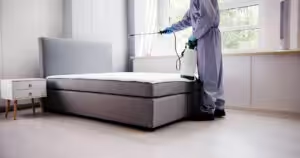
- Call an Expert: DIY chemical treatments can be dangerous and often less effective than professional methods. For thorough bed bug treatment Bellevue residents trust, professional exterminators like us will ensure no bed bug is left behind.
Did You Know?
Bed bugs are impressively hardy for their size. They can live up to 400 days without feeding under the right circumstances. This resilience is why professional-grade solutions are often more effective than store-bought sprays. Don’t give them that grace period – act fast and kick them out.
Call the Top Bed Bug Exterminator in Bellevue Today
Got bed bugs? We’ve got your back. At Sentinel Pest, we specialize in safe, effective bed bug treatment Bellevue homeowners can count on.
With professional-grade tools and proven techniques, we can help you restore peace to your home. Don’t wait for the next bite. Contact us today to schedule your inspection or treatment.
FAQ
What are the early signs of bed bugs?
Early signs of bed bugs include itchy bites in clusters or rows, small bloodstains on sheets, and dark spotting around mattress seams or bed frames.
How to check for bed bugs at home?
To confirm your suspicions, inspect mattresses, furniture, and cracks using a flashlight. Look for live bugs, eggs, or their shed skins. Still not sure? Call a pro.
How fast can bed bugs spread in a home?
Bed bugs are quick movers. They can spread from room to room within a day by hitchhiking on people, pets, or personal items.
What should I avoid during a DIY bed bug treatment?
Avoid using over-the-counter sprays or chemicals that can scatter bed bugs further into hidden areas. Professional solutions are more targeted and safer.