


Ah, jumping spiders. These acrobatic arachnids have been repeatedly making their presence known in Colorado homes as cooler September temperatures drive them indoors.
But, “are jumping spiders poisonous,” isn’t the right question to ask after all. Not only are these spiders harmless, but the miniature hunters are actually some of nature’s most effective pest controllers, capable of leaping up to 50 times their own body length to catch a snack.
While most people instinctively reach for the nearest shoe when they spot any eight-legged creature, jumping spiders deserve a second look. These remarkable creatures have been quietly protecting your home from flies, mosquitoes, and other unwanted insects all summer long.
As autumn approaches and spiders seek winter shelter in Lakewood homes from Green Mountain to Bear Creek, understanding these beneficial predators can help you make informed decisions about which spiders to welcome and which ones warrant professional attention.
Are Jumping Spiders Poisonous or Dangerous to Humans?
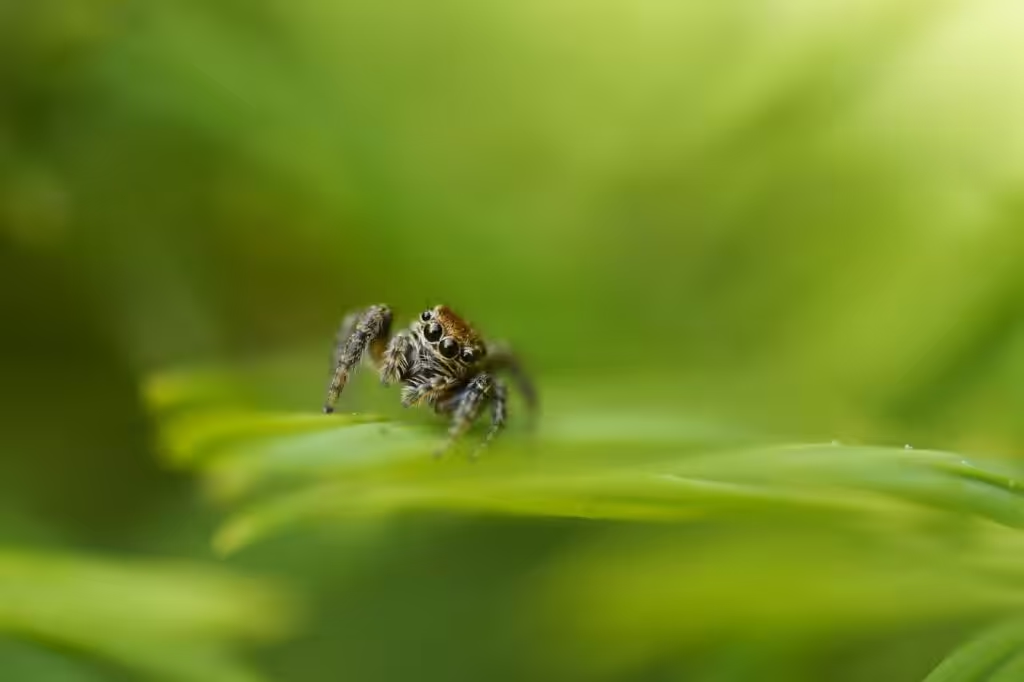
Jumping spiders are venomous, not poisonous, and that’s an important distinction to make. Poisonous creatures are dangerous when eaten (think poison dart frogs), while venomous animals inject toxins through bites or stings. Nearly all spiders are technically venomous, but jumping spiders pose virtually zero threat to humans.
The venom jumping spiders produce is designed specifically for tiny prey like flies and gnats. For humans, a jumping spider bite feels similar to a minor bee sting at worst, though bites are extremely rare. These spiders are naturally curious rather than aggressive, and they’re far more likely to hop away than attack when they encounter something as massive as a human.
Jumping spider bites are not considered medically significant; in fact, most people who think they’ve been bitten by a spider were actually bitten by another insect entirely. The real question homeowners should ask isn’t “are jumping spiders poisonous” but rather “should I be worried about them at all?”
Identifying Jumping Spiders by Their Unique Appearance and Behavior
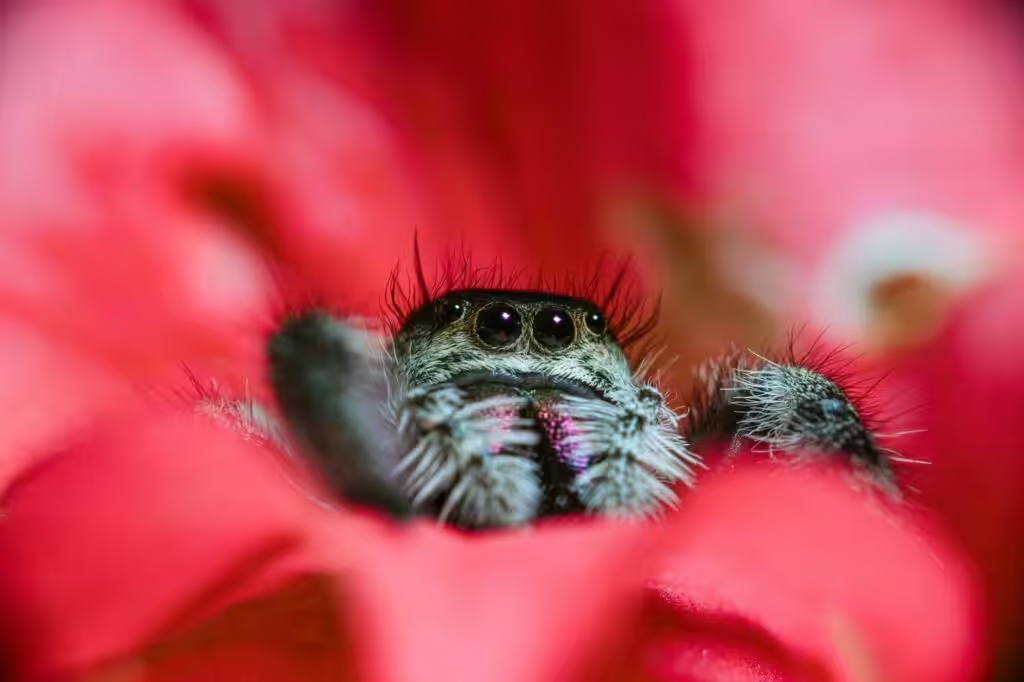
Jumping spiders are the show-offs of the spider world, and once you know what to look for, they’re impossible to miss. These compact hunters typically measure between 4-20mm in length and sport some of the most striking features in the arachnid kingdom.
Their physical characteristics include:
- Large, forward-facing eyes that give them excellent vision (some species can see in color)
- Fuzzy, often iridescent bodies with metallic greens, blues, or bronzes
- Short, stocky legs built for jumping rather than web-spinning
- Distinctive hunting posture with front legs raised like tiny boxing gloves
In addition, their behavior sets them apart from other spiders. Instead of building webs and waiting for prey, jumping spiders actively hunt during daylight hours. You’ll spot them stalking across walls, windowsills, and outdoor furniture around Lakewood’s Belmar District or along the trails near William Frederick Hayden Park.
They move in quick, jerky motions and will often turn to face you directly: their excellent eyesight makes them surprisingly aware of human presence.
Unlike web-building spiders that prefer dark, undisturbed corners, jumping spiders gravitate toward sunny spots where flying insects congregate. This makes them particularly visible on south-facing windows and glass doors during peak sunlight hours.
The Truth About Jumping Spider Bites and Venom
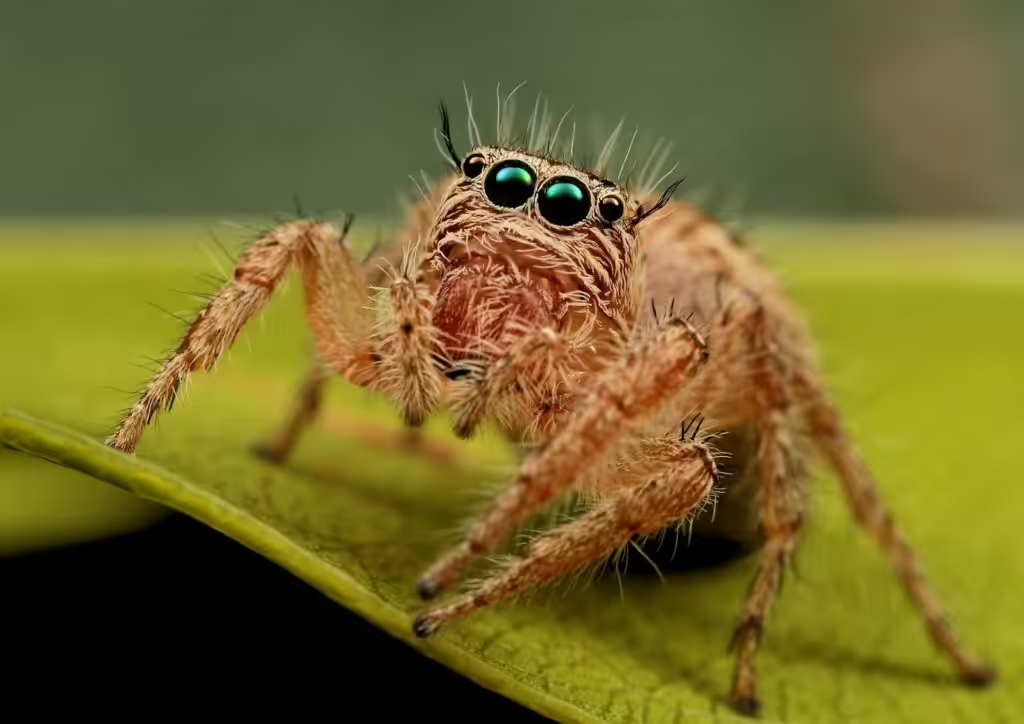
Again, jumping spider bites are both incredibly rare and remarkably mild. These spiders have tiny fangs that struggle to penetrate human skin, and their venom is calibrated for creatures weighing mere milligrams, not humans who outweigh them by millions of times.
When bites do occur (usually when a spider is accidentally trapped against skin) the symptoms generally remain localized and minor. You might experience slight redness, mild swelling, or a small bump that resembles a mosquito bite. Unlike brown recluse or black widow bites that can cause systemic reactions, jumping spider bites resolve on their own within 24-48 hours without medical intervention.
It’s also important to note that jumping spiders are beneficial allies in home pest management. A single jumping spider consumes hundreds of flying insects throughout its lifetime, including mosquitoes, flies, and gnats that actually do pose health risks to humans. Rather than asking “are jumping spiders poisonous,” Lakewood homeowners might consider whether these natural pest controllers deserve a place in their integrated pest management strategy.
Did You Know?
Jumping spiders possess some of the most sophisticated vision systems in the animal kingdom, with research showing they can distinguish colors and patterns better than many mammals. This exceptional eyesight, combined with their ability to plan complex hunting routes, makes them more cognitively advanced than most insects they hunt.
When to Call Pest Control for Spider Issues in Lakewood
While jumping spiders deserve tolerance, certain situations warrant professional intervention. At Sentinel Pest Control, we recommend contacting our team when you encounter large numbers of spiders indoors, discover egg sacs in living spaces, or identify potentially dangerous species like black widows or brown recluses.
Our integrated approach focuses on addressing underlying conditions that attract spiders while preserving beneficial species that help control other pests. We understand that every spider situation is unique, especially in Colorado’s diverse ecosystems from the foothills to the plains.
Ready to learn more about spider management for your Lakewood home? Contact Sentinel Pest Control for a comprehensive evaluation that protects both your family and the beneficial creatures that help keep your property pest-free.
FAQ
Are jumping spiders poisonous to pets?
Jumping spiders pose no significant threat to cats or dogs. Their venom is designed for tiny insects and cannot harm pets, even if consumed.
How can I tell jumping spiders apart from dangerous spiders?
Jumping spiders are small, fuzzy, active during the day, and have large forward-facing eyes. Dangerous spiders like black widows are typically larger, web-builders, and active at night.
Should I remove jumping spiders from my Lakewood home?
Jumping spiders provide natural pest control and pose no danger. Unless populations become excessive, they’re beneficial to have around.
When is the best time for spider control services in Lakewood?
Late summer and early fall are optimal times for spider management, as this is when spiders seek indoor shelter for winter.
Do jumping spiders build webs in homes?
Jumping spiders don’t build traditional webs for catching prey. They may create small silk retreat shelters but won’t create the large webs associated with other spider species.