

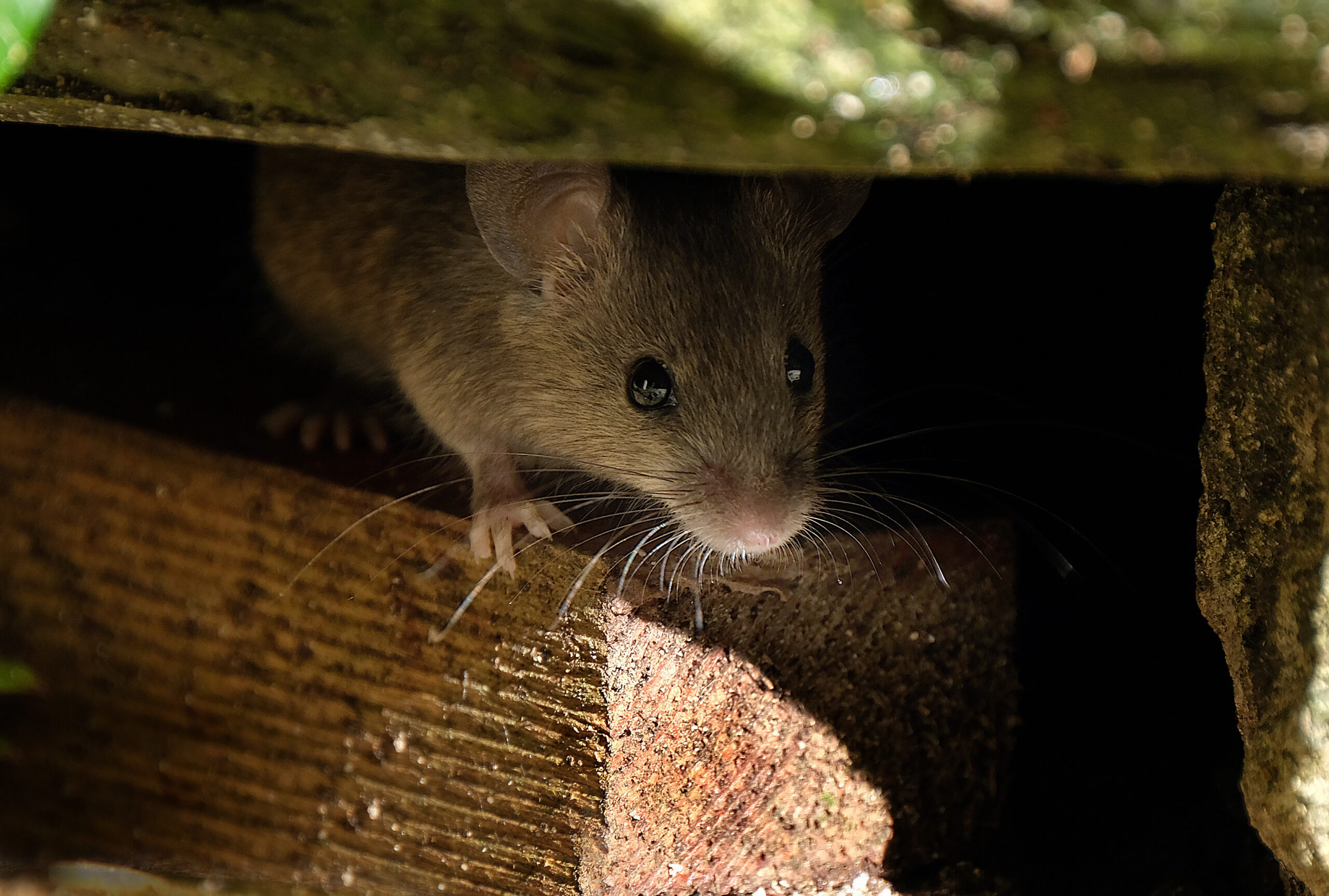
November in Western Washington is prime time for mice to move indoors. As temperatures drop, mice move into the warmest parts of your home, and the attic is often the first place they end up. The attic offers everything they need: insulation for nesting, darkness, and easy access from the roofline. If you have been hearing scratching above your ceiling at night, this guide covers how to confirm you have mice, what damage they leave behind, and how professional exclusion keeps them out for good.
How to Tell You Have Mice in the Attic
Mice rank among the most common household pests in Washington, especially during colder months when they seek warmth indoors. In the attic, you may never see a live mouse, so you have to read the signs they leave behind.
Gnawing sounds in attics or crawl spaces strongly indicate rodent activity. You may also notice a pungent urine odor drifting down through a ceiling vent or light fixture. Scratching noises at night are another reliable tell, as rodents are most active after dark.
When you do get into the attic, look for nests built from shredded insulation, paper, or fabric tucked into corners. Droppings and urine stains near entry points, along joists, and beside insulation batts confirm an active infestation. Evidence of chewing on wires and stored items is also common.
Common Attic Entry Points Mice Use
A gap as small as a quarter inch gives a mouse enough room to get in. Roof rats, common in coastal areas of Western Washington, are also adept at reaching upper entry points, so any weakness along the roofline is fair game.
Traps placed in corners, along walls, and near insulation can help confirm activity and catch strays, but they do not address the entry points that allow more mice to follow.
What Damage Mice Cause in an Attic
Insulation is the first casualty. Mice tear it apart to build nests, which reduces your home’s energy efficiency. Sentinel can blow new insulation into your attic after an infestation is resolved, restoring what was lost.
Torn insulation and damage to structural elements are documented signs of rodent activity in attics. Chewed wiring is another serious concern, and wires in attic spaces are often out of sight until something goes wrong.
Rodent urine and feces create an odor problem that can outlast the infestation. Once rodents have infiltrated an attic, the smell of their urine and feces can continue to draw other rodents from the area. In severe cases, sanitization is the only option to remove the odor, and contaminated insulation must be removed and replaced.
How Professional Exclusion Gets Mice Out
Effective rodent control requires collaboration between a pest control professional and a home or business owner. Trapping, baiting, rodent proofing, and removal of conditions that attract rodents are the four core steps.
Sentinel provides exclusion services that seal up all rodent access points. This includes repairing broken vents, screening off entry holes, and sealing any openings along the roofline or soffit that mice use to enter. Sealing gaps with materials mice cannot chew through is key to keeping them from returning.
After controlling the active infestation, contaminated materials, including insulation, are removed and replaced. Sentinel’s services include blowing new insulation into the attic to restore both cleanliness and energy efficiency after a rodent infestation is cleared.
Sentinel’s professionals do not just focus on trapping mice. Our approach includes thorough inspections to identify where mice are coming from, customized solutions tailored to your home, and prevention measures once the mice are gone.
If you need rodent management services in Tacoma, Puyallup, Seattle, or anywhere in the Puget Sound area, we can help.
Why November Is the Time to Act in Washington
The Pacific Northwest pest calendar is clear: November and December are peak months for rodents and moisture-loving pests. Rodent activity ramps up in September and October as mice seek warmth indoors, and it continues through the wet season into April.
Waiting until you hear constant scratching or find widespread damage costs more to fix. A November inspection and exclusion treatment addresses the problem while it is still manageable.
Frequently Asked Questions
How do I know if I have mice in my attic and not rats?
Mice and rats are entirely different species. Mice leave smaller droppings and build tighter nests tucked into insulation. Roof rats are slender with long tails and are common in Western Washington, while Norway rats are stockier and tend to stay at lower elevations. A professional inspection can confirm exactly what species is present.
Can mice in the attic get into the rest of my house?
Yes. Once they are in the attic, mice can move into other parts of the structure. Consistent exclusion that seals all entry points is the only way to stop them from moving through the structure.
Do I need to replace my attic insulation after a mouse infestation?
Often yes. Rodent urine and feces contaminate insulation and can create an odor that draws other rodents back, even after you clear the original infestation. In severe infestations, the recommended course of action is to remove and replace contaminated insulation and sanitize the space.
Will mice in the attic go away on their own in winter?
No. Mice move indoors specifically to escape the cold. November and December are peak months for rodent activity in Washington, so mice that have already entered your attic will likely stay through the wet season.
Hearing scratching overhead? Sentinel Pest Control serves homeowners and businesses across Western Washington with rodent exclusion, attic inspections, and insulation replacement. Call us at 253-538-2576 or book online before the wet season settles in.
Quick links
Related services
- Rodent Management & Control: The core service for trapping, baiting, and excluding mice from your attic and home.
- Rodent Control in Puyallup: Local rodent control for Puyallup homeowners dealing with mice or rats this fall and winter.
- How to Get Rid of Rats: If your attic inspection reveals roof rats rather than mice, this page covers next steps.