

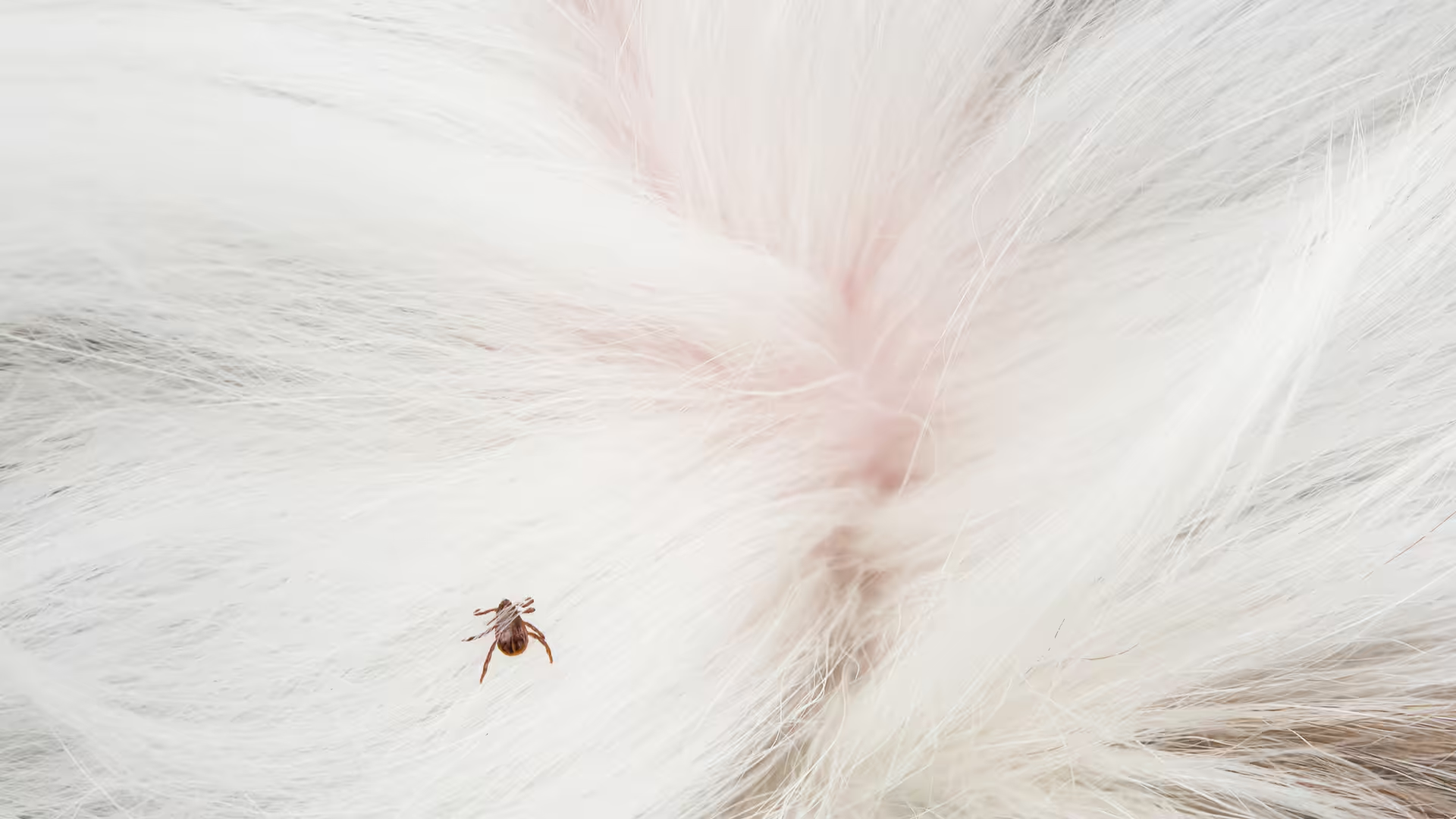
Most things that look like ticks aren’t ticks. Mites and beetles get mistaken for them all the time, and so do small seeds caught in fabric. Knowing what you’re actually looking at saves you the panic and the unnecessary treatments.
Below, you’ll learn how to spot a real tick and which bugs that look like ticks show up most often across Washington homes and yards.
How to Identify a Real Tick First
A tick is an arachnid, not an insect. That single fact rules out most lookalikes. What ticks look like depends partly on whether they’ve fed. Unfed ticks are flat and seed-shaped, with eight legs and no antennae. Once a tick has been attached for a day or two, the body swells to several times its original size and shifts to a pale gray or olive color.
A few quick tick identification checks:
- Count the legs first. Eight points to an arachnid (possibly a tick); six means it’s an insect
- On the back, just behind the head, you’ll see a hard or leathery shield called the scutum
- A flat body usually means unfed; a rounded and pale-colored body means engorged
- Watch the movement. Ticks crawl slowly and never jump or fly
If you’re trying to figure out how to tell if it is a tick, those four checks settle it most of the time. What throws people off is size, since a nymph really does look like a poppy seed.
Common Tick Species in Western Washington
Three species account for most tick encounters west of the Cascades.
Start with the western black-legged tick. Small, with dark legs, this is the only species in our area known to carry Lyme disease. Adults run about the size of a sesame seed and stay most active in the cooler months from fall through spring.
Nymphs, closer to a poppy seed, peak in late spring and early summer. The nymphs cause most of the disease transmission because people don’t see them.
In grassy fields and along trail edges, the American dog tick takes over. Larger than the black-legged, brown with cream or gray markings on the dorsal shield, this one prefers dogs but bites humans, too.
Then there’s the brown dog tick. It’s the species most likely to establish indoors when an infested pet brings it home. Reddish-brown and plain-bodied, the brown dog tick is the only common species in our region that can finish its full life cycle inside a house.
5 Bugs Commonly Mistaken for Ticks in the Pacific Northwest
Plenty of small bugs trigger a tick scare without being one. The question of what bug looks like a tick comes up around five specific culprits in Washington homes and yards. While the phrase tick lookalike insects gets used loosely, several of these aren’t insects at all.
Clover Mites, Spider Beetles, Lice, Book Lice, and Poppy Seeds
-
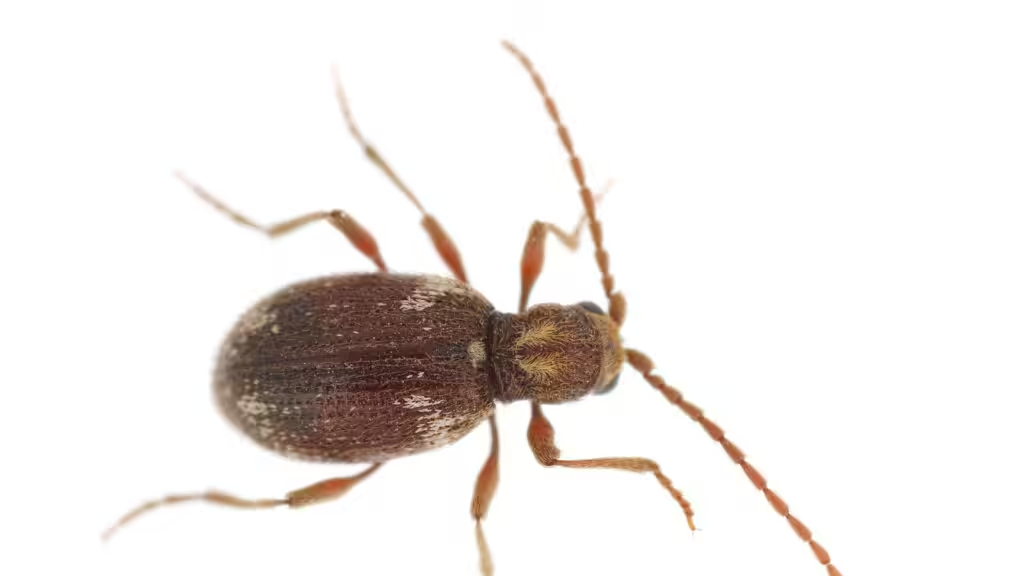
- Spider Beetle
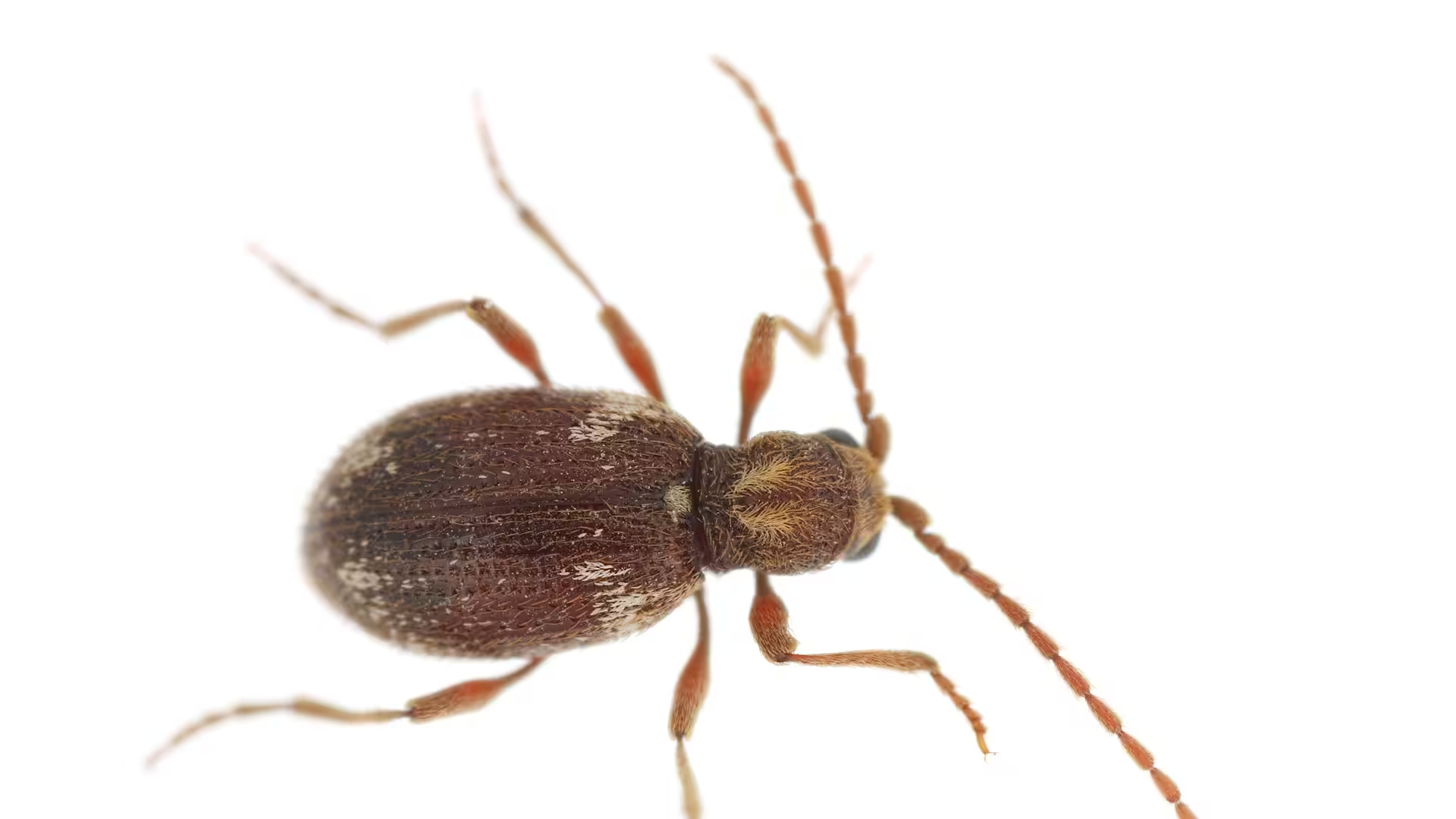
-
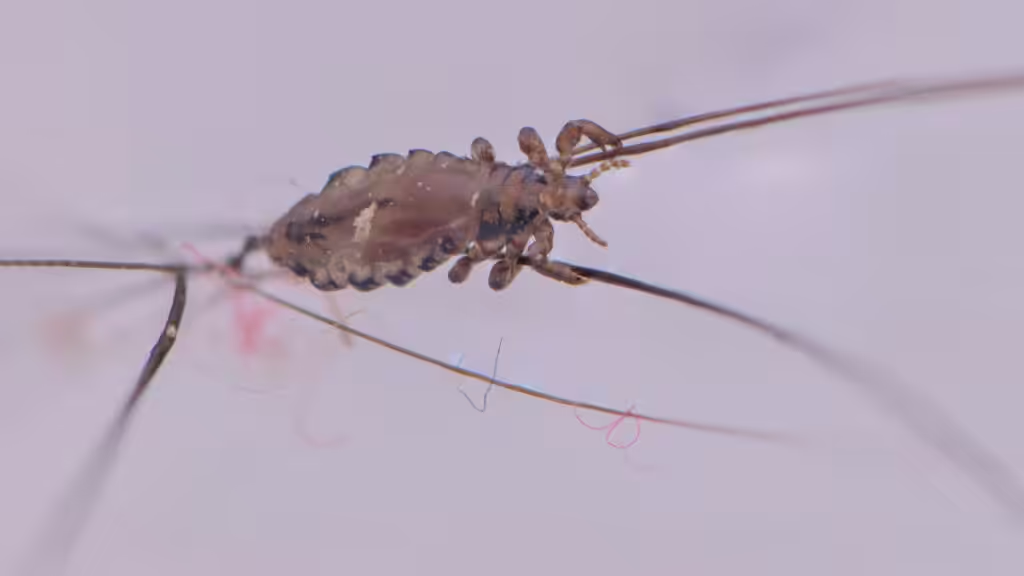
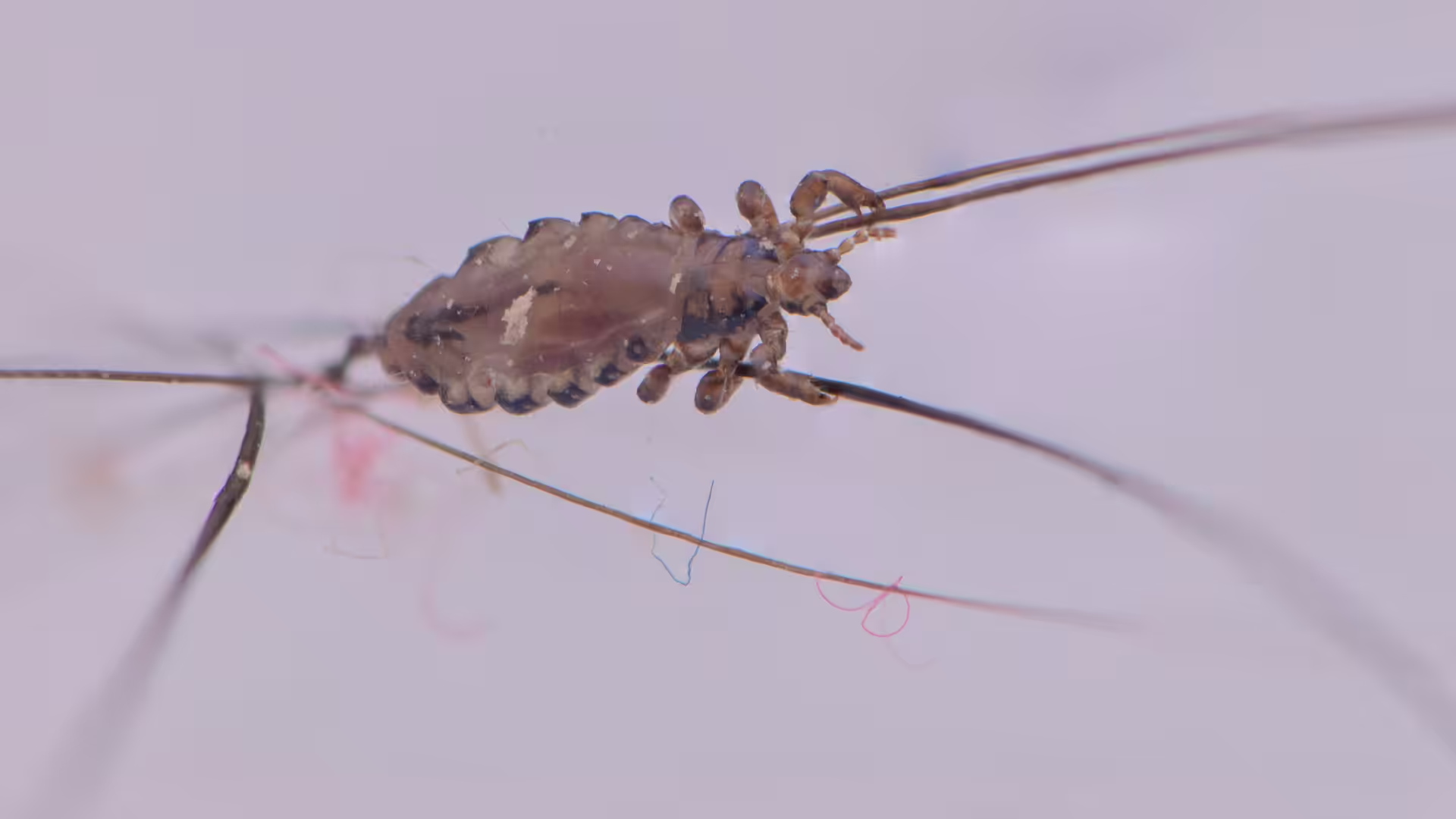
- Head Louse
-
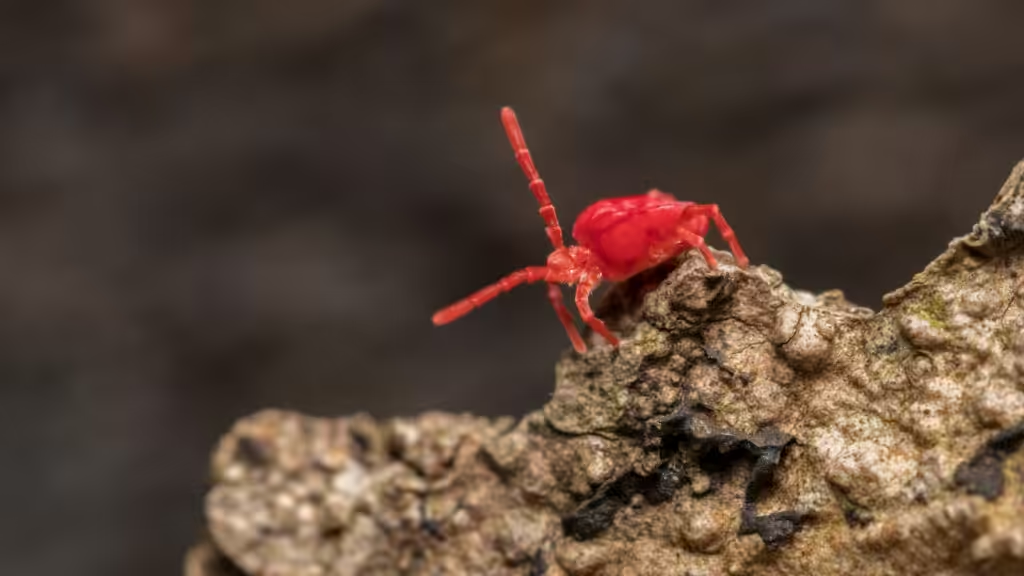
- Clover Mite
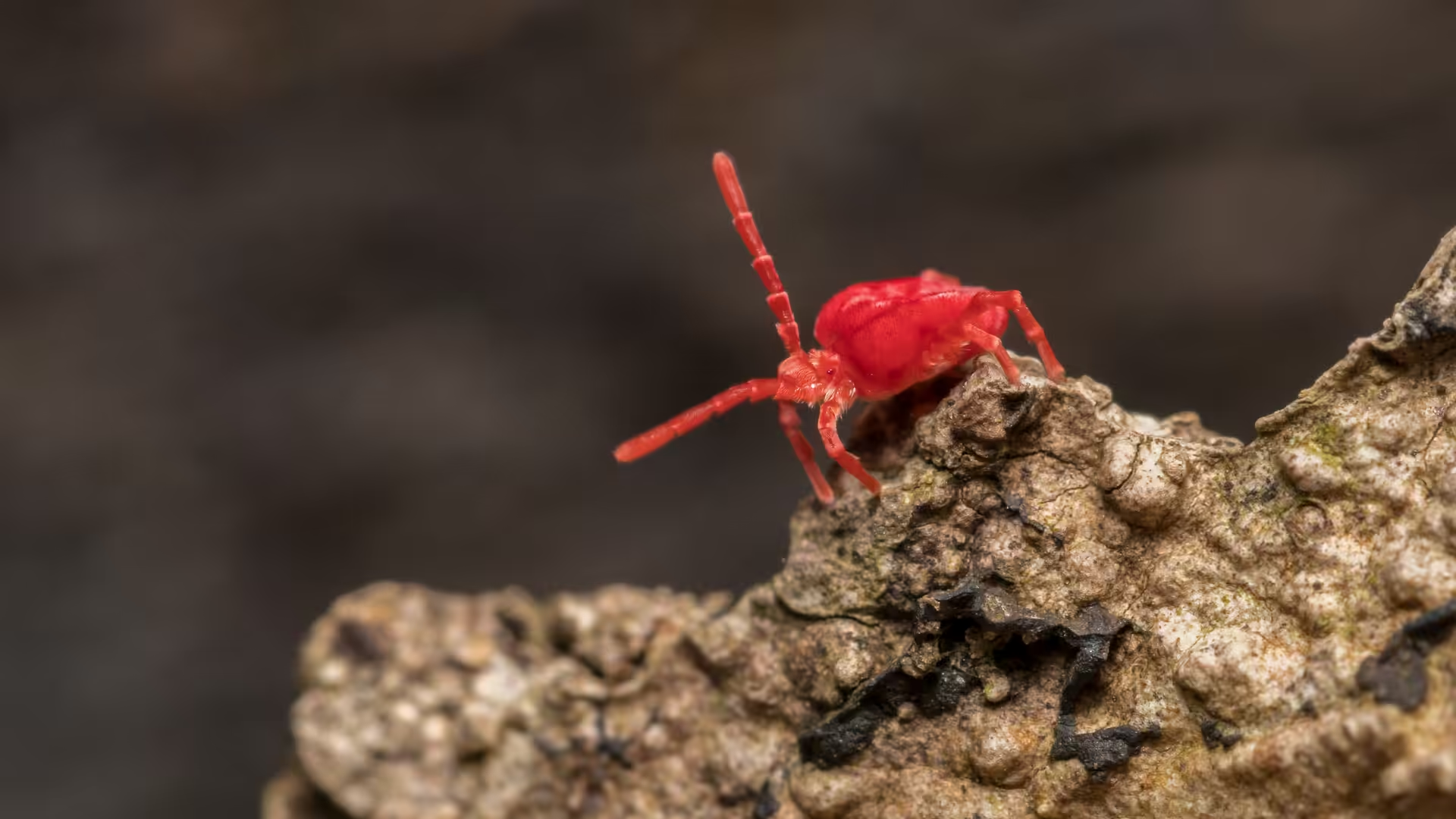
Clover mites generate the biggest spring panic. They’re bright red and pinhead-sized, and they pile up on sunny south-facing windowsills.
Eight legs put them in the arachnid family with ticks. That’s where the confusion starts. They’re far smaller than even a nymph tick, and they leave a red streak when crushed. The clover mite vs tick spider question comes up at our office every spring.
Spider beetles look like engorged ticks at first glance. Round, shiny body, but six legs and a clear head segment give them away. Most show up in pantries or near stored grain, not on skin.
Lice are flatter and longer than ticks, with six legs and a body built for clinging to hair shafts. They cause their own kind of panic, especially when spotted on a child’s scalp.
Book lice (psocids) live in damp paper and old books, often near bathrooms. They top out under 2mm and don’t bite. Spotting one on a windowsill can pass for a tick scare for about three seconds.
Poppy seeds earn a spot here because nymph black-legged ticks really do look like them. Bakery crumbs on a pant leg get checked more than once during tick season. The tell is simple: a poppy seed has no legs and won’t move when nudged.
For a wider look at what bites and what doesn’t around here, our guide on common bites and stings around the Pacific Northwest covers the rest.
Lice vs Ticks: The Key Differences
- Six legs versus eight (lice have six, ticks have eight)
- Body shapes split clean: lice run long and narrow, ticks oval and flat
- While lice live entirely on a host, ticks attach for a blood meal and drop off
- Eggs glued to hair shafts? That’s lice. Eggs in soil or leaf litter? Ticks
- A louse rarely leaves its host; a tick crawls actively until it finds one
Why Correct Identification Changes How You Respond
Wrong ID leads to a wrong response. A tick bite calls for careful removal and a few weeks of watching the area for any rash. Lice are a different problem entirely, treated with targeted shampoo and a thorough laundry pass.
Clover mites and book lice don’t need bug sprays at all. They’re a moisture and entry-point issue, fixed with weatherstripping and dehumidifiers more than chemicals.
Misidentifying a clover mite as a tick creates unnecessary worry about Lyme exposure. Going the other way is worse: assuming you’ve found one of the insects that look like ticks when it’s actually the real thing, and missing the bite.
If you’re trying to identify a bite mark instead of the bug itself, the bug bite identification guide walks through the most common patterns. For homes with confirmed bed bug activity, the bed bug protection guide covers the steps that actually work.
Not Sure What You Found? Sentinel Pest Control Can Identify It and Treat It
Bring us a photo or a sealed sample. We’ll tell you what it is, no charge for the ID, and if treatment is needed, we’ll match it to the actual pest instead of guessing. Get in touch or browse our pest control services for what we cover across Washington.