

Ant Invasion in Seattle? How to Stop the March and Keep Them Out for Good

Seattle summers mean sunshine, festivals, and unwelcome guests: ants. If you’ve noticed a parade of tiny invaders marching through your kitchen, you’re not alone.
Ant infestations tend to spike in Seattle during the warmer months, when pests like pavement ants and carpenter ants become especially active. With our region’s dense neighborhoods, such as Capitol Hill and Ballard, ants don’t just crash backyard BBQs. They set up shop right inside your home.
Left unchecked, they can cause serious headaches. And, in the case of carpenter ants in Washington, even structural damage.
If you’re on a mission to reclaim your home, trust ant control Seattle experts like Sentinel Pest to get the job done right. Here’s everything you need to know to kick ants out for good!
Identifying Common Ant Species in Western Washington

Before you can solve a problem, you need to know exactly what you’re dealing with. Seattle isn’t home to just one type of ant. Indeed, our region hosts a few key players.
Carpenter Ants
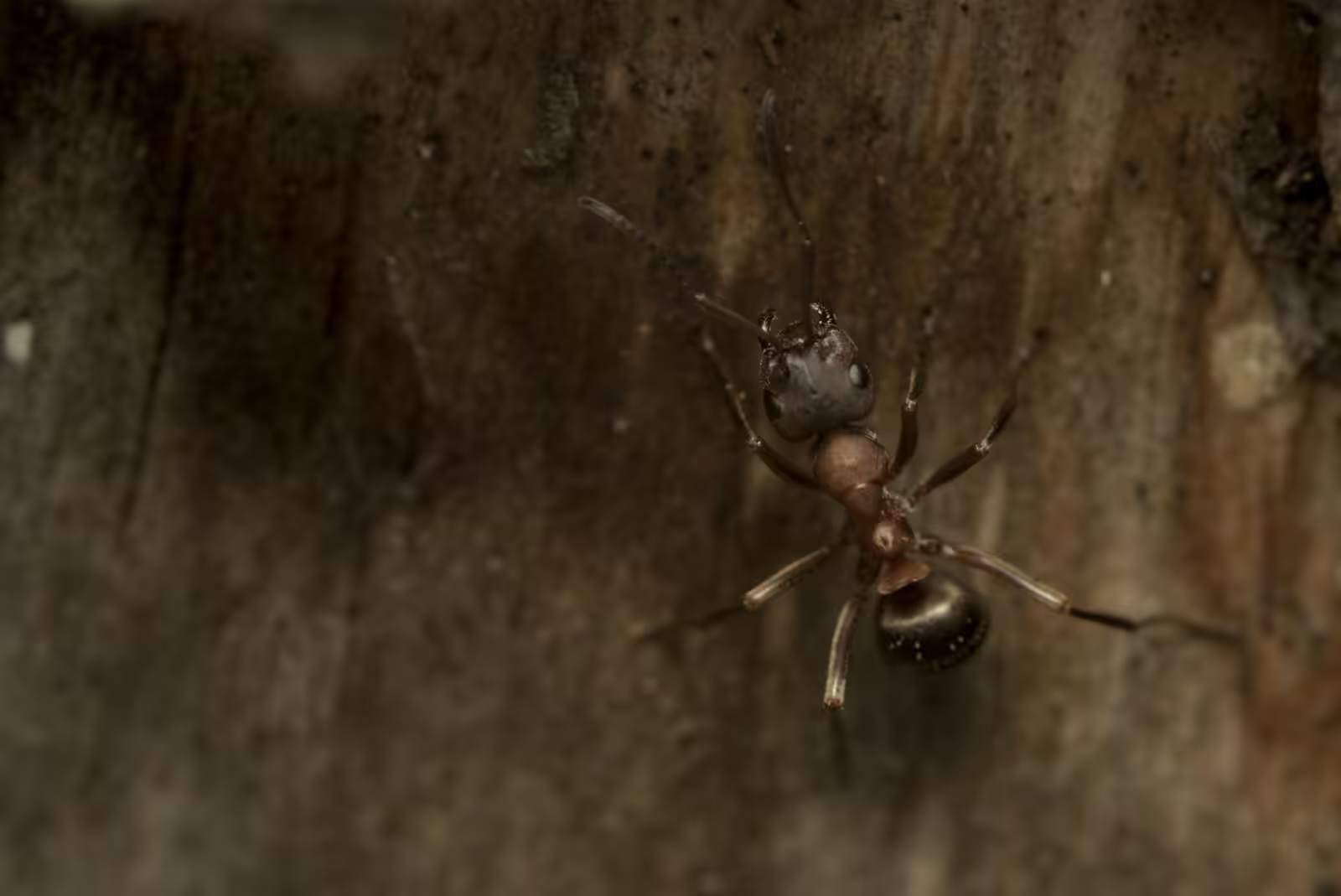
Carpenter ants in Washington are the heavy-hitters among our local pest scene. Unlike termites, they don’t eat wood, but they do chew through it to build their nests. If you see piles of sawdust near wooden structures, it could be a sign you’ve got carpenter ants on your hands.
Why does it matter? Simply put, carpenter ants have expensive taste. They’re known to damage beams, floors, and even walls. If they start setting up shop in your home, they can seriously compromise its integrity.
Pavement Ants
If you spot small brownish-black ants near your foundation or in your driveway, these are probably pavement ants.
True to their name, they nest in cracks in sidewalks and driveways, but unfortunately, they don’t stop there. Pavement ants are expert foragers that often make their way indoors in search of sweet snacks.
Odorous House Ants
These little critters get their name from the rotten coconut smell they release when crushed. Odorous house ants often infiltrate Seattle kitchens, driven by their love for sugary leftovers.
Believe it or not, odorous house ant colonies can contain up to 100,000 workers. That’s like having an entire stadium’s worth of ants living in your home!
How to Get Rid of Ants in Seattle
When ants show up uninvited, it’s tempting to grab a can of spray from the hardware store. But a DIY approach often falls short for getting rid of ants permanently. Here’s what works (and what doesn’t) for lasting results.
Here are some tips that are helpful:
- Identify the source: Ant killers are only effective if you know where the colony is hiding. Follow their trail to find the nest.
- Seal every crack and gap: Repair gaps in windows, doors, and siding to keep ants from re-entering your home.
- Call in the pros: Professional pest control services deploy treatments that not only eliminate existing ants but also prevent future infestations.
…and some you can skip:
- Vinegar sprays or cinnamon barriers. While they might discourage a few ants, they won’t tackle the root of the problem.
- Over-the-counter baits that target workers but ignore the colony.
Sentinel Pest goes beyond quick fixes, addressing the entire infestation to make sure pests don’t return.
Why DIY Ant Control Fails for Persistent Infestations
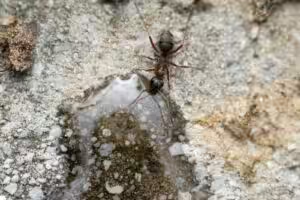
Ever used a DIY solution only to have ants come back a week later? You’re not alone. Persistent infestations happen because DIY tactics focus on immediate results rather than long-term prevention.
For example, killing visible worker ants might seem effective, but that’s only 10% of the population. The rest are hiding safely in the nest, ready to repopulate.
Ant exterminator Seattle services, like those provided by Sentinel, take a broader approach. We eradicate infestations at the source and implement safeguards to keep your home pest-free.
Long-Term Strategies for Preventing Ants
Prevention is always better than extermination. Here’s how you can make your home less inviting to ants in the first place:
- Keep it Clean: Wipe down surfaces, vacuum crumbs, and take out the trash regularly.
- Manage Moisture Problems: Fix leaks and improve ventilation to eliminate damp areas.
- Trim Vegetation:. Keep plants and shrubs away from your foundation to limit ant highway access.
At Sentinel, we also offer year-round pest control plans designed to meet the unique needs of Seattle homeowners. Whether you’re dealing with a current infestation or just want to keep ants at bay, we’ve got your back.
Did You Know?
Ant colonies communicate through scent trails made of pheromones. These trails guide the worker ants to food sources and back to the nest. Destroying or disrupting these trails is one of the first strategies professionals use to manage infestations!
Choose the Best Exterminator in Seattle: Sentinel Pest Control
Dealing with persistent ants is frustrating, but you don’t have to do it alone.
At Sentinel Pest, we’re proud to be trusted by Seattle homeowners to tackle even the toughest infestations. From identifying the colony to sealing entry points, we’ll take care of the problem so you don’t have to lift a finger.
When in doubt, Sentinel Pest is just a call or click away. Contact us now to protect your home year-round!
FAQ
How do I know which type of ants I have in my house?
Look for characteristics like size, color, and location. Carpenter ants are large and often near wood. Pavement ants are small and near foundations.
Can ants really damage my home?
Yes, carpenter ants in Washington can cause structural damage by tunneling through wood to create nests.
How long does professional ant extermination take?
This depends on the size of the infestation, but most cases are resolved within one or two visits.
Are over-the-counter ant sprays effective?
While sprays can kill visible ants, they won’t address the colony hidden in your walls or foundation.
How can I prevent ants from returning after treatment?
Keep food sealed, fix leaks, and schedule routine inspections to maintain an ant-free home.