

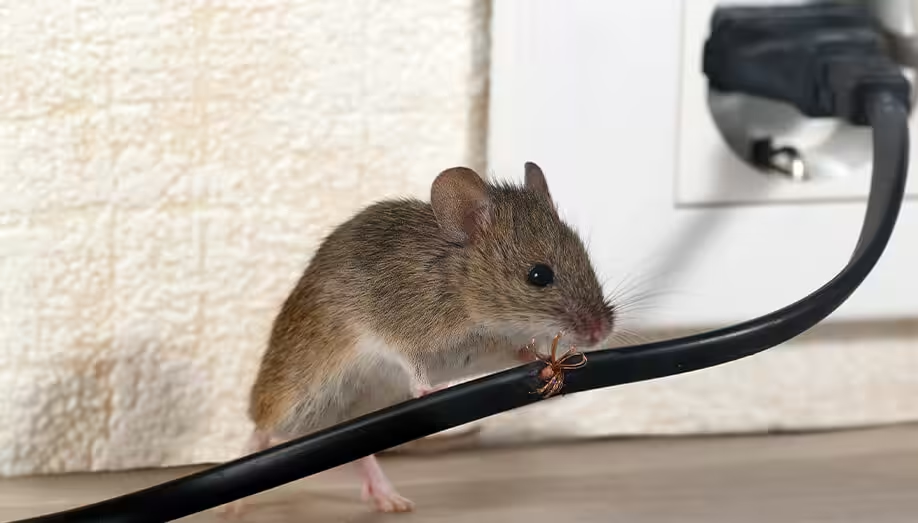
Short answer: yes, rodent exclusion works. When every entry point is sealed with rodent-proof materials and the mice or rats already inside are removed first, exclusion stops new animals from getting in. It fails when gaps are missed, cheap or temporary materials are used, or there is no follow-up to confirm the seals held.
November is one of the busiest months for rodents along the Puget Sound, as the wet Pacific Northwest season drives them indoors looking for warmth. Understanding what exclusion actually does, and where it breaks down, helps you decide whether it is the right investment for your home.
Why Sealing Works Better Long Term Than Trapping Alone
Trapping catches the animals already inside, but it does nothing to stop the next wave. Rodent control works best when it combines trapping, baiting, rodent proofing, and removing conditions that attract rodents. Skipping the proofing step means you are managing a recurring problem rather than solving it.
Cheap fixes follow the same pattern. Products that rely on scent or sound may offer a short-term reprieve, but they often fail to address the root cause of your rodent infestation. Exclusion addresses the root cause directly by closing the doors rodents use to enter.
What a Proper Rodent Exclusion Job Actually Covers
A thorough exclusion job starts with a thorough inspection. The goal of an initial inspection is to identify the type of rodent, which helps determine where to focus efforts, what equipment to use, and what conditions are likely contributing. Entry points can appear in many places around a home.
After identification, the work moves to finding and repairing every rodent entry point. A complete job includes repairing any rodent entry points, installing mechanical traps, and placing bait stations. Exclusion is part of the solution, not a standalone step.
Rodent proofing is also a specialty service offered alongside crawl space and attic restoration for homes where rodents have already caused damage inside the structure.
Common Reasons Rodent Exclusion Fails
The most common failure is an incomplete inspection. If even one gap is missed, rodents will find it. Mice can fit through very small openings, so a thorough inspection of the entire exterior and interior structure is essential before any sealing begins.
Cheap or inadequate materials are another common failure point. Materials that rodents can gnaw through or push aside will not hold. The seal is only as strong as what it is made from.
A third failure: sealing the structure while animals are still inside. Exclusion must be paired with active trapping and removal. If rodents are sealed in rather than out, the problem continues inside the walls.
Finally, no follow-up means no confirmation. A single visit may miss new gaps that open over time as a home settles or materials degrade. Establishing and maintaining effective prevention methods for rodent infestations can be extremely time-consuming, so ongoing attention matters.
How Long Should Rodent Exclusion Last?
How long exclusion holds depends on the quality of the materials used, how thorough the original seal is, and whether you’ve addressed conditions around the home that attract rodents. Removing conducive conditions is listed alongside trapping, baiting, and rodent proofing as one of the four steps to effective rodent removal.
The wet season along the Puget Sound runs from October through April, and November and December are active months for rodents and moisture-loving pests. Homes near the water are especially attractive to rodents seeking shelter. Checking seals annually before the wet season starts is a practical habit for any Puget Sound homeowner.
How to Tell Whether Rodent Exclusion Worked
After exclusion is complete and any animals inside are removed, the signs to watch for are simple: no new droppings, no new sounds of activity in walls or ceilings, and no new gnaw marks. Traps set inside during the process should stop catching animals once the entry points are sealed and the interior population is cleared.
If activity continues after sealing, that clearly signals at least one entry point was missed. A follow-up inspection is needed. Effective rodent control is a collaborative effort between a pest control professional and a home or business owner, and staying in communication after the job is part of that process.
Ready to Book Rodent Exclusion on the Puget Sound?
Sentinel Pest Control offers extensive rodent exclusion as part of its full-service pest management for residential and commercial customers throughout the Puget Sound area, including Tacoma, Federal Way, Seattle, Auburn, and surrounding communities.
The process covers inspection, entry-point repair, trapping, and bait station placement, treating exclusion as part of the solution rather than an afterthought.
Frequently asked questions
Does rodent exclusion work without also trapping the mice inside?
No. Trapping must happen alongside sealing. Exclusion that seals entry points before the animals inside are removed just keeps them trapped in the structure. Effective rodent removal relies on four steps used together: trapping, baiting, rodent-proofing, and removing conducive conditions.
How do I know if exclusion worked?
Look for fewer new droppings, fewer gnaw marks, and less activity. Traps set inside should stop catching animals once entry points are sealed and interior rodents are removed. If activity continues after sealing, at least one gap was missed, and a follow-up inspection is needed.
Does Sentinel Pest Control include exclusion as part of rodent service?
Yes. Sentinel’s process includes a thorough inspection, repairing any rodent entry points, installing mechanical traps, and placing bait stations. Exclusion is part of the solution, not a separate add-on.
If you are dealing with rodents this November in the Puget Sound area, do not wait for the problem to grow. Call Sentinel Pest Control at 253-538-2576 or contact us to schedule service. Call before noon Monday through Friday for same-day availability.
Quick links
Related services
- Rodent Management & Control: Exclusion is one part of a full rodent management plan that also includes inspection, trapping, and bait placement.
- Residential Pest Control: Puget Sound homeowners dealing with rodents often need a broader residential pest control plan to address related issues.
- Pest Control Services: Rodent exclusion pairs with crawl space cleanouts and attic restoration offered as specialty services.