

Step onto a Western Washington back porch in late June and the welcome committee shows up within minutes. Mosquito season here runs longer than most folks realize, and our wet climate keeps populations rebuilding from spring through early fall.
Real backyard mosquito control isn’t a single product or a one-weekend project. It’s a habit. Below, you’ll find what works in Washington yards, what doesn’t, and the point where it makes sense to bring in a pro.
Why Mosquitoes Are Especially Bad in Washington Backyards
Mosquitoes thrive on two things our region serves up year after year: water and shelter. Add temperatures that rarely swing to extremes, and you’ve got a setup that supports steady reproduction from late spring through early fall. A female only needs a few days of standing water to turn eggs into biting adults.
How the PNW Climate Creates Year-Round Breeding Conditions
Most regions get a hard winter that drops mosquito populations to nearly zero. Western Washington doesn’t. Mild, wet winters let eggs survive and adult females overwinter in sheltered spots like sheds and crawl spaces. By the first warm stretch in April, the cycle’s already restarting.
A few patterns in our local climate make the problem worse:
- Rain keeps gutters and planters topped up well into summer
- Shaded yards stay damp for weeks, holding the moisture mosquitoes use for resting and breeding
- Some species shelter in unheated outbuildings through January, ready to lay the moment temperatures climb
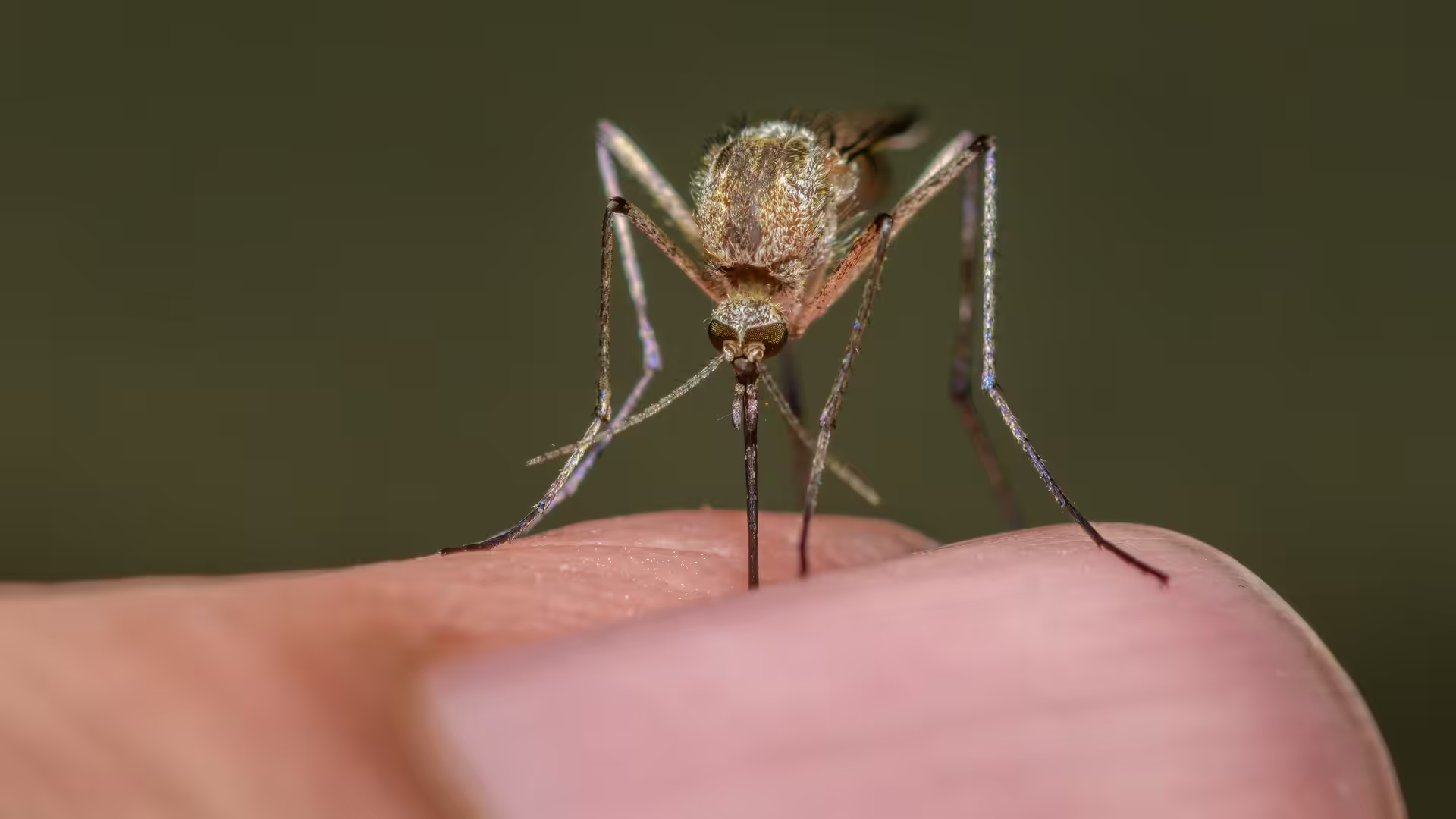
Here’s something worth knowing. Only the females bite. That’s the part of the anatomy of a mosquito to keep in mind, because every piece of a treatment plan tracks back to female behavior. She uses a long proboscis to take the blood meal needed for egg development, and she only needs about a teaspoon of stagnant water to lay a brood.
A single forgotten saucer turns into a real problem within days, and the breeding spots that matter most usually hide in places you walk past without noticing.
How to Get Rid of Mosquitoes in Your Yard
Mosquito control for yard spaces in Washington works in two stages. First, you need to deny breeding spots, then treat the adults already flying. Skip the first part, and you’ll be spraying forever.
Eliminating Standing Water and Breeding Sources
Walk your property once a week and dump anything holding water. A bottle cap can hold enough for a brood, so don’t dismiss the small stuff. Pay attention to the spots that collect water without you realizing it:
- Gutters that haven’t been cleared since fall, especially the corners where leaves pack tightly
- Plant saucers under outdoor pots, which stay wet for days after a single watering
- Tarps slumping over a boat or woodpile, where rain pools in the folds
- Kids’ toys left in the grass after a wet weekend
- Rain barrels and ornamental ponds without mosquito dunks added
For standing water you can’t drain, mosquito dunks do the work. They contain BTI, a soil-derived bacterium that kills larvae but leaves everything else alone. That makes them a fit for natural mosquito control yard plans, including around features that pets drink from.
Yard Sprays, Natural Options, and What Actually Works
Adult mosquitoes spend most of their day resting in cool, shaded vegetation. That’s where any mosquito control yard spray needs to land. Spraying an open lawn accomplishes very little.
Natural alternatives have real limits, but a few are worth keeping in the rotation:
- Garlic-based sprays repel adults for roughly two weeks under dry conditions
- Cedar oil kills on contact, useful for tick and mosquito yard treatment when you want to cover both pests at once
- Repellent plants like lavender and rosemary help around seating areas, though they won’t clear a yard on their own
Lighting plays a smaller role than people assume, but it still matters. Certain species drift toward porch lights at dusk, and warm-toned LEDs cut down on the cluster at the door. If you’re planning new outdoor fixtures, it’s a great idea to know how mosquitoes respond to different lights.
Likewise, knowing when to spray for mosquitoes matters as much as what you use. The best window is early morning or late evening on a calm day, when adults rest in foliage and the air isn’t pushing product off-target. Skip windy afternoons. Spraying right before rain wastes the application, since the chemical needs dry time to bind.
When Professional Mosquito Control Makes the Difference
DIY work only goes so far in our climate. If you’ve cleared standing water, treated shaded vegetation, and you’re still getting bitten on your own deck, the source is past your property line. Neighboring yards or wetland areas a few hundred feet away can keep pushing adults onto your space faster than you can treat.
A professional mosquito yard spray uses longer-lasting formulations and targets resting zones most homeowners miss. A typical yard mosquito treatment plan looks like this:
- Walking the property to map breeding sites and adult resting areas
- Spray applied to shaded vegetation and the underside of leaves where mosquitoes spend the day
- Water features that can’t be drained get a larvicide treatment
- Return visits scheduled through the active season, so populations don’t rebuild between visits
Heavier infestations across the South Sound benefit from this kind of layered approach. The way our team handled a mosquito issue near Puyallup shows how staged treatment outperforms one-off sprays.
For homeowners wanting broader seasonal coverage, our pest control services handle the full range of pests Western Washington throws at you.
Tired of Mosquitoes Taking Over Your Yard? Sentinel Pest Control Can Help
You shouldn’t have to plan dinner around bug spray. We help homeowners across Western Washington figure out how to keep mosquitoes away from yard spaces using approaches built for our climate, not pulled from a generic playbook. Reach out to Sentinel Pest Control and we’ll walk your property with you.